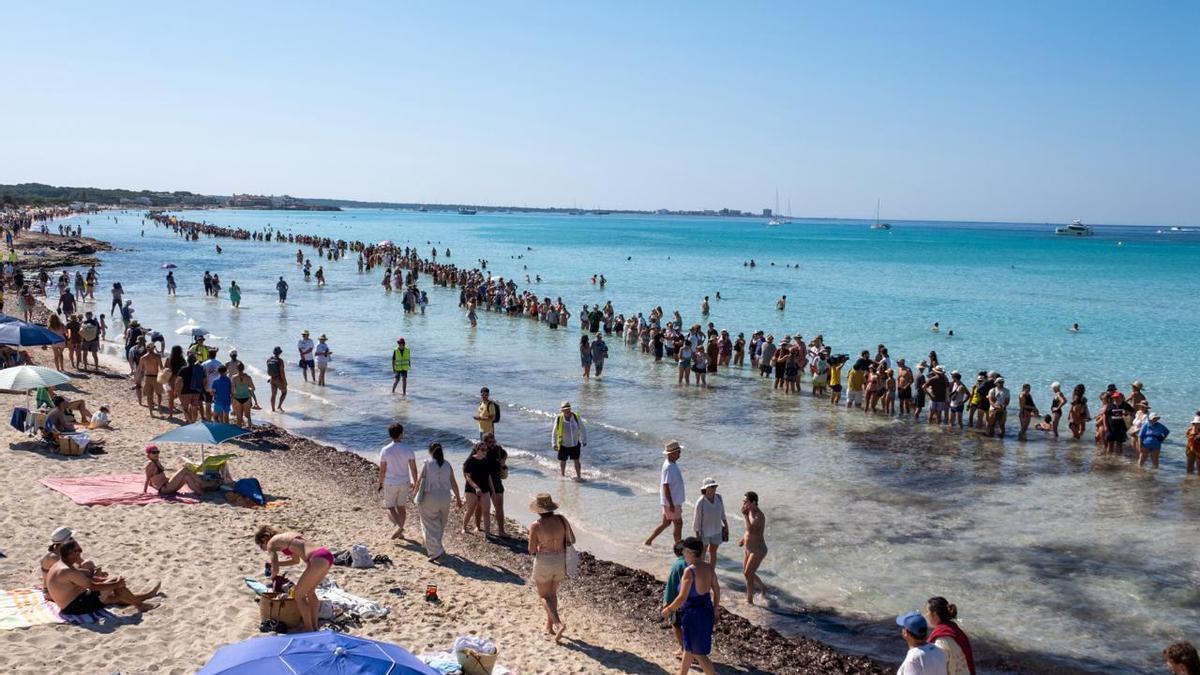


Thousands Form Human Chain to Protect Mallorca Beach
The Protest at Es Trenc
On a sunny Sunday, about 10,000 people gathered on the sands of Es Trenc, a protected nature reserve in southern Mallorca. Standing shoulder‑to‑shoulder, they stretched a human chain more than three kilometres long, from Club Nautic de sa Rapita to Ses Covetes. Participants held signs that read “Hands off” and “A Magaluf in the south of the island – that’s what they want,” sending a clear message against uncontrolled development.
Why Activists Are Concerned
The demonstration was organised by three local groups—Gob Mallorca, Terraferida, and Menys Turisme Mes Vida—in response to a proposed Balearic government law aimed at accelerating strategic projects. Critics argue the law would let developers bypass parliamentary approval, needing only a government green light to build in sensitive areas. This could open the door to beach bars, car parks, hotels, and other tourist facilities inside reserves like Es Trenc, threatening the fragile ecosystems that make the beach a haven for wildlife and quiet recreation.
Government’s Response
Officials from the Balearic government maintain that Es Trenc’s protected status will remain intact under the new legislation. They say the law is designed to streamline necessary infrastructure while still respecting environmental safeguards. Nonetheless, protesters remain skeptical, fearing that loopholes could erode the reserve’s protections over time.
Broader Anti‑Tourism Campaign
The human chain is part of the larger “Mallorca al Límite” initiative, which calls for stricter limits on tourism growth and stronger defenses for the island’s natural landscapes. Earlier in June, Menys Turisme Mes Vida announced an anti‑tourism march through Palma set for July 26. In the same month, vandals targeted five international estate agencies in Santa Maria del Cami, smashing windows and spraying graffiti—a sign of growing frustration over rising housing costs linked to the tourism boom.
What This Means for Locals
Many residents argue that Mallorca has turned into a “theme park,” where soaring rents and property prices push young people out of the market. Activists blame the island’s status as one of Europe’s top holiday destinations for the affordability crisis. By limiting further construction in protected zones, they hope to preserve both the environment and the possibility of affordable, sustainable living for Mallorcan families.
Conclusion
The massive human chain at Es Trenc highlights a growing tension between tourism development and environmental conservation on Mallorca. While the government insists protections will stay, thousands of locals are demanding clearer limits to safeguard the island’s beaches, nature reserves, and quality of life. The outcome of this debate will shape whether Mallorca can balance its appeal as a vacation hotspot with the needs of its permanent residents.
Source
Images Credit: www.theolivepress.es