

The Panic of 1898: When Mallorca Braced for an American Invasion That Never Came
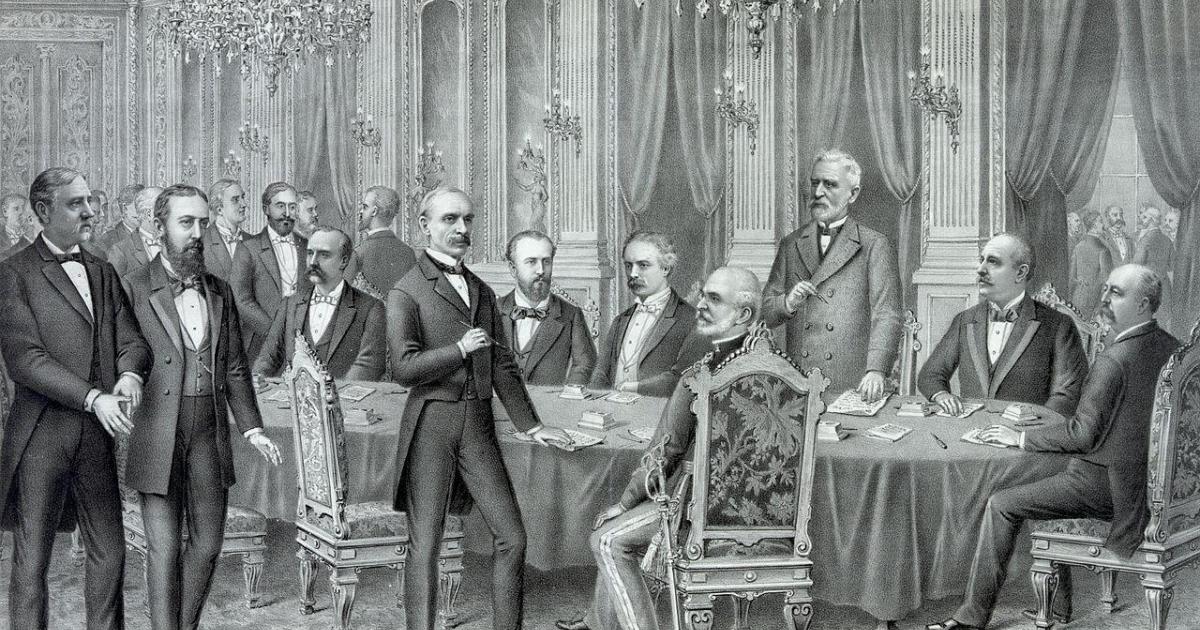
Contemporary illustration depicting naval conflicts during the Spanish-American War
The Perfect Storm: Spain’s Collapsing Empire and Media Sensationalism
1898 marked a devastating turning point for Spain’s colonial empire. After nearly four centuries of global influence dating back to Columbus, the Spanish-American War resulted in the loss of Cuba, Puerto Rico, Guam, and the Philippines within months. While President McKinley initially resisted calls for war, sensationalized reports in William Randolph Hearst’s “yellow press” inflamed American public opinion with exaggerated accounts of Spanish atrocities in Cuba. Modern historians like Ivan Musicant (Empire by Default, 1998) note that at least 60% of these reports qualified as what we’d now call fake news.
The Spark That Ignited Panic: USS Maine Explosion
On February 15, 1898, the USS Maine battleship mysteriously exploded in Havana Harbor, killing 266 sailors. As noted in the U.S. Naval Historical Center archives, five separate investigations between 1898-1976 ultimately concluded an internal coal bunker fire caused the disaster – not Spanish sabotage as newspapers claimed. Despite this evidence, the incident became the catalyst for war declarations by April.

The USS Maine in Havana Harbor weeks before its destruction
Mediterranean Invasion Fears Reach Mallorca
As war intensified in the Caribbean, unfounded reports in French newspapers warned of American naval movements toward Spanish Mediterranean territories. By May 1898, Balearic Islands Captain General Rosendo Moiño declared a state of war emergency, activating these key military measures:
- Deployment of 170 Spanish Army regulars to Mallorca
- Artillery placements along Palma’s Renaissance walls
- Military control of all maritime activity
The Great Trench Digging of Palma
Following Spain’s catastrophic naval defeat at Santiago de Cuba (July 3, 1898), panic peaked in Mallorca. On July 12, Palma’s La Ultima Hora newspaper reported seven U.S. warships approaching the island – a claim based on unverified fisherman accounts. Palma’s response became legendary:
- Citizens fled to inland villages
- Emergency trenches dug at La Lonja harborfront
- Field hospitals established in converted monasteries
- Complete ban on civilian boat traffic

La Lonja in Palma where emergency trenches were dug during 1898 war scare
The Psychological Impact of Phantom Warships
For 36 tense days, Mallorcans prepared for invasion. General José Barraquer toured villages urging citizens to “show courage against Yankee aggression,” while Palma Mayor Eugeni Losada organized patriotic demonstrations. Yet as Dr. Antoni Marimon (University of Balearic Islands) observes in his 2012 study, “1898: La Guerra Que No Llegó“:
“The complete absence of U.S. Mediterranean fleet deployments in naval archives confirms this was mass hysteria fueled by media sensationalism and geopolitical ignorance.”
Aftermath and Historical Legacy
The August 12, 1898 peace protocol formally ended hostilities, with Balearic military alertness continuing until August 26. This episode left enduring impacts:
- First major test of Spain’s modern coastal defense systems
- Revealed vulnerabilities in colonial-era communications
- Created lasting folk traditions about “American ghosts” in coastal towns
Today, historians recognize the 1898 Mallorca panic as an early case study in media-driven mass hysteria – one that predates modern concepts of fake news by nearly a century. The trenches at La Lonja were quietly filled by November 1898, but the psychological scars shaped Balearic attitudes toward mainland Spain for generations.
For further reading on this fascinating episode, visit the original research at Majorca Daily Bulletin.
Images Credit: www.majorcadailybulletin.com