

Balearic Islands Experience Hottest Marine Year on Record as Mediterranean Warming Accelerates
The Balearic Islands faced unprecedented marine warmth in 2025 according to new findings from the Coastal Observation System of the Balearic Islands (SOCIB). Their annual report reveals sea surface temperatures reached historic highs, exceeding historical averages by up to 6.5°C in some Mediterranean sectors, with marine heatwaves persisting for 190 cumulative days across the basin.
Scientific Monitoring Reveals Alarming Trends
SOCIB’s research team, led by scientist Mélanie Juza, combined multiple technologies to document these changes:
- Satellite observations: Copernicus program data provided basin-wide temperature mapping
- Coastal buoys: Recorded real-time measurements near shorelines
- Underwater gliders: Collected subsurface data at varying depths
- Autonomous profiling floats: Monitored open-water conditions continuously
This multi-platform approach enabled comprehensive tracking of Mediterranean temperature anomalies, salinity changes, and sea level rise – now accelerating to 3.4 cm per decade since 1993.
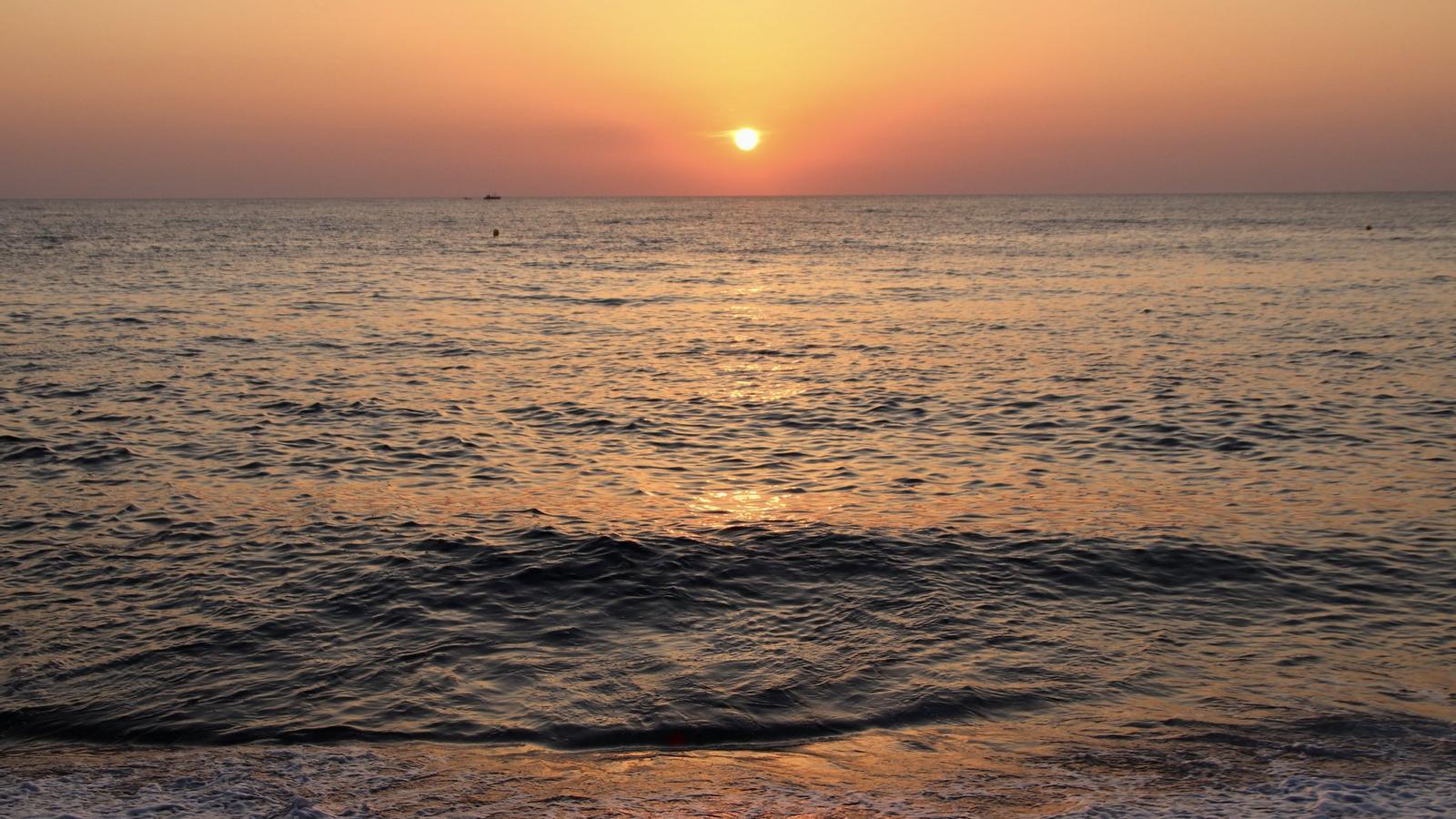
The Mediterranean Sea reached historic temperatures in 2025.
Extreme Marine Heatwave Events
2025 witnessed exceptional thermal conditions exceeding the 90th percentile threshold for marine heatwaves:
- Peak anomalies: Coastal zones near France’s Gulf of Lion hit 8°C above normal
- Balearic extremes: Regional waters reached 28.4°C, with coastal areas nearing 31°C
- Duration: Some Mediterranean sectors experienced heatwave conditions for over half the year
Global Context of Mediterranean Warming
The Mediterranean’s 0.4°C per decade warming rate since 1982 outpaces global ocean trends. This acceleration aligns with the broader climate pattern marking 2023-2025 as the first three-year period exceeding 1.5°C above pre-industrial levels globally.
Ecological and Economic Consequences
SOCIB researchers emphasize cascading impacts from persistent marine warming:
- Ecosystem stress: Posidonia seagrass meadows – crucial carbon sinks and fish nurseries – face mortality risks at sustained temperatures above 28°C
- Fisheries disruption: Species migration patterns alter as thermal habitats shift
- Coastal risks: Warmer waters amplify storm intensity while accelerating sea-level rise threatens infrastructure
- Tourism impacts: Prolonged heat affects marine activities and accelerates jellyfish blooms
Urgent Need for Climate Response
“The Mediterranean has become a climate change hotspot,” explains Juza. “Our monitoring shows coastal communities need immediate adaptation planning alongside global mitigation efforts.”
As ocean warming trends continue, SOCIB stresses the importance of sustained observation systems to inform policy decisions regarding marine protected areas, fisheries management, and coastal resilience strategies.
Source: Data and analysis from SOCIB Annual Report 2025: Global Warming Impacts in the Mediterranean Sea and Balearic Islands Region
Images Credit: noticiasambientales.com