

Unexpected Nest: Peregrine Falcons on a Madrid Hospital Roof
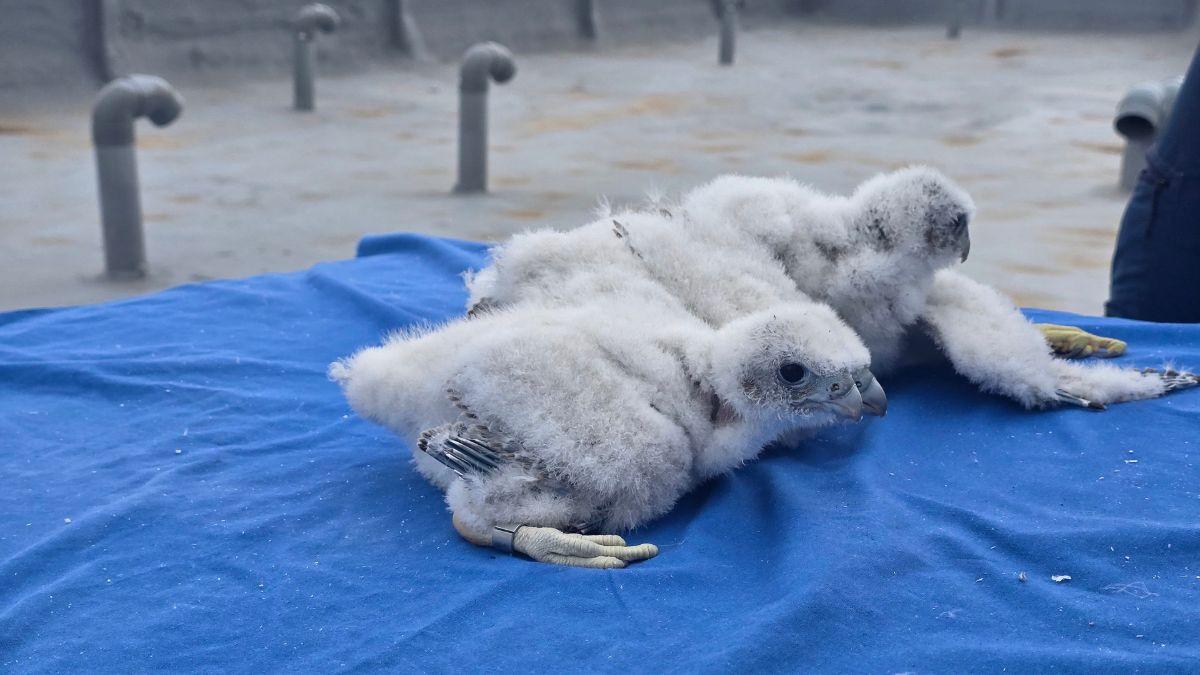
It looks like a scene from a nature documentary, but three fluffy peregrine falcon chicks are actually living on the roof of the 12 de Octubre University Hospital in Madrid. The birds have chosen this urban spot for the second year in a row, showing how adaptable these speedy raptors can be.
Who Are the New Residents?
The hospital’s breeding pair welcomed three chicks this season: one female weighing 680 grams and two males at 458 grams and 500 grams. Experts from the Urban Halcones Association and Brinzal organization have ringed the babies and are monitoring their health. The parents are the same couple that successfully raised chicks here in 2023; both were born in Madrid’s urban environment in 2020.
Why a Hospital Roof?
To a peregrine falcon, a tall building mimics the cliff ledges they naturally use for nesting. The hospital’s “Blue Building” offers:
- Great height, keeping the nest safe from ground predators.
- A steady supply of prey—pigeons, starlings, parakeets and other birds that flock to nearby parks.
These factors make the rooftop an ideal urban substitute for a wild cliff.
A Comeback Story
Peregrine falcons once faced a steep decline. In the 1950s and 1960s the pesticide DDT weakened their eggshells, causing populations to crash across Europe and North America. After DDT was banned and conservation efforts took hold, the species rebounded. Today the International Union for Conservation of Nature lists the peregrine falcon as “Least Concern,” though it remains protected by law.
In cities, these falcons provide a natural pest‑control service. They hunt almost exclusively other birds caught in flight, helping keep pigeon and starling numbers in check without resorting to chemicals or traps.
Madrid’s Growing Falcon Community
Over the past few years, peregrine falcons have been spotted nesting on several iconic Madrid structures—church towers, government buildings, and now the 12 de Octubre Hospital. Similar trends appear in Barcelona, London, Paris, Berlin and New York. Scientists study these urban colonies to see how wildlife can adapt when natural habitats shrink.
The successful third breeding season at the hospital confirms that this location has become one of the capital’s most reliable urban territories for the species.
What This Means for Urban Nature
The arrival of three falcon chicks on a hospital roof is more than a cute headline. It shows that:
- Wildlife can thrive alongside humans when we unintentionally create suitable habitats.
- Top predators like the peregrine falcon help balance city ecosystems.
- Conservation efforts—such as banning harmful chemicals and protecting nesting sites—pay off.
Seeing these fastest‑on‑the‑planet birds raise a family in the middle of Madrid reminds us that nature often finds a way, even in the most unexpected places.
For more details, visit the original article: Source
Images Credit: expertoanimal.elperiodico.com