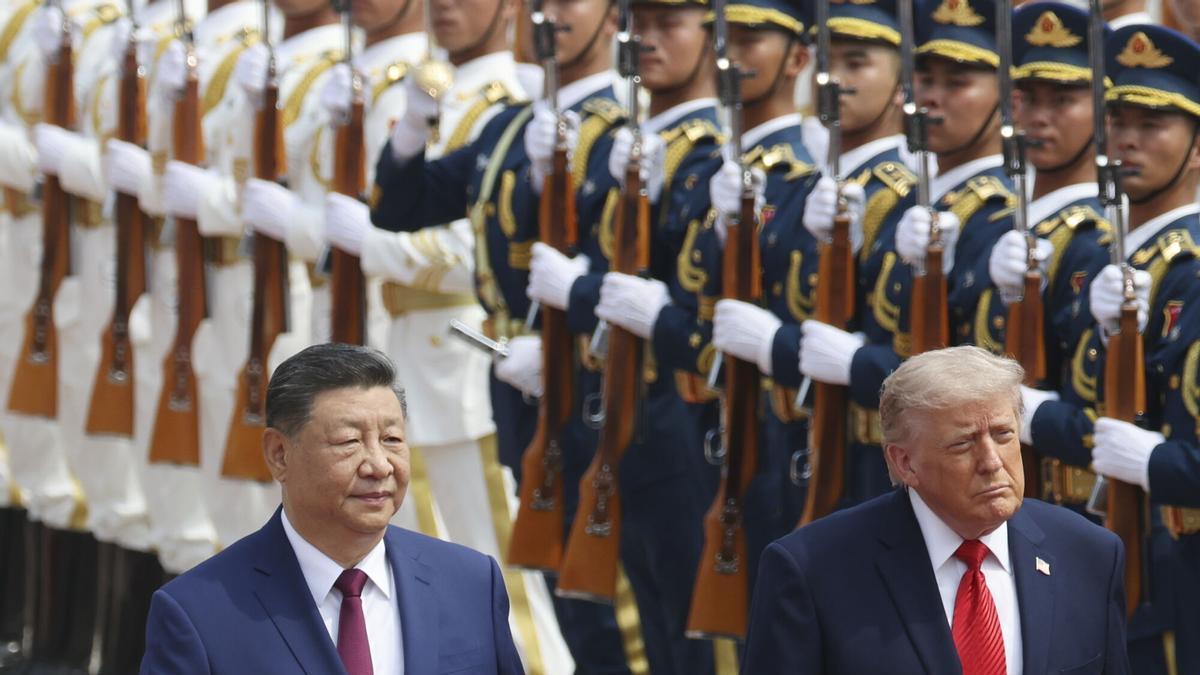


The AI Race: USA vs China
DeepSeek’s Surprise
In January 2025 a little‑known company from Hangzhou called DeepSeek released an AI model that matched the power of OpenAI, Google and Anthropic’s systems—yet it cost far less to build. The breakthrough shocked Silicon Valley, which called the moment its “Sputnik moment,” echoing the shock the Soviet Union felt when the U.S. launched its first satellite.
Why the United States Leads
Private‑Sector Power
The U.S. AI ecosystem thrives on venture capital. In 2025 alone, American AI firms attracted $285 billion in private investment—23 times more than China. That money funded nearly 2,000 generative‑AI startups and helped build the world’s largest network of data centers (over 5,400 facilities).
Alliances and Resources
With deep pockets, U.S. companies can buy the latest chips, secure cheap energy, and partner with giants like Microsoft, Nvidia and Amazon. These advantages let them train the biggest models and keep the infrastructure running.
China’s Alternative Strategy
State‑Driven Investment
Beijing relies heavily on government funding. Between 2000 and 2023 the state poured about $184 billion into AI, and a new plan aims to spend almost $300 billion on a nationwide data‑center network.
Patents and Production
China now holds 74 % of global AI patents—a lead it has kept since 2017. The country also dominates manufacturing: in 2024 it operated 295 million industrial robots, more than half of the world’s total.
Global Imbalance
Because almost all cutting‑edge AI comes from the U.S. and China, most other nations depend on these two powers for technology, chips, minerals and energy. This dependence can leave middle‑income countries vulnerable to job shifts and social changes without sharing in the profits.
What This Means for Teens
The AI race shapes the apps you use, the games you play, and even the jobs that will exist when you graduate. Understanding who is leading and why helps you see where opportunities—and challenges—might appear in the future.
Stay Informed
Follow tech news, try coding basics, and think about how AI could affect your interests, whether that’s music, sports, or the environment.
Conclusion
The competition between the United States and China over artificial intelligence is more than a battle of companies; it’s a clash of economic models, government policies, and global influence. While the U.S. leans on private capital and a vast ecosystem of partners, China combines state funding with massive manufacturing strength. The outcome will shape technology, jobs, and everyday life for everyone—including the next generation.
Images Credit: www.diariodeibiza.es