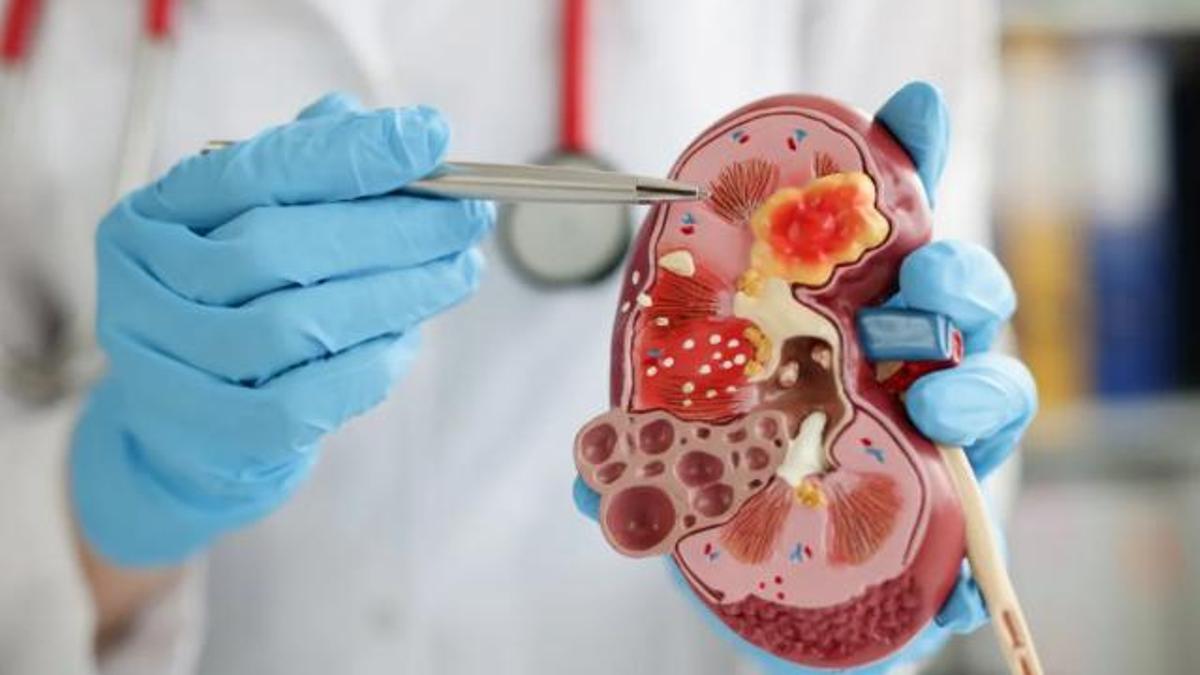


Kidney Cancer: What Teens Should Know
Why It’s Often Missed
Kidney cancer is the eighth most common tumor in Spain, with more than 9,000 new cases diagnosed each year. A major challenge is that the disease can grow silently for months or even years without causing obvious warning signs. Many tumors are found by accident during ultrasounds or CT scans done for unrelated reasons.
Symptoms That May Go Unnoticed
The classic triad—blood in the urine, flank pain, and a palpable abdominal mass—appears in only a minority of patients today. More frequently, people experience non‑specific signs such as:
- Persistent fatigue
- Unexplained weight loss
- Anemia (low red‑blood‑cell count)
- Low‑grade fever
- Mild back discomfort that feels like a muscle ache
Because these symptoms overlap with common, everyday issues, they are often ignored or attributed to stress, sports injuries, or minor illnesses. If any of these changes linger for more than a couple of weeks, it’s wise to see a healthcare provider.
Who Is at Higher Risk?
Several factors increase the chance of developing kidney cancer:
- Smoking – the leading modifiable risk
- Obesity and high blood pressure
- Chronic kidney disease
- Family history or inherited syndromes (e.g., von Hippel‑Lindau disease)
Adopting healthy habits—quitting smoking, maintaining a balanced diet, staying active, and managing weight and blood pressure—can lower risk significantly.
Advances in Treatment
Just a decade ago, options for advanced kidney cancer were limited. Today, immunotherapy, targeted drugs, and their combinations have transformed outcomes. Many patients with metastatic disease now enjoy good quality of life for years, something that was rare before.
Researchers are refining drug combinations, exploring peri‑operative therapies (given before or after surgery), and using molecular profiling, artificial intelligence, and precision medicine to tailor treatment to each individual’s tumor biology and personal preferences.
Living With Kidney Cancer Today
Modern oncology views kidney cancer increasingly as a chronic condition that can be controlled for extended periods. The focus has shifted from merely extending survival to preserving overall well‑being—physical function, emotional health, and active participation in care decisions.
Take‑away Message
- Kidney cancer often hides without clear symptoms.
- Pay attention to lingering fatigue, weight loss, anemia, or unexplained back pain.
- Reduce risk by avoiding smoking, staying at a healthy weight, and controlling blood pressure.
- If diagnosed, today’s therapies offer many patients long‑term disease control and a good quality of life.
Reference: Source
Images Credit: www.diariodeibiza.es