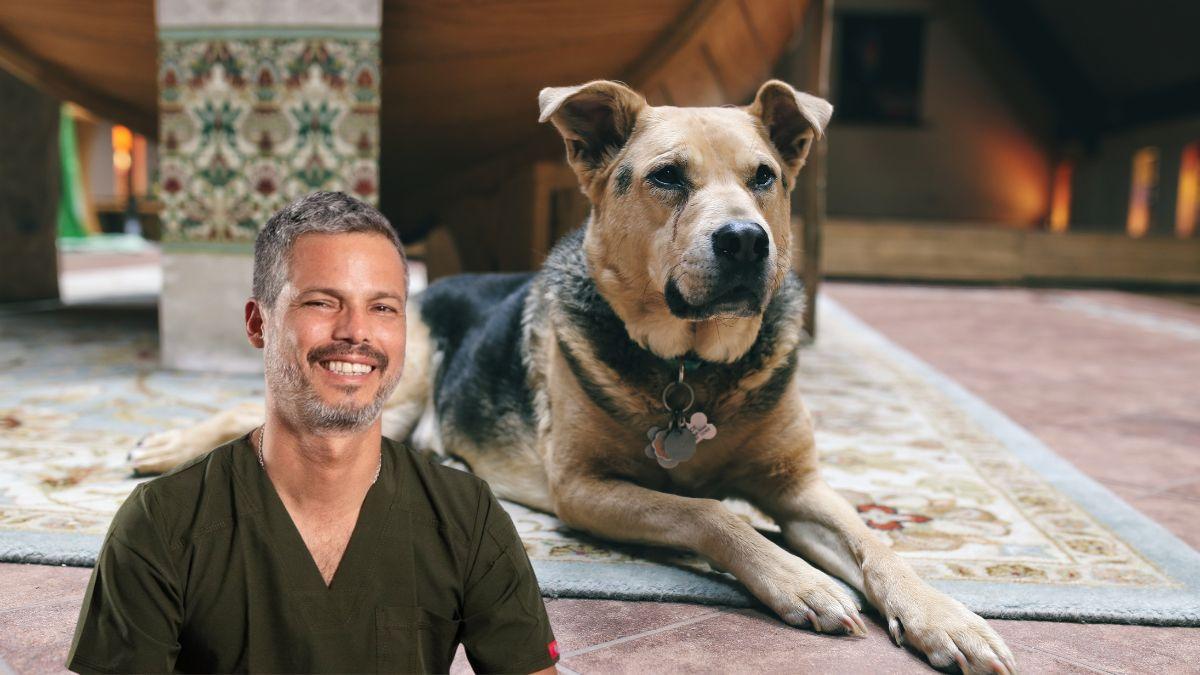


What’s Going on in an Old Dog’s Brain?
When a senior dog starts staring at walls, seems lost in the house, or stops obeying commands it once knew, many owners chalk it up to “just getting old.” Veterinarians who specialize in aging pets warn that these changes can be signs of canine cognitive dysfunction syndrome—a condition that shares some features with human dementia.
Signs to Watch For
Disorientation and Getting Lost
Dogs may wander aimlessly in familiar rooms, stare at empty spaces, or have trouble finding their bed or food bowl.
Forgetting Routines
They might forget where to go to the bathroom, miss regular walk times, or not respond to cues they’ve known for years.
Sleep Changes
Sleeping more during the day and being restless or awake at night is common.
Less Interest in Social Stuff
A once‑social pup may avoid family members, show reduced enthusiasm for play, or seem indifferent to affection.
Why It’s Not Just “Old Age”
Behavioral shifts shouldn’t be dismissed as inevitable. Similar symptoms can also stem from thyroid problems, kidney disease, vision or hearing loss, or other neurological issues. That’s why a vet check‑up is essential.
How Vets Diagnose
A veterinarian will ask about the dog’s history, perform a physical exam, and may run blood tests or imaging to rule out other conditions. If no other cause is found, they’ll look for the pattern of cognitive signs described above.
Ways to Help Your Senior Dog
Keep a Steady Routine
Regular feeding, walking, and bedtime schedules help reduce confusion.
Brain Games and Sniffing Fun
Simple puzzle toys, scent‑tracking games, and short training sessions keep the mind active.
Food That Supports the Brain
Senior‑specific diets often contain antioxidants, omega‑3 fatty acids, and other nutrients that may support brain health.
Keep the Home Layout Simple
Avoid moving furniture or making big changes to the environment; a familiar layout lowers stress and disorientation.
When to See a Vet
If you notice any of the signs mentioned—especially if they appear suddenly or worsen—schedule a veterinary visit. Early detection lets you start supportive care sooner, which can slow progression and improve your dog’s quality of life.
Bottom Line: Quality of Life Matters
Canine cognitive dysfunction syndrome isn’t a rare quirk of aging; it’s a real medical condition that deserves attention. By recognizing the signs, working with a vet, and providing a stable, stimulating environment, you can help your older dog stay comfortable, engaged, and happy for as long as possible.
Reference: Source
Images Credit: expertoanimal.elperiodico.com