

What’s Happening in Palma?
A fierce heatwave is sweeping Western Europe, and Palma’s Pere Garau neighbourhood is feeling the heat like never before. Volunteers walked the streets with parasols to show support for residents who are losing shade as trees are cut down and not replaced.
Why the Heat Feels Unbearable
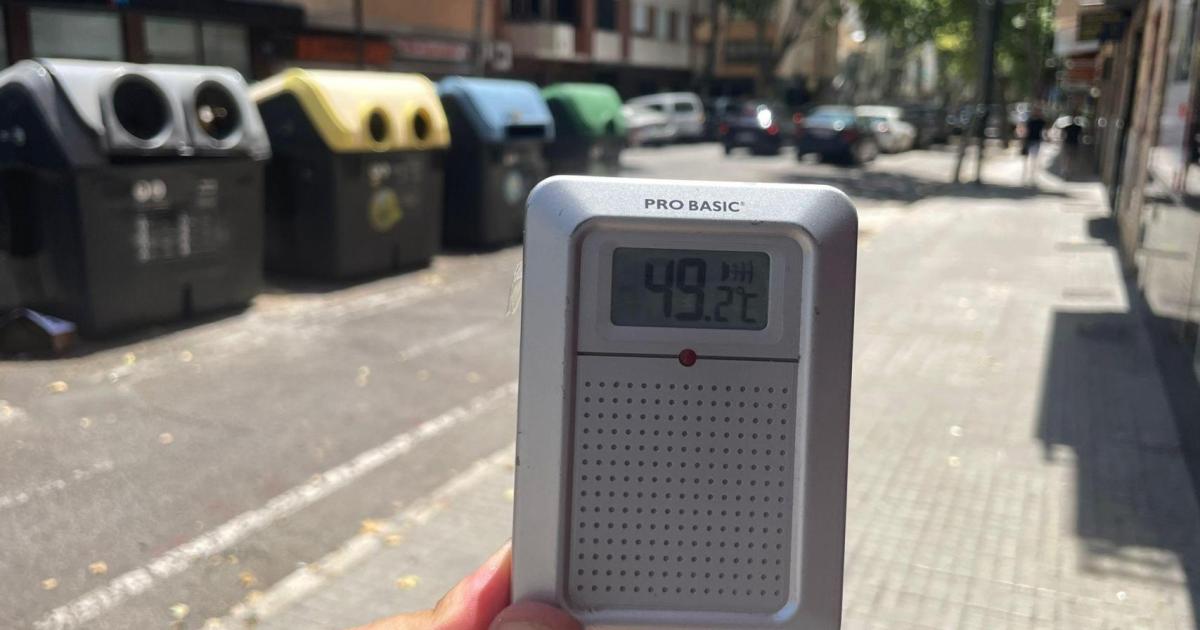
- Record‑high temps: In nearby Torcuato Luca de Tena, the thermometer hit 49 °C at midday.
- Treeless streets: With mature trees removed and their pits sealed in concrete, the area has become an “asphalt oven.”
- High density, low green space: Pere Garau has the most people per square metre in Palma but the fewest parks and shaded spots, making hot days dangerous for kids and seniors.
Community Action: Pere Garau Saludable
The local group Pere Garau Saludable sounded the alarm:
- They call the tree‑removal policy a “facts on the ground” approach that is wiping out the last shaded corners.
- Volunteers and residents marched with parasols to demand a green corridor plan—a network of new trees and green spaces along the streets to cool the area naturally.
Understanding the Omega Block
The heatwave is being locked in place by a weather pattern called an omega block (named for the Greek letter Ω).
- How it works: A bulge of warm, high‑pressure air gets stuck between two cooler low‑pressure systems.
- Effect: Normal west‑to‑east jet stream flow is disrupted, causing the hot air to linger over the same spot for days or even weeks.
- Result: Clear skies, intense sunshine, and temperatures that keep climbing—exactly what we’re seeing in France and Spain.
Climate Change Connection
Scientists are still studying whether omega blocks are happening more often because of climate change, but there is clear evidence that:
- Global warming has raised Earth’s average temperature by about 1.3 °C since pre‑industrial times.
- Heatwaves are now 2 – 4 °C hotter than they would be without human‑caused warming.
- When an omega block occurs, the already‑warmer background makes the heat even more extreme.
What Residents Want
Pere Garau Saludable proposes:
- Plant new trees along main roads and replace concrete pits with soil.
- Create shaded walkways using pergolas or climbing vines where planting isn’t possible.
- Involve schools and local businesses in caring for the new green spaces.
- Monitor temperature before and after the changes to prove the cooling effect.
Conclusion
The combination of an omega block, rising baseline temperatures, and the loss of urban greenery is turning Pere Garau into a dangerously hot zone. By listening to residents, replanting trees, and designing green corridors, Palma can turn those scorching streets back into livable, shaded neighbourhoods—protecting everyone, especially the young and old, from deadly heat.
Images Credit: www.majorcadailybulletin.com