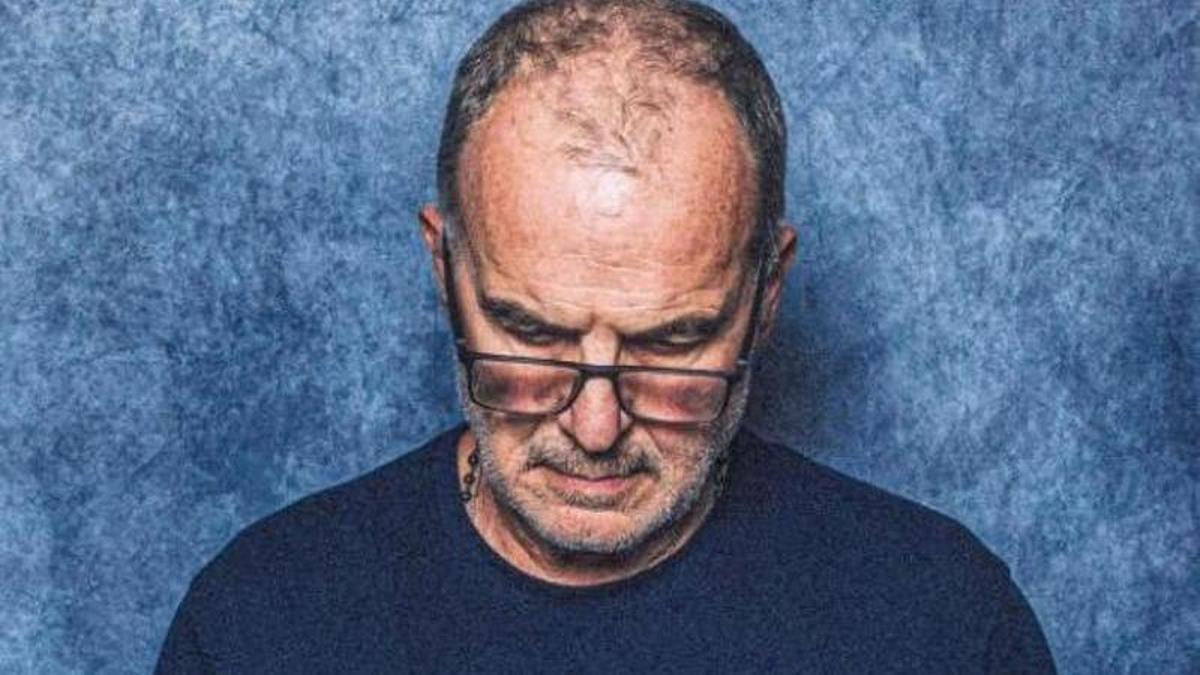


Marcelo Bielsa and the Uruguayan Adventure
Who is Marcelo Bielsa?
Marcelo Bielsa, nicknamed “El Loco” (The Crazy), is a 70‑year‑old Argentine coach known for his intense work ethic and strong principles. He has influenced many coaches across South America, including Sebastián Beccacece (Ecuador), Gustavo Alfaro (Paraguay), Mauricio Pochettino (United States) and Lionel Scaloni (Argentina). Even Néstor Lorenzo, who now leads Colombia in the United States, looks up to him.
The “Ladies’ Table” Talk in Rosario
In the historic Café Cairo of Rosario, where writer Roberto Fontanarrosa once gathered friends around a soccer ball, the current chatter at the “ladies’ table” focuses more on Bielsa’s unconventional methods with Uruguay than on Argentina’s decision to keep Lautaro Martínez instead of recalling Julián Álvarez. The café is a meeting point for notable figures from Santa Fe province, especially during World Cup weeks.
Bielsa’s Fight Against Football’s Commercialization
Bielsa despises the modern turn of football into a business spectacle. He once said:
“Football was popular because the poor were happy to play with a ball. When football became a dishonest business, that was when the wealthy classes saw an opportunity in it, and since then it no longer belongs to the poor.”
Because of this belief, he refused to take part in what he calls “the circus that Infantino and Donald Trump have created in the United States.” For the Uruguayan squad, he chose to base the team in Playa del Carmen, Mexico, only stepping onto U.S. soil for actual matches. This decision was a direct protest against the commercialized atmosphere of American stadiums.
Staying in Playa del Carmen
Living in Playa del Carmen meant the players had to travel longer distances for games, creating logistical challenges. Bielsa also dislikes certain modern conveniences, such as mandatory hydration breaks and playing on grass that isn’t suited for football. When FIFA’s official photographers asked him to smile for the camera, he replied, “I’m not a model,” reinforcing his stance against being turned into a marketing image.
Mixed Results and Criticism
The Uruguayan team’s early fixtures under Bielsa ended in draws: a 1‑1 tie with Saudi Arabia and a 2‑2 stalemate against Cape Verde. Those results left Uruguay needing a win over their next opponent to advance. The draw against Cape Verde sparked harsh reactions. Uruguay’s El Observador ran the headline “Uruguay was the branch of hell,” describing a collapsed illusion. Some Argentine journalists went further, calling Bielsa “more than crazy, an idiot with tantrums like a boy in a Che Guevara t‑shirt.”
The Sisyphus of Football
After the Cape Verde match, Bielsa admitted the team looked disorganized and acknowledged his responsibility for the limited points earned. He likened his coaching style to the myth of Sisyphus—constantly pushing a boulder uphill, only to watch it roll back down. He said:
“I only see the mistake, I am never satisfied with anything. That behavior is based on fear—I fear losing much more than I enjoy winning.”
This relentless intensity has produced brilliant periods (notable wins over Brazil and Argentina in 2023) but also strained relationships with players over time, as the constant pressure wears them down.
What Lies Ahead?
Despite the criticism, Bielsa remains convinced that Uruguay can rise to the occasion, especially in the upcoming clash with Spain. He urges the squad to play with necessity and obligation, believing that a victory is still possible. The Poor Clare sisters of Getxo continue to pray for him, but Bielsa knows that faith alone won’t be enough—he will need tactical adjustments and player buy‑in to turn the tide.
Conclusion
Marcelo Bielsa’s stay with Uruguay showcases a coach who clings to his ideals even when they clash with modern football’s demands. His protest against commercialization, unconventional base choice, and uncompromising style have sparked both admiration and frustration. Whether his methods will lead Uruguay to success in the World Cup remains uncertain, but one thing is clear: Bielsa will keep fighting for the game he loves, on his own terms.
Source: Source
Images Credit: www.diariodemallorca.es