

Overview
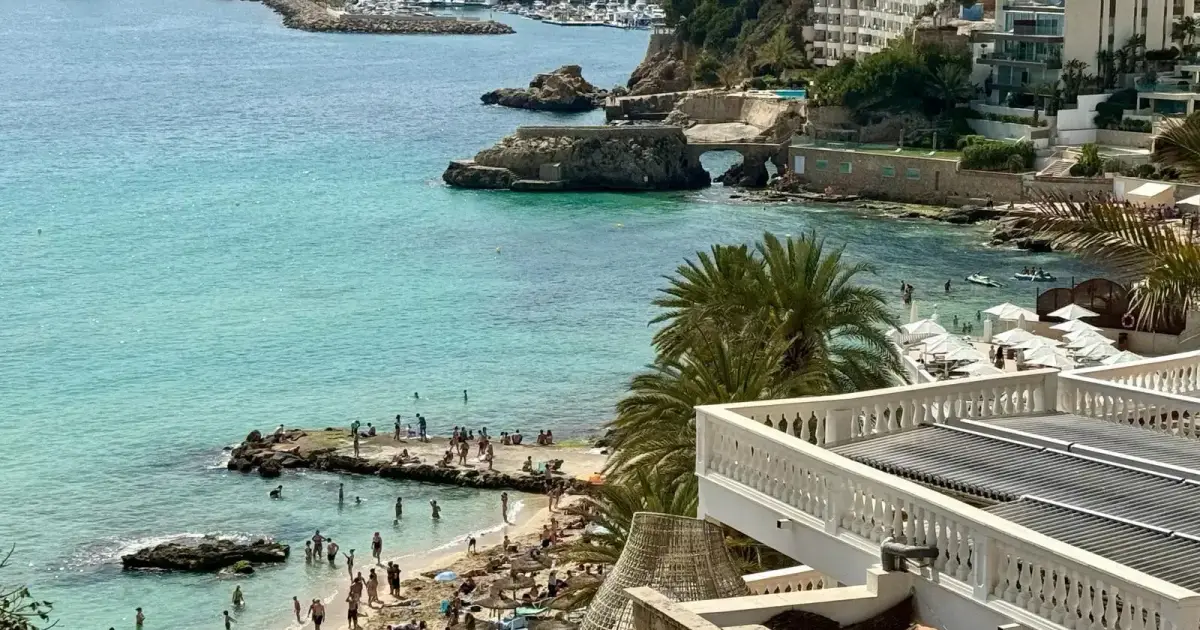
Cala Major, a busy beach on Palma’s western side, has earned the Blue Flag award again for 2026. This puts it among 33 beaches across the Balearic Islands that meet high standards for cleanliness, safety, and eco‑friendly management.
What is the Blue Flag?
The Blue Flag is an international eco‑label run by the Foundation for Environmental Education. To fly the flag, a beach or marina must satisfy more than 30 strict rules covering:
- Water quality
- Environmental management
- Safety and lifeguard services
- Accessibility for all visitors
- Information and education about the area
Local authorities have to meet these standards every year; slipping up can mean losing the flag temporarily.
Cala Major’s Comeback
After a brief absence, Cala Major reclaimed its Blue Flag status thanks to work by the local council and beach‑management teams. Their efforts improved water cleanliness, upgraded facilities, and kept the shoreline safe for swimmers and sun‑bathers.
Location and Vibes
Where to find it
Just four kilometres west of Palma’s city centre, Cala Major sits next to Marivent Palace – the summer home of Spain’s royal family – and near the Fundació Pilar i Joan Miró, where the famous artist created many of his later works.
What you’ll feel
The beach blends a lively tourist scene with a calm residential neighbourhood. You’ll find plenty of cafés, shops, and spots to hang out, making it a favourite for both locals and visitors.
Beach Features and Facilities
Sand and sea
A large reclamation project in the late 1900s added thousands of tonnes of sand, giving Cala Major a wide, soft shoreline while preserving its natural rock formations. A small breakwater splits the beach into two sections and doubles as a popular sun‑bathing platform.
Wind protection
Cliffs beneath Marivent Palace shield the beach from easterly winds, while hotels along the waterfront block westerly breezes. The sandy bottom slopes gently to about five metres deep, though anchoring is prohibited near the royal residence.
Metered parking operates during peak times, and regular bus routes stop a short walk from the sand. For sailing enthusiasts, the Escola Nacional de Vela de Calanova lies roughly half a nautical mile offshore.
How the Blue Flag Works
Yearly check‑ups
To keep the flag, municipalities must prove they continue to meet all criteria. Inspectors look at water samples, safety protocols, accessibility ramps, signage, and environmental education programs. Any shortfall can trigger a temporary withdrawal of the award.
Why it matters
Earning the Blue Flag tells visitors that the beach is clean, safe, and managed with the environment in mind. It also encourages sustainable tourism, helping protect the coastline for future generations.
Looking Ahead
Sustainability goals
Palma’s authorities plan to keep improving waste‑recycling stations, expand eco‑friendly transport options, and run more educational workshops for kids and teens. The aim is to maintain the Blue Flag not just for 2026 but for many years to come.
Final Thoughts
Cala Major’s return to the Blue Flag list shows what a community can achieve when it puts effort into protecting its natural beauty while welcoming visitors. Whether you’re there to swim, relax, or explore nearby cultural sites, you can enjoy the beach knowing it meets top‑notch environmental and safety standards.
Images Credit: www.majorcadailybulletin.com