

Early Life and First Jobs
Working in the Jewelry Workshop
Joan Camps Mercadal, known as Nito, was born on August 18 1928 in Mahón. As a teenager he helped his family’s jewelry business, traveling by boat to Barcelona and then by train to various cities across Spain to meet clients and bring back orders for the workshop on Camí des Castell.
Discovering Painting
Even while working with jewels, Nito spent his free time drawing and painting. He never attended formal art classes; his skills grew through practice and observation. This hobby stayed with him until he left the jewelry shop sometime between the mid‑1950s and early 1960s, after which he could devote more time to his art.
Artistic Development
Self‑Taught Painter
Nito experimented with different media—paper, canvas, wood—and tried various techniques. His early works were mostly sketches and small studies, but they showed a keen eye for the landscapes and everyday scenes of Menorca.
First Exhibition in 1974
In 1974 Nito held his first public show at the Ateneu de Mahón, part of the Virgin of Gràcia festivities. The exhibition was titled “Exhibition of black and white painting by Nito Camps.” It featured 36 pieces that portrayed Menorcan views such as the Mahón port, Avinguda de la Victòria, Costa del General, sa Mesquida, es Grau, s’Albufera des Grau, Fonduco, and towns like Sant Lluís, Binibèquer, Alcaufar, Biniancolla, Alaior, Mercadal, Migjorn Gran, and Ciutadella.
The Black‑and‑White Show at the Ateneu de Maó
The opening on September 6 drew a large crowd. Visitors loved the stark contrast and the familiar island scenery. By the end of the first week almost every painting had been sold, proving how popular his work already was.
Popularity and Quick Sales
The fast sales showed that Nito’s art resonated with locals. His ability to capture the spirit of Menorca in simple black‑and‑white forms made his pieces accessible and beloved.
Murals Around Menorca
Murals in Mahón
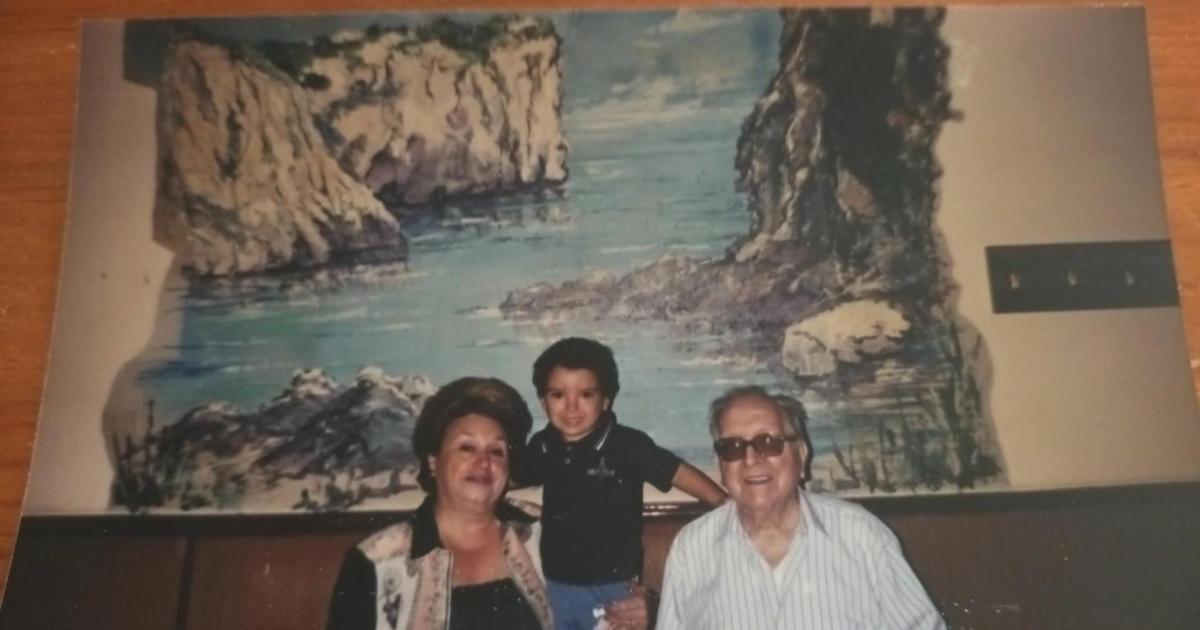
Nito painted many murals in bars, restaurants, and shops. Though several have vanished due to renovations, photos and memories keep them alive.
Penya Barcelonista – Camp Nou Scene
At the Penya Barcelonista club, a mural still shows the exterior of FC Barcelona’s Camp Nou stadium, a tribute to the team’s fans.
Bar Europa – Coves and Rafalet
In Bar Europa (known locally as can Uenxi) two side‑by‑side murals once decorated the right wall: one depicted the cave of na Polida, the other the cove of Calescoves. The Mediterráneo bar featured a large Rafalet cove mural on its left wall, later refreshed by the painter Nieto for new owners.
Other Bars and Shops
– At the Catisa factory bar, Nito painted Sa Mesquida on the back wall; the artwork disappeared when the building collapsed.
– The Andalucía bar housed another landscape mural, though the exact scene is not recorded.
– In the Cas Gomiles barber shop, a humorous horizontal mural showed a wicker chair, a barber, and three men stacked on the chair with the caption “el siguiente, por favor.” The mural was lost when the shop was remodeled around 1970‑71.
Murals in Sant Climent and Cala en Porter
Casino de Sant Climent
Nito painted a Calescoves scene on the left wall of the casino. It vanished when a staircase was added to reach the upper floor.
Pons Bar – Cala en Porter
The Pons bar still preserves a dining‑room mural of the Penya de s’Indio, accompanied by five still lifes created between 1972 and 1974. These works give a glimpse of his versatility beyond landscapes.
Decorating Events and Festivities
Fashion Shows
Nito’s talent for visual design extended to temporary decorations. He created backdrops and props for local fashion shows, using bright colors and playful motifs that matched the clothing on display.
Musical and Festive Decorations
For concerts, village fiestas, and other celebrations, he painted scenery and ornamental panels that set the mood. His work could be seen on stages, in town squares, and inside community halls, adding a personal Menorcan touch to each event.
Legacy and Remembering Nito Camps
Influence on Local Art
Although Nito never sought fame beyond his island, his murals and paintings inspired many young artists in Mahón and the eastern part of Menorca. His willingness to paint in everyday places made art accessible to everyone.
Surviving Works and Photos
Today, photographs of his murals—such as the Camp Nou scene at Penya Barcelonista and the Penya de s’Indio at Pons bar—serve as valuable records. Some of his canvas paintings are held in private collections and occasionally appear in local exhibitions.
Conclusion
Joan Camps Mercadal (Nito) lived a life rooted in Menorca’s culture. From helping in a jewelry workshop to becoming a beloved self‑taught painter, he filled the island’s walls with mur
Images Credit: www.menorca.info