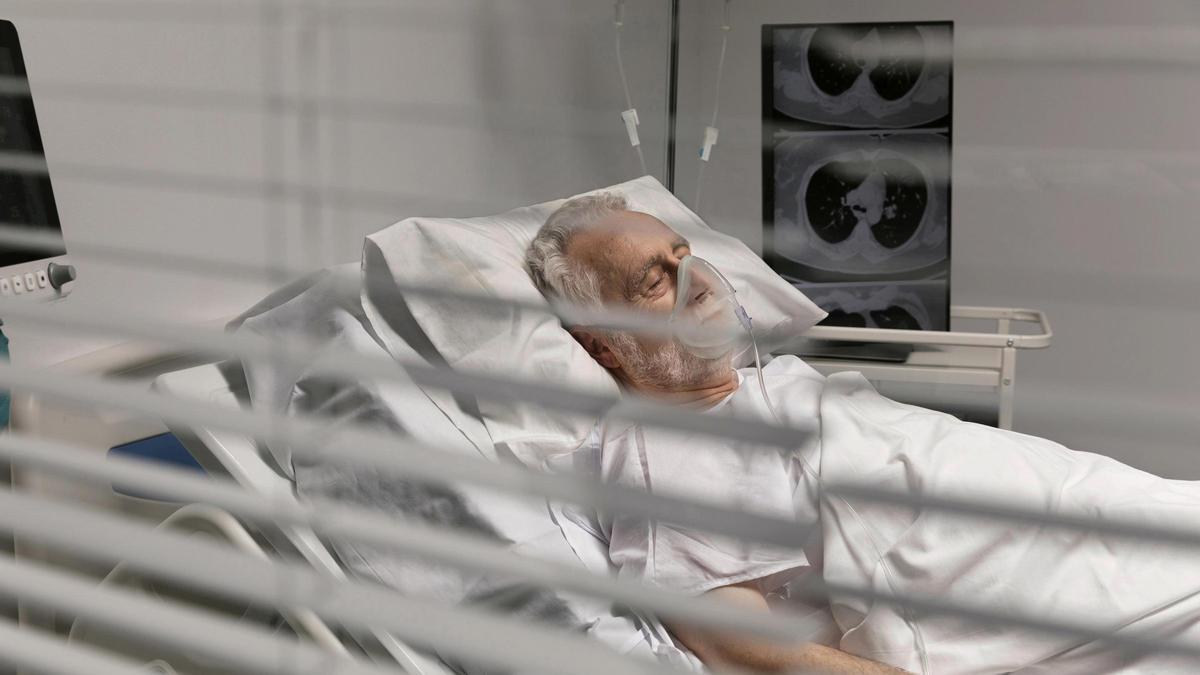


Understanding Pneumonia: Symptoms, Risk Factors, and Treatment
Pneumonia, a potentially serious complication of the flu and other respiratory infections, remains one of the main causes of hospitalization in adults. Detecting it in time can make the difference between successful home treatment and the need for hospital care. Dr. José Alejandro Medina García, coordinator of the Emergency and Internal Medicine Service of the Vithas Tenerife Hospital and specialist in Internal Medicine, explains how to identify warning symptoms, differentiate pneumonia from a severe flu, and know the risk factors that increase the vulnerability of certain patients.
Symptoms of Pneumonia and Differences from a Bad Cold or Flu
The classic symptoms of pneumonia are usually shortness of breath, chest pain, high fever, and purulent expectoration. These symptoms are typical and classic, although there are atypical forms of pneumonia. The symptoms that indicate that the pathology has escalated and may be facing pneumonia, rather than a bad cold or flu, include an increase in fever or its reappearance, chest pain, decreased appetite, wheezing, and a change in the characteristics of the sputum, which usually becomes purulent or rusty. In contrast, the flu typically presents with muscle pain, headache, and dry cough as distinct symptoms.
Risk Factors for Pneumonia
Among the risk factors for pneumonia are diseases that weaken the immune system, such as diabetes, asthma, chronic bronchitis, hypertension, chronic heart or kidney failure, or COPD, which can significantly aggravate the disease. Alcoholism and smoking, malnutrition, or dementia also increase the risk, as does age. According to Dr. Medina García, these risk factors can make a significant difference in the severity and outcome of pneumonia.
File – Flu vaccine. /JCCM – Archive
Diagnosis of Pneumonia
The usual tests to diagnose pneumonia include anamnesis (medical interview) and physical examination, which are the most effective when diagnosing any patient. Complementary tests may include a chest x-ray, a simple analysis with inflammatory parameters, and arterial blood gas analysis in patients with low saturations. Microbiological studies, such as sputum culture or blood culture, may also be performed when there is fever, or urinary serology of legionella antigens and pneumococci.
Treatment of Pneumonia
The usual treatment for pneumonia is with antibiotics, most of which belong to the families of penicillins, cephalosporins, or macrolides in the case of immunocompetent patients. There are various scales to help with the clinical decision to admit a patient, such as the PSI scale (pneumonia severity index), which helps decide between outpatient treatment, 24-hour observation, hospital admission, or ICU admission. Age is a significant factor in this decision, and patients unable to comply with the antibiotic regimen should be admitted even if they are not seriously ill.
When to Seek Emergency Care
The main warning signs that indicate the need for immediate emergency care include drastic alteration of vital signs, very high fever, increased or decreased heart rate, drop in blood pressure, and oxygen saturation in healthy individuals, especially if there is respiratory difficulty. If oxygen saturation is below 95%, it is a cause for concern. In people with respiratory problems, the concern threshold may vary depending on their usual saturation levels.
However, 75% of acquired pneumonias are treated at home. Among the measures to be adopted are rest, hydration, good ventilation of the house and room, and strict compliance with the prescribed treatment. One of the classic admission criteria, regardless of the severity of the pneumonia, is the inability to carry out the treatment independently or have support to carry it out. People with situations of social vulnerability must keep this in mind. For more information on pneumonia and its symptoms, visit Here
Images Credit: www.diariodeibiza.es