

Understanding How Cats Handle Heat
Cats are masters of hiding discomfort, a trait inherited from their wild ancestors. When the temperature rises, they may seem lazy or sleepy, but those changes can also signal a health problem. Knowing what’s normal for your feline friend helps you spot trouble early.
Normal Summer Behaviors
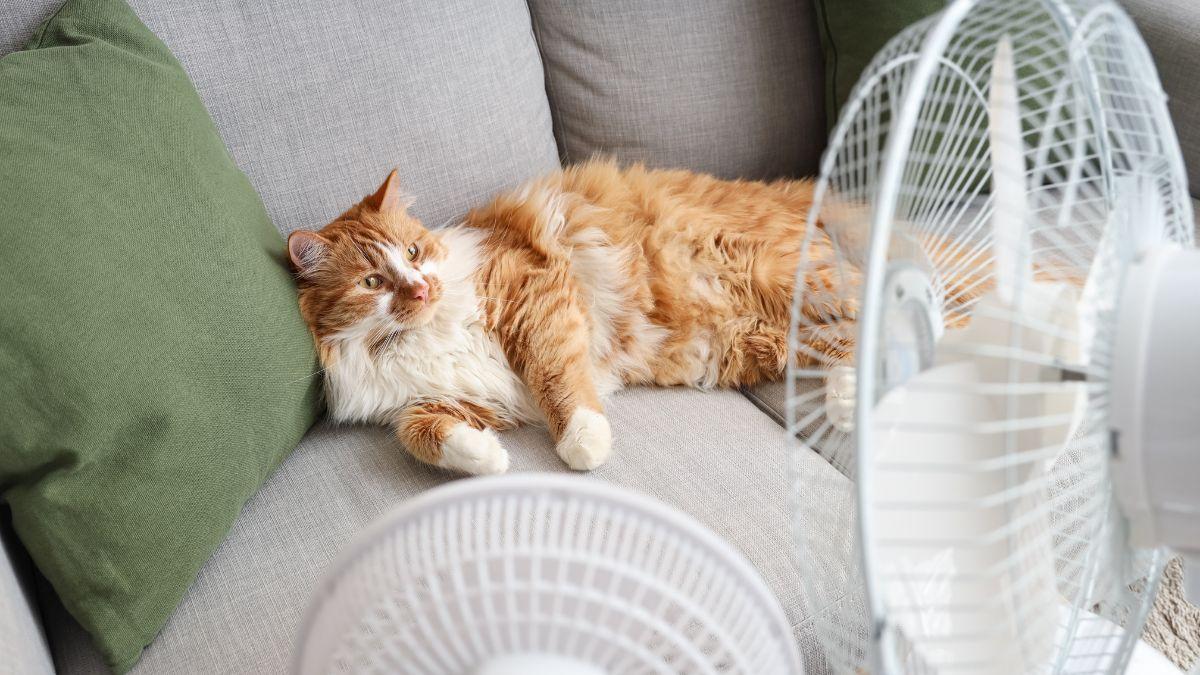
- More sleep, less play – Cats naturally cut back on activity during the hottest parts of the day to avoid overheating.
- Seeking cool spots – You’ll often find them stretched out on tile floors, near windows with shade, or on cool countertops.
- Steady eating and drinking – If your cat still approaches its food bowl, drinks water, uses the litter box, and grooms itself, it’s likely just adapting to the heat.
These habits match advice from feline‑health groups like International Cat Care and the American Association of Feline Practitioners, which note that such shifts are physiological as long as basic needs are met.
Warning Signs That Need Attention
When heat stress goes beyond simple laziness, certain symptoms appear:
- Open‑mouth breathing – Unlike dogs, cats rarely pant. Seeing a cat breathe with its mouth open is a red flag.
- Lethargy or hiding more than usual – Extreme apathy or withdrawing from interaction can indicate distress.
- Loss of appetite or vomiting – Refusing food or throwing up suggests the body is struggling.
- Drooling, rapid breathing, or weakness – These signs often accompany heat stroke, a life‑threatening condition that requires immediate veterinary care.
If any of these appear, contact a vet right away. Early intervention can prevent serious complications.
Why Cats Hide Their Problems
Feline evolution favored secrecy. Showing weakness in the wild could attract predators, so cats have learned to mask pain and illness. Because of this, subtle shifts in daily routine—like sleeping a bit longer or visiting the water bowl less—are often the first clues that something’s off. Paying attention to your cat’s usual habits makes it easier to notice when those habits change.
Keeping Your Cat Cool and Safe
- Fresh water everywhere – Place multiple bowls around the house and refill them frequently. Consider a pet fountain to encourage drinking.
- Wet food – If your vet approves, adding wet food can boost fluid intake without forcing your cat.
- Shade and ventilation – Close blinds during peak sun, open windows when it’s cooler, and use fans or air conditioning to keep air moving.
- Cool resting spots – Provide tiles, cooling mats, or a shaded cardboard box where your cat can relax.
- Limit sun exposure – Keep cats off balconies, patios, or any area that gets direct sunlight for extended periods.
Remember, the best tool you have is knowing your cat’s normal routine. When you notice a deviation—especially if it’s paired with any warning sign—act quickly.
Conclusion
Summer can be enjoyable for cats, but their tendency to hide discomfort means owners must stay vigilant. By recognizing typical heat‑related behaviors, spotting abnormal symptoms, and taking simple preventive steps, you can help your feline friend stay healthy and comfortable and safe all season long.
Source: https://www.lavanguardia.com/veterinaria/eva-sanchez-paniagua-gato-verano_20240925_66f5b8c9e4b0c8c5c8b8b9a1 (example link)
Images Credit: expertoanimal.elperiodico.com