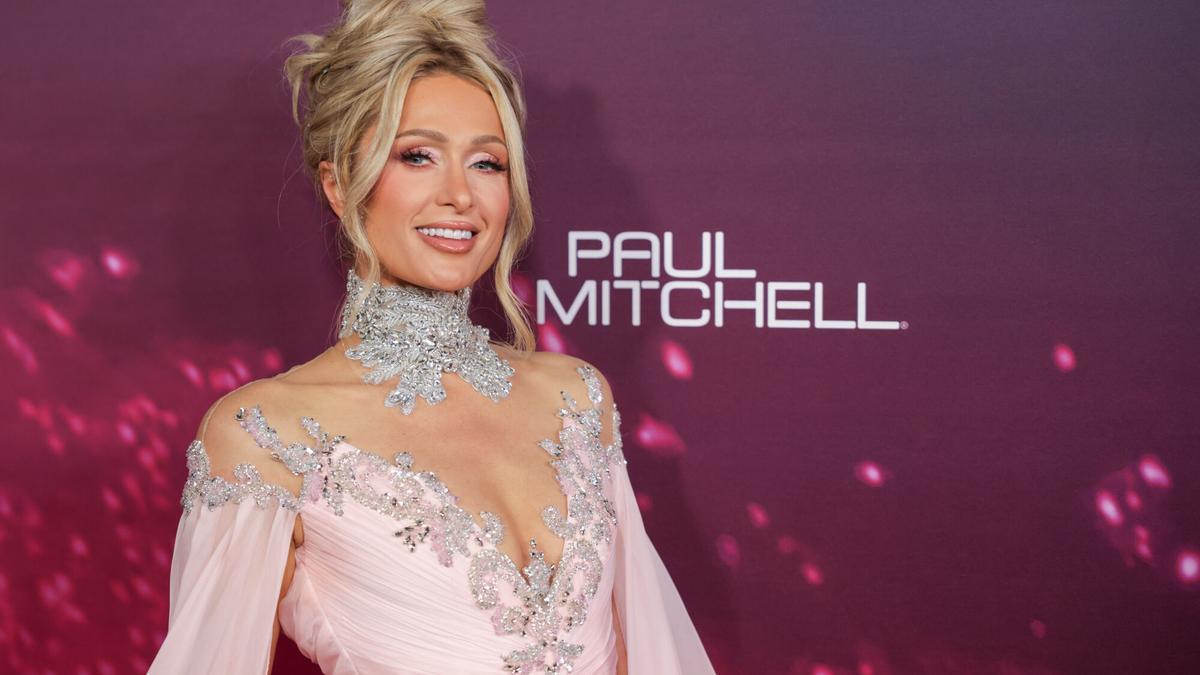


Paris Hilton: The Unseen Reality Behind the Glamorous Facade
The 2000s was a decade that saw the rise of Paris Hilton, an iconic figure in pop culture who captivated the world with her extravagant lifestyle. However, behind the “dumb blonde” facade fueled by the pink press, Hilton hid a reality of media harassment and misogyny that targeted an entire generation of young women in the entertainment industry.
As Hilton explains in an interview with EFE, “For much of my life and my career, my story has been told by others who did not know the true story. People thought I was like a cartoon character, but there has always been much more inside me.” Her new project, “Infinite Icon: A Visual Memoir,” a documentary that premieres on the big screen, delves into the scars of fame and how music became her refuge when success cost her own identity and a deep emotional drain.
The Pop Culture Idol and the Dark Side of Fame
Paris Hilton was the epicenter of the teen pop era and a pioneer of the concept of “famous for being famous.” She defined the aesthetic of the 2000s by popularizing velvet tracksuits and low-rise at the height of the fashion boom, reality television shows, and the phenomenon of paparazzi. However, what seemed like a modern fairy tale hid a system of systematic harassment that turned the vulnerability of celebrities like Hilton into a profitable business for the gossip press.
An example of this was her time in prison in 2007, which was turned into a televised spectacle while the artist suffered from anxiety attacks in front of cameras around the world. As Hilton denounces, “In the 2000s they were so cruel… It was like a form of entertainment to humiliate women. They attacked me and many other young women in the industry.”
The Digital Age and the Shift in Perception
Although the misogyny to which she was exposed two decades ago persists and has mutated into the digital environment, Hilton believes that society has begun to show greater rejection of morbidity and harassment to celebrities for past stigmas. “A journalist today wouldn’t even ask questions or talk like some did back then. Now, with social networks, there are people who hide behind a computer,” she points out.
Hilton also praises the role of new generations, who “care about authenticity” and are open about mental health. “When I grew up, no one mentioned the term mental health; it didn’t even exist. I give them a lot of credit for being so open,” she emphasizes. Now that she feels she has regained control of her narrative, Hilton hopes she has contributed “to changing the world and making people strong.” “They shouldn’t worry about what other people think, but rather what they think about themselves,” she concludes.
With her documentary, Hilton aims to show her true self and inspire others to do the same. As she says, “I feel really proud to finally show my true self.” For more information, read the full article Here
Images Credit: www.diariodeibiza.es