

Balearic Parliament Approves Controversial Motion on Full-Face Veil Restrictions
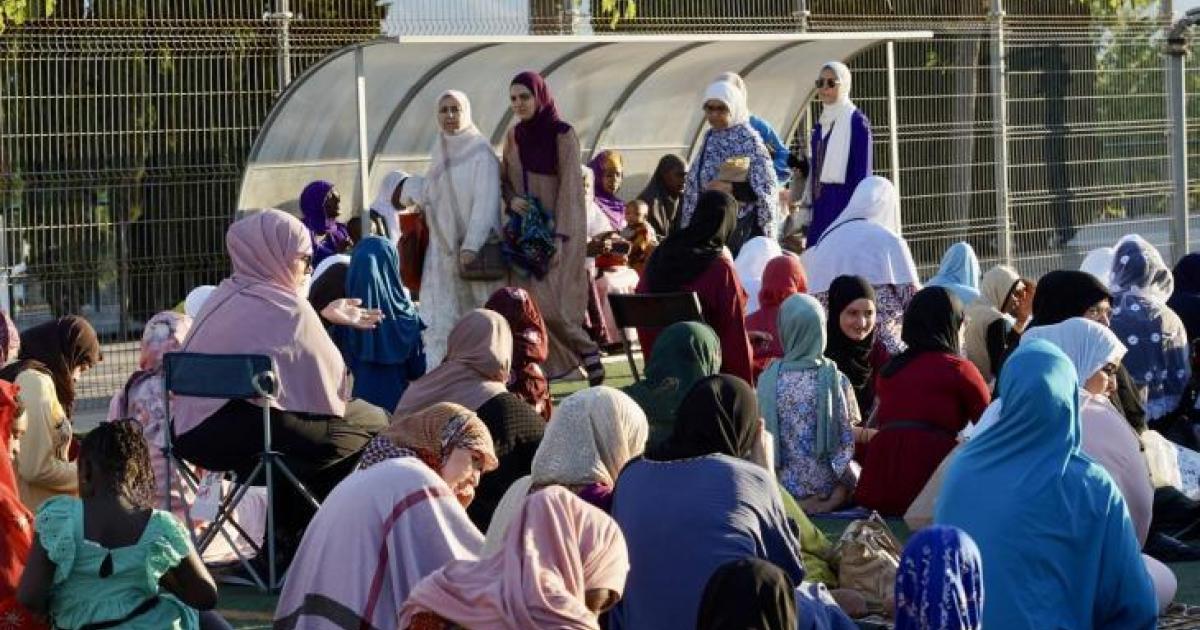
The Balearic Parliament during the debate on religious attire regulations
Cross-Party Vote Reveals Deep Divisions
A plenary session of the Balearic Parliament approved a motion calling on the Spanish government to ban the use of full-face veils in Spain. The measure passed with support from the conservative Partido Popular (PP) and far-right Vox, while the Socialist Party, independent Més per Mallorca and far-left Unidas Podemos opposed it. Més per Menorca abstained, with critics accusing the PP of pursuing “racist” policies and “seeking headlines“.
The Legislative Tightrope
PP MP Cristina Gil defended their unamended proposal, rejecting Vox’s attempt to extend the ban to hijabs. “The burqa constitutes a prison of fabric,” Gil argued, citing European Court of Human Rights precedents. “Western law cannot allow this symbol to become normalised – it renders women invisible and annihilates them.”
Més coordinator Lluís Apesteguia countered that the motion served electoral strategy rather than social progress: “Between the original and the copy, people will end up choosing the original,” he stated – a remark that ironically drew applause from Vox members.
The Complexity of Religious Freedom Debates
Legal experts note Spain’s patchwork approach to religious attire. While no national ban exists, Catalonia and parts of Andalusia implemented local restrictions after a 2010 Spanish Supreme Court ruling affirmed municipal authority to regulate face coverings for security purposes. The European Court of Human Rights upheld similar bans in France and Belgium in 2014, citing public safety and “living together” principles.
UN Human Rights Committee reports (2021) caution that such measures disproportionately affect Muslim women, potentially restricting their access to public services. Conversely, some feminist organizations like the Spanish Women’s Institute have supported restrictions as incompatible with gender equality.
Implementation Challenges Ahead
The non-binding motion faces significant hurdles. Spain’s national government would need to introduce legislation – unlikely under the current left-wing coalition. Constitutional law professor María Acracia (University of the Balearic Islands) notes: “Any national ban would require demonstrating both legitimate aim and proportionality, following Article 16 of the Spanish Constitution guaranteeing religious freedom.”
Meanwhile, Muslim community representatives express concern. “This debate consistently happens about us, not with us,” states Leila Ahmed of the Islamic Council of the Balearic Islands. “Less than 0.5% of Muslim women here wear full-face coverings, yet we all face increased hostility when these political spectacles occur.”
As Spain prepares for regional elections, this motion highlights ongoing tensions between security concerns, religious expression, and identity politics in modern European democracies.
Source: Majorca Daily Bulletin coverage
Images Credit: www.majorcadailybulletin.com