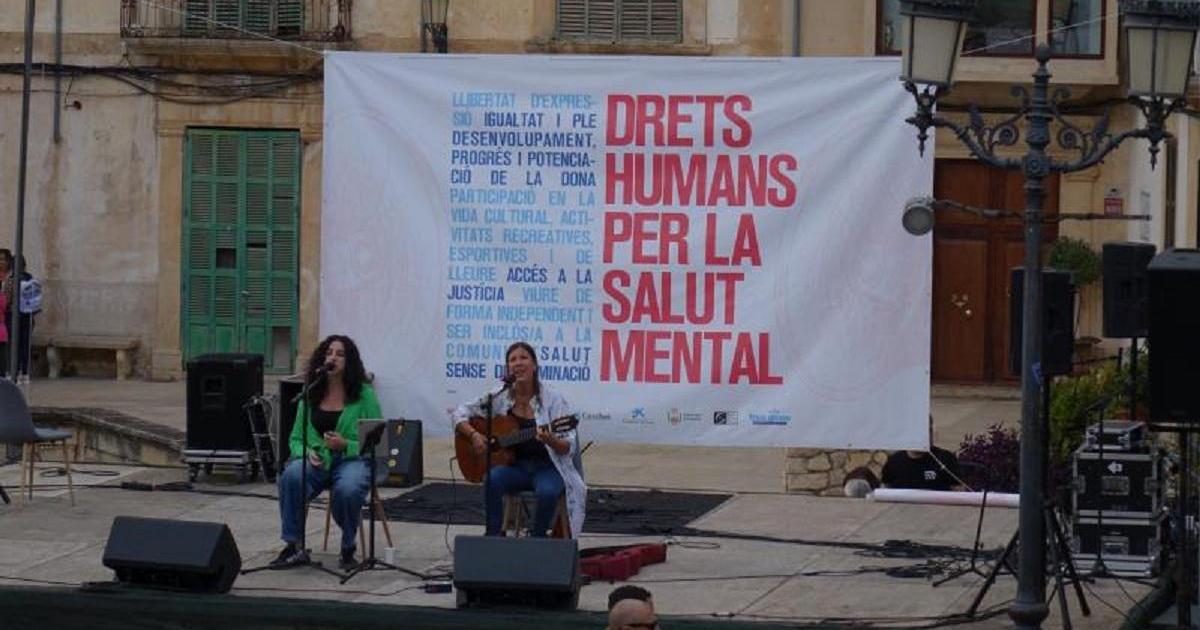


Youth Mental Health Crisis Deepens in Europe as Balearic Islands Face Unique Struggles
Europe is confronting an alarming mental health emergency among young people, with new data revealing 1 in 7 children and adolescents (ages 0-19) currently live with a diagnosable mental health condition. The World Health Organization reports anxiety and depression rates surged by 25% following the COVID-19 pandemic, leaving over 9 million European adolescents (10-19 years) struggling with poor mental health. Girls face disproportionate impacts, with 1 in 4 females aged 15-19 affected by mental health challenges.
Suicide and Systemic Failures
Tragically, suicide remains the leading cause of death for Europeans aged 15-29. Nearly half (49%) of young EU residents report being unable to access needed mental health support. The crisis reaches alarming levels in Spain’s Balearic Islands, where youth face significantly worse mental health outcomes than mainland peers due to intersecting pressures from housing costs, job insecurity, and tourism impacts.
Groundbreaking Balearic Study Reveals Structural Causes
The 2024 Youth Yearbook study ‘When living suffocates: structural factors and youth mental health in the Balearic Islands’ exposes how housing costs and precarious employment create psychological distress. Produced by the Balearic Youth Institute with University of the Balearic Islands researchers, the work demonstrates why traditional clinical approaches fall short.
“Youth mental health cannot be addressed solely through healthcare services,” states the report commissioned by the Balearic Islands Youth Council. Researchers demand comprehensive public policies addressing root causes: affordable housing, living-wage jobs, gender equity, and meaningful youth participation.
A Generation Losing Hope
Survey data paints a bleak picture of young islanders’ outlooks:
- Only 4% rate youth circumstances as “good” or “very good”
- 35.9% describe conditions as “bad” or “very bad”
- Just 34% believe they’ll live better than their parents
“Property speculation has created impossible housing costs,” explains lead researcher Dr. Maria Serra from UIB. “When combined with seasonal tourism jobs paying unstable incomes, young people experience profound instability – what we call structural vulnerability.”
Mental Health Statistics Show Alarming Disparities
| Condition | Balearic Rate | National Spanish Rate |
|---|---|---|
| Chronic Anxiety (15-29 yrs) | 13.3% | 6.2% |
| Depression (15-29 yrs) | 7.3% | 5.0% |
| Depression (30+ yrs) | 15.3% | 12.4% |
Breaking the Cycle of Vulnerability
The study identifies tourism industry dynamics as a key stressor. With 34% of Balearic GDP tied to tourism, most youth employment features temporary contracts without benefits. This instability combines with Europe’s highest housing price-to-income ratio (15.5 years’ salary for average home vs. 7.8 nationally) to create what researchers term “loss of future expectations.”
Psychologists emphasize the long-term consequences. “Chronic housing stress activates the same neural pathways as physical threats,” notes Dr. Elena Marques of the Spanish Psychological Association. “When young brains remain in survival mode for years, we see cascading effects on cognition and emotional regulation.”
As policymakers respond to these findings, advocates stress solutions must go beyond therapy. “We need rent controls, year-round employment contracts, and mental health services designed around these structural realities,” urges Balearic Youth Institute Director Carlos Ruiz. “Our youth deserve futures, not just crisis management.”
Source: Majorca Daily Bulletin
Images Credit: www.majorcadailybulletin.com