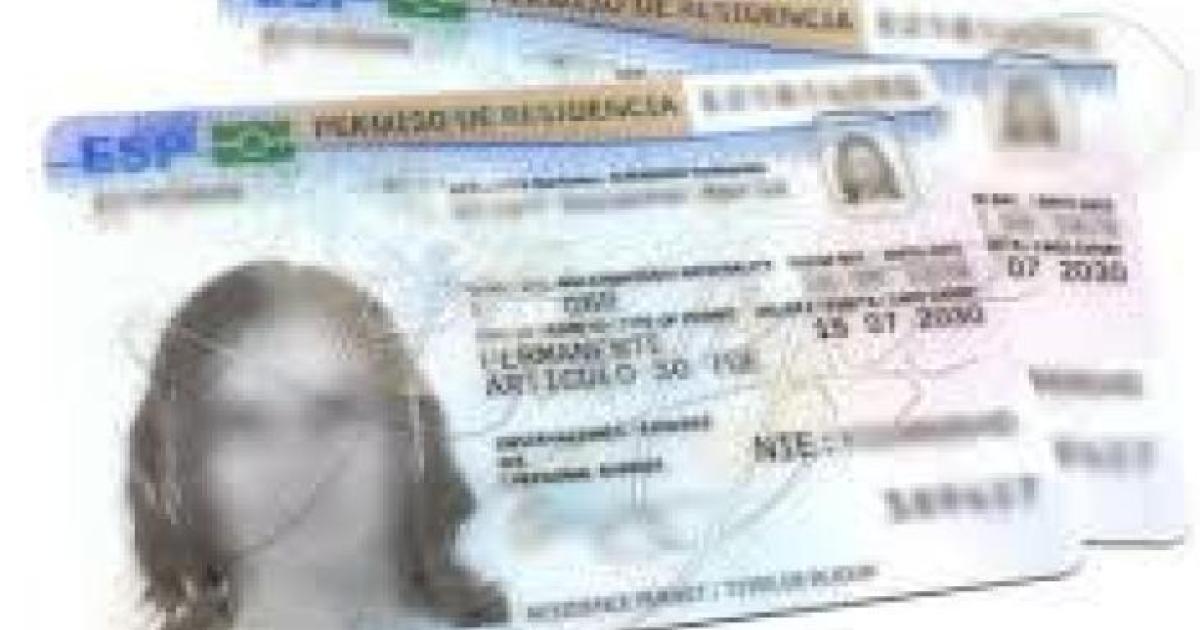


Why the TIE Card Matters
If you’re a non‑EU citizen living in Spain for more than six months, the Tarjeta de Identidad de Extranjero (TIE) is your official ID. It lets you work, study, travel within the Schengen area, and prove you’re legally resident. Without it, everyday things like opening a bank account or signing a rental contract become a hassle.
The Appointment Nightmare in Palma
Many people who have already applied for a new TIE find themselves stuck at the very last step: booking an appointment at the foreigners’ office (Oficina de Extranjería) to pick up the card.
- Two‑week wait: Applicants report refreshing the online system daily with no slots available.
- Overwhelmed offices: The surge comes from Spain’s recent amnesty that allowed about half a million migrants to start the regularisation process.
- Even lawyers struggle: Legal representatives say the system is so back‑logged that they can’t secure a date for their clients.
What You Can Do While You Wait
While you’re waiting for that elusive appointment, there are a few practical steps you can take:
- Carry proof of your application – a receipt or screenshot showing you’ve submitted the renewal request.
- Keep your old TIE and passport handy – authorities often accept an expired card together with the application receipt as temporary proof of status.
- Show a travel itinerary – if you need to fly domestically, a copy of your flight booking can help police verify your situation.
- Visit a local police station – some officers can issue a provisional document or at least confirm that your case is in process.
The Bigger Picture: Regularisation Deadline
Spain’s regularisation programme has a hard deadline of 30 June. After that date, new applications won’t be accepted, and anyone still waiting will have to rely on diplomatic channels to finish the process.
- Current numbers: As of 21 May, roughly 550 000 applications were logged, but only about 9 % have moved to the processing stage.
- Processing delays: Even when an application is approved for review, getting a Social Security number and the actual TIE card can take weeks—or months—because appointment slots are scarce.
Voices from the Community
- Lawyer Vicente Marín notes that, in his firm’s experience, some cases are moving within a reasonable time, but the overall system feels chaotic.
- Vicky Columba from the platform Regularización Ya says many approved applicants still can’t work because they lack the final card and Social Security affiliation.
- Bea Cantero, president of Mujeres Pa’lante, describes each stalled case as a “life held in limbo,” worrying about renewals and future stability.
What the Government Is Saying
The Ministry of Inclusion, Social Security and Migration urges applicants to stay calm and submit their paperwork before the deadline. They promise that, if mistakes are found later, there will be a chance to correct them. The Ministry of the Interior adds that police are working extra hours and cracking down on fraudulent appointment bookings to speed things up.
Tips for Teens Navigating the Process
- Stay organized: Keep a folder (digital or paper) with every receipt, email, and screenshot related to your TIE application.
- Set reminders: Check the appointment portal at the same time each day—sometimes slots open early in the morning.
- Ask for help: Schools, community centres, and immigrant support groups often have volunteers who know how to navigate the system.
- Don’t panic: Even without the physical card, having proof of application and your passport usually suffices for short‑term travel and basic services within Spain.
Conclusion
Getting a new TIE card in Palma has turned into a frustrating waiting game for many, especially with the regularisation deadline looming. While the system is clearly overloaded, carrying the right documents and staying proactive can reduce stress and keep you moving forward—whether you’re heading to class, work, or a weekend trip around the island.
Images Credit: www.majorcadailybulletin.com