

What’s Happening at European Airports This Summer?
Airports and airlines across Europe have sent an open letter to Ursula von der Leyen, President of the European Commission. They say the new border‑checking system (the Schengen Entry/Exit System, or EES) is causing long waits and disrupting travel, especially during the busy July‑August period.
Why the EES Was Introduced
The EES is meant to replace passport stamps with an electronic record of who enters and leaves the Schengen area. It should make border checks faster and safer in the long run, once everything works smoothly.
Summer Travel Woes
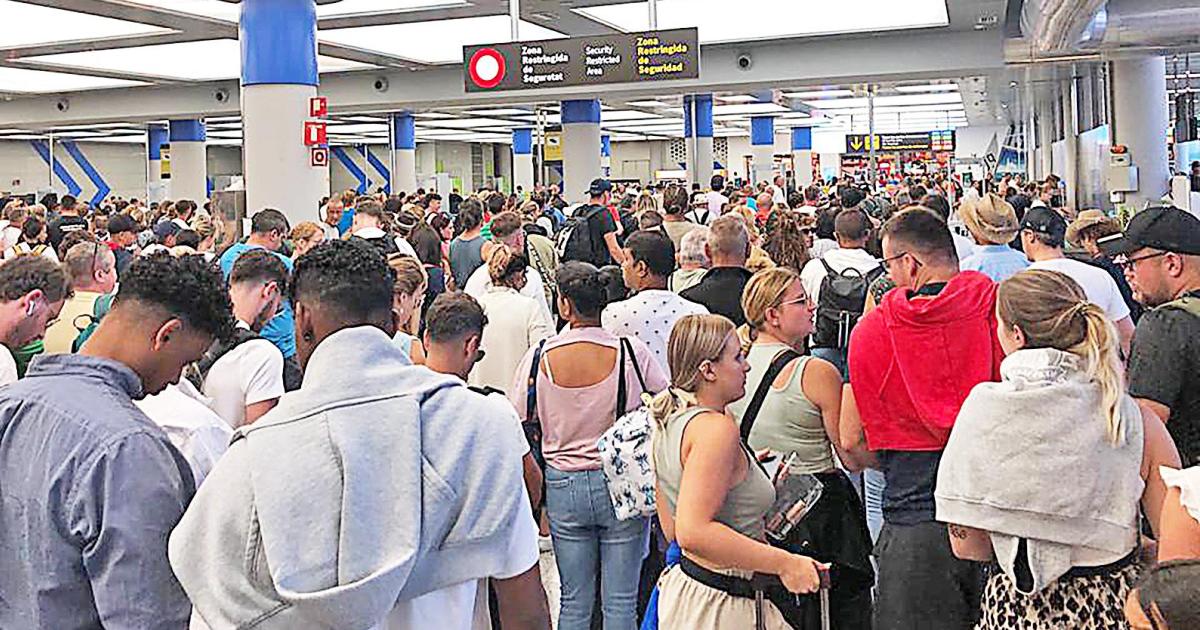
- Long lines: Since the system went live in April, waiting times at passport control have jumped to as much as five hours during peak hours.
- Missed flights: Travelers stuck in queues sometimes see their planes leave with empty seats while they’re still waiting.
- Operational strain: Airports report flight delays, missed connections, and stressed staff trying to cope with the bottlenecks.
- Tourist spots affected: Even smaller airports that serve popular holiday destinations are feeling the pressure.
The letter notes that Member States have already used a temporary flexibility—suspending biometric data collection until early September—to ease the pain a bit, but it’s not enough for the summer rush.
What the Airports and Airlines Are Asking For
- Immediate suspension of the EES in July and August whenever passenger numbers exceed the capacity of border‑control facilities.
- A permanent flexibility mechanism starting in September that lets authorities pause the EES under clearly defined exceptional circumstances.
- Continued measures until the structural issues are fixed, including:
- Hiring enough border‑control staff
- Making the EES system stable and reliable
- Rolling out a pre‑registration app for all countries
- Fully deploying self‑service kiosks and automated gates
They stress that these steps are needed to keep the European transport network running smoothly during the peak travel season.
Why This Matters to Everyone
- Passenger experience: No one wants to spend half a day in a line before a vacation.
- Economic impact: Delays hurt airlines, airports, and the tourism businesses that rely on timely arrivals.
- EU reputation: The letter warns that claiming the EES is a “success” while travelers suffer could damage trust in European institutions.
The airports and airlines acknowledge the importance of the new system and say they have invested heavily in infrastructure and training. They simply want the rollout to be adjusted so it works for real‑world travel, not just on paper.
Conclusion
The current EES rollout is creating serious bottlenecks that threaten to ruin summer travel for millions. By asking for a temporary pause in the busiest months and a lasting flexibility plan, Europe’s airports and airlines hope to protect passengers, keep flights on schedule, and give the system time to work properly. Only then can the EES truly achieve its goal of safe, efficient border crossings.
Reference: Source
Images Credit: www.majorcadailybulletin.com