

What the EU Wants to Achieve
On June 3 the European Commission unveiled its plan for digital sovereignty. The goal is to make Europe less reliant on technology from the United States, especially in areas like artificial intelligence and cloud computing. Commission President Ursula von der Leyen said Europe cannot afford to depend on other countries for these vital services.
Why the Plan Exists
Officials worry that former U.S. President Donald Trump could use America’s control over key tech as a way to pressure European governments. The recent loss of access to Anthropic’s “Mythos” AI model highlighted how quickly Europe could be cut off if it stays dependent on foreign providers.
The Cloud Problem
Today about 70 % of Europe’s cloud market is dominated by three U.S. companies: Amazon Web Services (AWS), Microsoft Azure, and Google Cloud. Because of the U.S. CLOUD Act, these firms can be forced to hand over data stored anywhere in the world, including Europe.
To tackle this, the EU introduced a rating system called SEAL (Sovereignty Evaluation and Assurance Level). It runs from 0 to 4:
- 0 – No guarantees of EU control.
- 1 – Data stays under European jurisdiction.
- 2 – Data sovereignty is assured.
- 3 – Protection against supply‑chain interruptions.
- 4 – Full EU control of everything, from chips to software.
Only a handful of providers reach level 3, and none have achieved level 4 yet. That means most European public data could still be managed by U.S. firms.
What Critics Say
Some experts argue the SEAL levels do not actually keep American hyperscalers out. Francesca Bria, an innovation adviser, welcomed the move as a step toward digital independence, but others warn the plan may just create “escape routes” rather than true sovereignty.
Economist Cecilia Rikap points out that the regulation focuses on preventing a sudden cutoff of cloud services, not on taking control away from big tech companies. She notes that U.S. firms are already creating European subsidiaries with local boards to sidestep the rules while keeping access to European data.
AI and the Push for More Data Centers
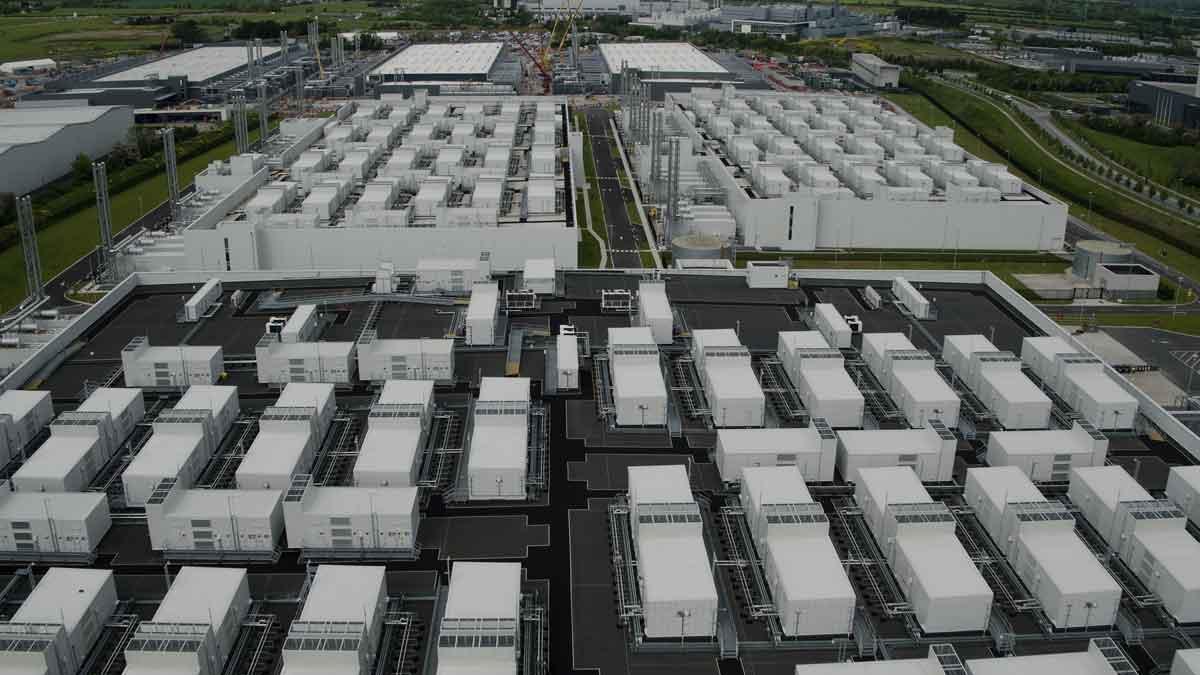
The strategy also embraces an “AI first” approach, aiming to triple Europe’s data‑center capacity within five to seven years. Member states are asked to set up “acceleration zones” for these facilities.
However, skeptics like Cristina Caffarra of EuroStack warn that building more centers without a strong European demand for computing power could simply lead to renting capacity from the same American giants the EU wants to reduce dependence on.
Environmental Concerns
Data centers consume huge amounts of electricity and can raise pollution levels. The EU is considering loosening some regulations to speed up construction, but this has raised alarms about climate impact. Investigations have shown that companies like Microsoft have lobbied to keep the environmental effects of their data centers hidden from public view.
Bottom Line
The EU’s digital sovereignty plan is an ambitious attempt to lessen reliance on U.S. technology, especially in cloud services and AI. While it sets clear goals and creates a framework for judging providers, many experts believe the current approach may not be enough to break the dominance of American tech giants. Success will depend on building genuine European alternatives, ensuring enough local demand for computing power, and addressing the environmental footprint of new data centers.
Source: Source
Images Credit: www.diariodemallorca.es