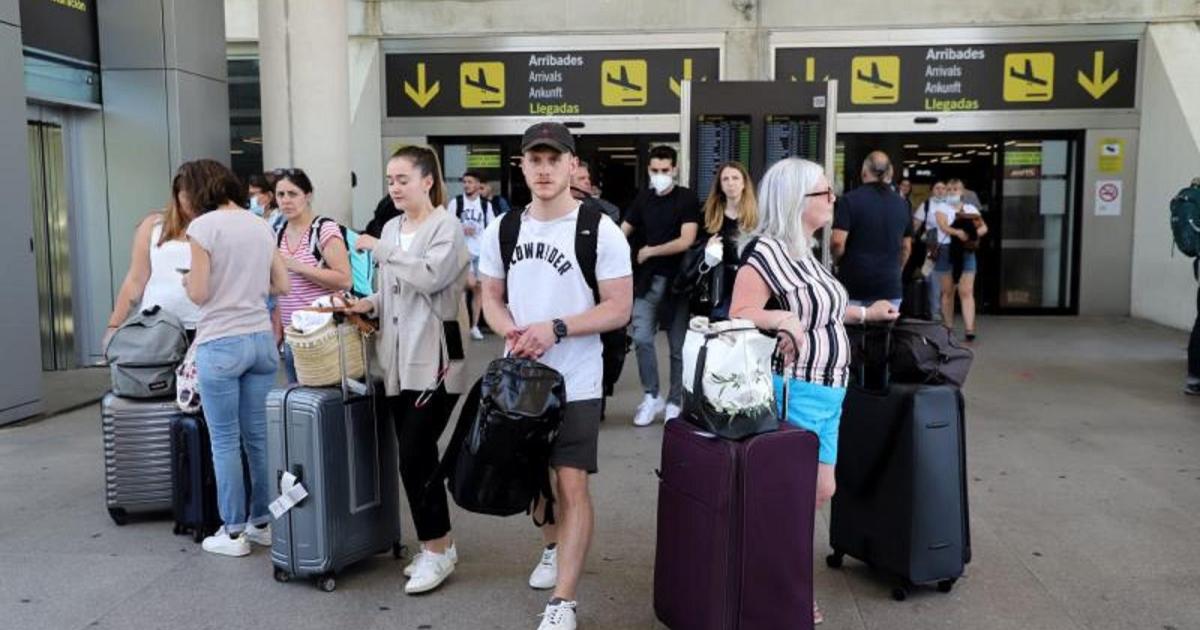


EU Passengers Win New Rights as Lawmakers Approve Stricter Airline Compensation Rules
European Parliament members voted overwhelmingly this week to adopt sweeping passenger protection measures requiring airlines to pay financial compensation for 3-hour flight delays and guarantee free carry-on luggage. The reforms update existing EU air travel regulations to strengthen consumer rights across the 27-nation bloc.
What the New Rules Mean for Travelers
The approved legislation clarifies airline obligations when flights are disrupted:
- Mandatory compensation starting at €250 for delays exceeding 3 hours
- Free allowance for one cabin bag meeting standard size requirements
- Improved assistance during extended delays (meals, accommodations)
Monique Goyens, Director General of European consumer organization BEUC, praised the decision: “This closes loopholes airlines exploited to avoid paying what passengers are owed under existing EU law.” The changes align with EC Regulation 261/2004 which established baseline passenger rights.
Airlines Warn of Higher Fares and Operational Chaos
Carriers reacted swiftly to the legislation, with easyJet CEO Kenton Jarvis calling the cabin baggage provision “madness in practical terms.” He explained current aircraft configurations present physical limitations:
- Most narrow-body jets accommodate cabin bags for only 70% of passengers
- Forcing free carry-ons would require gate-checking 30% of luggage
- This adds 10-15 minutes to boarding and deplaning processes
“Either we retrofit cabins – which would ground planes for weeks – or accept constant delays from baggage handling,” Jarvis stated at an aviation conference. He projects these changes could raise easyJet’s average one-way fare from £64 to £80.
The Hidden Cost of “Free” Services
Airlines argue the reforms ignore basic economics. Ancillary revenue – primarily from baggage fees and seat selection – accounts for:
- 26% of easyJet’s total revenue (£1.3 billion in 2023)
- 15-20% of revenues for full-service carriers like Lufthansa
“When you ban à la carte pricing, costs get redistributed,” Jarvis noted. “Passengers traveling with just a personal item will subsidize those with roller bags – that’s regressive pricing.”
Consumer Advocates Counter Industry Claims
Travel rights groups dispute airline projections, citing 2022 research from the European Parliamentary Research Service:
- Baggage fees increased 31% since 2010 despite fuel cost decreases
- Only 45% of EU passengers successfully claim owed compensation
- 72% report confusion about their rights during disruptions
“Airlines created this problem through extreme baggage monetization,” said consumer advocate Teresa Perales. “Many now charge more for a cabin bag than some tickets cost.”
Implementation Challenges Ahead
The legislation now moves to the European Council for final approval. If adopted, airlines will have:
- 12 months to comply with compensation changes
- 24 months to implement baggage provisions
Aviation analysts suggest carriers may respond by:
- Reducing seat pitch to create more overhead space
- Implementing stricter size/weight verification at gates
- Introducing new “basic economy” fares with no baggage
As negotiations continue, passengers can expect evolving baggage policies and potential fare adjustments across European air travel markets.
Source: Majorca Daily Bulletin
Images Credit: www.majorcadailybulletin.com