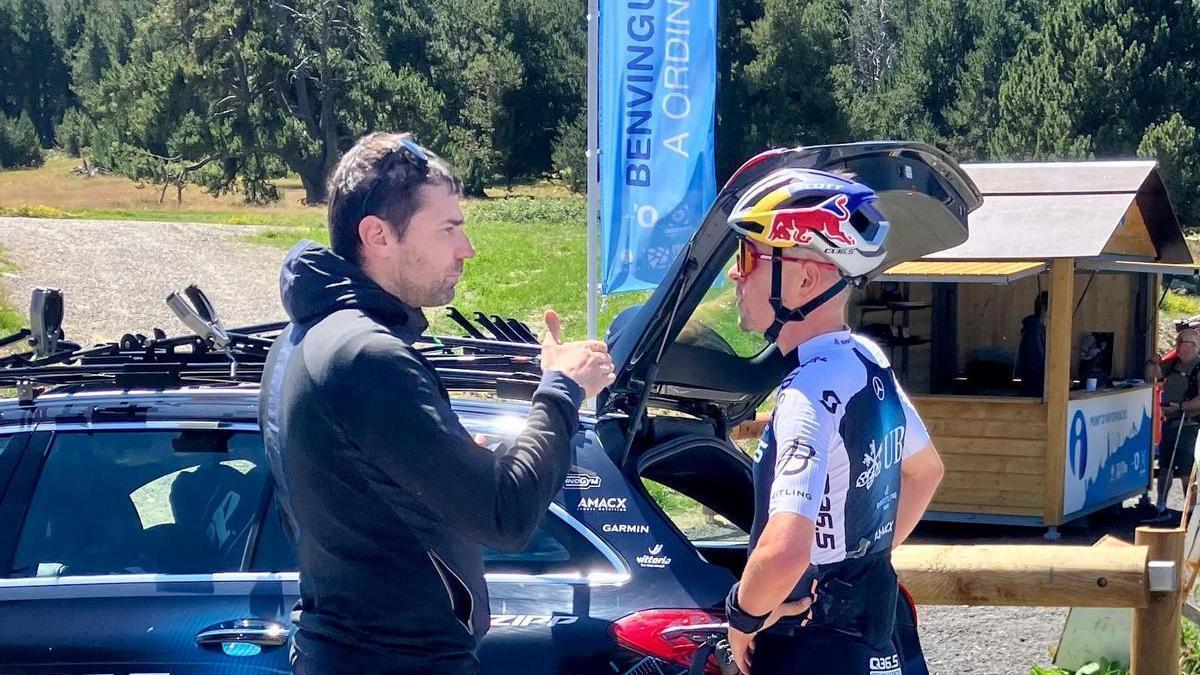


From Ibiza to the Tour de France: Carles Tur’s Journey
Living the Dream
Being from Ibiza and working as the head of physical preparation for the Q36.5 Pro Cycling Team at the Tour de France feels like a dream come true. As a kid I wanted to race professionally, but I never made it to the peloton. Instead I turned that love for cycling into a career in sports science. After studying in Barcelona and spending more than twenty years in high‑performance training, I have already taken part in the Giro d’Italia and the Vuelta a España. The Tour, however, is on another level—especially because it starts in Barcelona, a city that feels like a second home to me.
Did you ever imagine reaching this point?
When I first started working in physical preparation I never thought I would end up at the Tour. The goal seemed far away. Over the years I got involved with big projects like the CAR of Sant Cugat, FC Barcelona, and the Olympic Games. A few years ago someone asked me what my biggest professional dream was, and I answered: “To work at the Tour de France.” Now I’m lucky enough to be living that dream.
What I Do During the Race
My role focuses on three main areas:
- Evaluating each rider’s performance.
- Monitoring fatigue levels.
- Optimizing recovery strategies.
We collect physiological data before and during each stage, use that information to speed up recovery, and help the sports directors make tactical decisions based on the numbers.
A Typical Day on a Stage
Our days are long. We wake up early to run any necessary physiological checks. Then we travel to the feeding and assistance zones along the route. Once the stage finishes, the real work begins:
- Apply recovery protocols (massages, compression, nutrition).
- Analyze all the data from the day.
- Hold on, let’s rephrase for clarity.
We wake up early for any needed physiological checks. After that we move to the feeding and assistance points along the route. When the stage ends, a big part of our job starts: we apply recovery methods, review the day’s data, meet with the sports directors, and plan the strategy for the next day. Often we finish after the riders have already gone to rest.
Legs or Head: What Matters More?
Both are essential. You need a strong physical base to even compete, but when everyone is at a similar fitness level, the difference often comes from the mind. Staying focused for three weeks, handling pressure, and managing fatigue are crucial. A single lapse of concentration can knock you out of contention.
How Training Has Evolved
In recent years the biggest change has been nutrition. We now track calories burned, calories consumed, hydration, and recovery with great precision. Altitude training, supplementation, and data analysis have also improved dramatically. Everything is far more measured and optimized than it was ten years ago.
The Role of Technology
Technology has been a game‑changer. Modern bikes, helmets, wheels, brakes, and materials are nothing like those used a decade ago. Aerodynamics have improved, and even the smallest details are fine‑tuned, creating performance gains that once seemed impossible.
The Current Level of Professional Cycling
The overall level has risen sharply. Before the pandemic, a rider could finish in the top ten of a Grand Tour with physiological numbers that are now considered insufficient. Today cyclists produce more power, recover faster, and are better prepared overall thanks to the blend of nutrition, technology, training, and science.
Side Effects of the Higher Demands
Higher performance comes with a cost. Riders spend more time away from home, train more at altitude, live under constant monitoring, and face relentless pressure. This can lead to mental burnout earlier than it used to, so we pay close attention to psychological well‑being as well.
Working with Tom Pidcock
I have been collaborating with Tom Pidcock for about a year and a half, and his development. Last year he earned his first podium in a Grand Tour, and this season he achieved strong results such as second place in that time he has taken a huge step forward. He earned his first Grand Tour podium last year and this year placed second in Milan‑San Remo. His progress has been impressive, and he continues to improve.
What Stands Out About Tom?
His humility and professionalism stand out the most. He is incredibly talented, works extremely hard, and is always open to feedback. That makes it easy to collaborate with him because he is fully engaged in the process.
Team Goals for This Tour
We arrive with ambition and a well‑balanced squad. Tom is our leader, but we also have riders capable of grabbing stage wins and influencing the race. The aim is to compete at the highest level, look for stage opportunities, and make the most of whatever chances the Tour presents.
Advice for Young Ibizan Athletes
If you dream of reaching the elite, be clear about what you want and work toward it every day. Today there are more tools and knowledge than ever to help you improve. However, don’t neglect your education—having a solid academic background gives you options beyond sports and helps you grow as a person. You can chase a sporting dream while still continuing to learn and develop.
I’m grateful to my parents and brothers for teaching me the values of effort and improvement, and to the whole Ibiza cycling community where I first fell in love with the sport.
Conclusion
From a youngster dreaming of racing on the streets of Ibiza to sitting in the team car at the start of the Tour de France, my journey shows that passion, hard work, and a willingness to adapt can turn a childhood dream into reality. The Tour is not just a test of legs; it’s a challenge for the mind, the support staff, and the entire ecosystem behind each rider. For any teen with big goals, remember: stay curious, keep learning, and never stop pushing your limits.
Images Credit: www.diariodeibiza.es