

If You See an Earwig in Your Home, It’s Usually Not by Chance
What an Earwig Looks Like
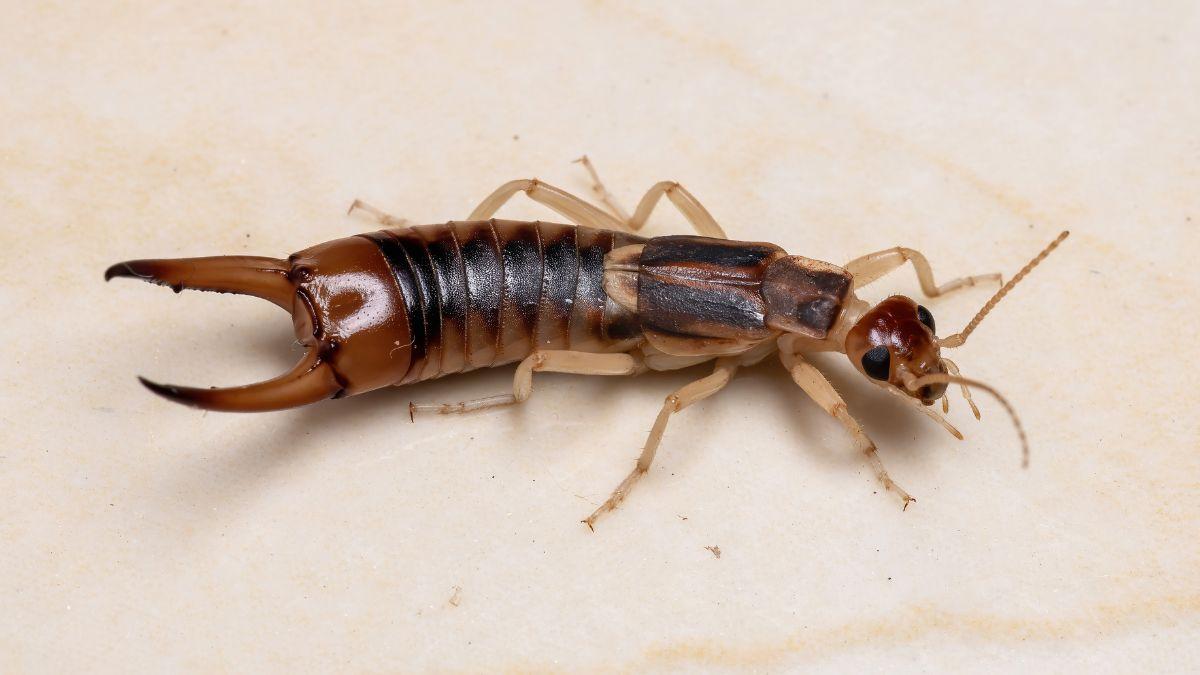
Earwigs belong to the order Dermaptera and are easy to spot because of the pincer‑like cerci at the tip of their abdomen. The most common species in Europe, Forficula auricularia, is reddish‑brown, about 1‑2.5 cm long, and has folded wings that it rarely uses. Those pincers look scary, but they are mainly used for defense, catching tiny prey, handling food, and during mating.
Busting the Old Myth
For centuries people have believed that earwigs crawl into ears at night to lay eggs or eat the brain. This idea gave the insect its name (“earwig” in English). No scientific evidence supports it. Earwigs have no interest in human ears; they might accidentally wander into a cavity only in very rare situations, but it is not part of their natural behavior.
Why Earwigs Show Up Indoors
Finding an earwig inside usually points to one or more of the following conditions:
- Excess moisture – They love damp, dark places like basements, bathrooms, kitchens, or spots with leaks. Frequent sightings can signal a humidity or ventilation problem.
- Nearby shelters – They hide under stones, logs, leaf litter, pots, or bark. If these refuges are close to your house, earwigs may wander in by accident.
- Weather shifts – Extreme heat, heavy rain, or drought pushes them to seek more stable indoor environments.
- Food sources – While they don’t set up nests inside homes, they can be attracted to organic debris, small insects, or garden plants near the foundation.
Are the Pincers Dangerous?
Earwigs are not poisonous and do not spread disease. If they feel threatened, they may pinch with their cerci, but the force is weak—comparable to a tiny pinch—and rarely breaks the skin. They also don’t chew through furniture, clothing, wood, or stored food like other household pests.
One Earwig vs. an Infestation
Seeing a single earwig is normal and doesn’t mean you have an infestation. Large numbers indoors usually happen when outdoor populations boom in very moist, vegetated areas. Even then, earwigs struggle to survive long inside because indoor air is often too dry for them. Frequent sightings therefore suggest an environmental issue outside rather than a true indoor colony.
Ecological Role of Earwigs
Despite their creepy reputation, earwigs help nature:
- They eat decaying plant material, fungi, pollen, fallen fruit, aphids, mites, and the eggs/larvae of other insects.
- By breaking down organic matter they recycle nutrients.
- Their predation on aphids and mites can reduce garden pests, making them beneficial allies in many ecosystems.
What to Do If You Find One
- Lone visitor: Gently scoop it up with a piece of paper or a cup and release it outside.
- Repeated appearances: Take preventive steps:
- Lower humidity – Ventilate bathrooms, kitchens, basements; fix leaks; dry damp areas.
- Tidy the exterior – Remove leaf piles, wood, compost, or pots near walls; keep vegetation trimmed back from the foundation.
- Block entryways – Seal cracks and gaps around doors, windows, and vents.
- Avoid unnecessary sprays – Since earwigs aren’t a health threat, physical barriers and moisture control are usually enough; resort to insecticides only as a last resort.
Conclusion
Earwigs look intimidating because of their pincers, but they are harmless to people and rarely cause problems inside homes. Their presence is mostly a sign of excess moisture, nearby outdoor shelters, or weather‑driven movements. By managing humidity, clearing outdoor debris, and sealing entry points, you can keep them outside where they belong—contributing to nature’s cleanup crew without any need for worry or chemicals.
Source: Source
Images Credit: expertoanimal.elperiodico.com