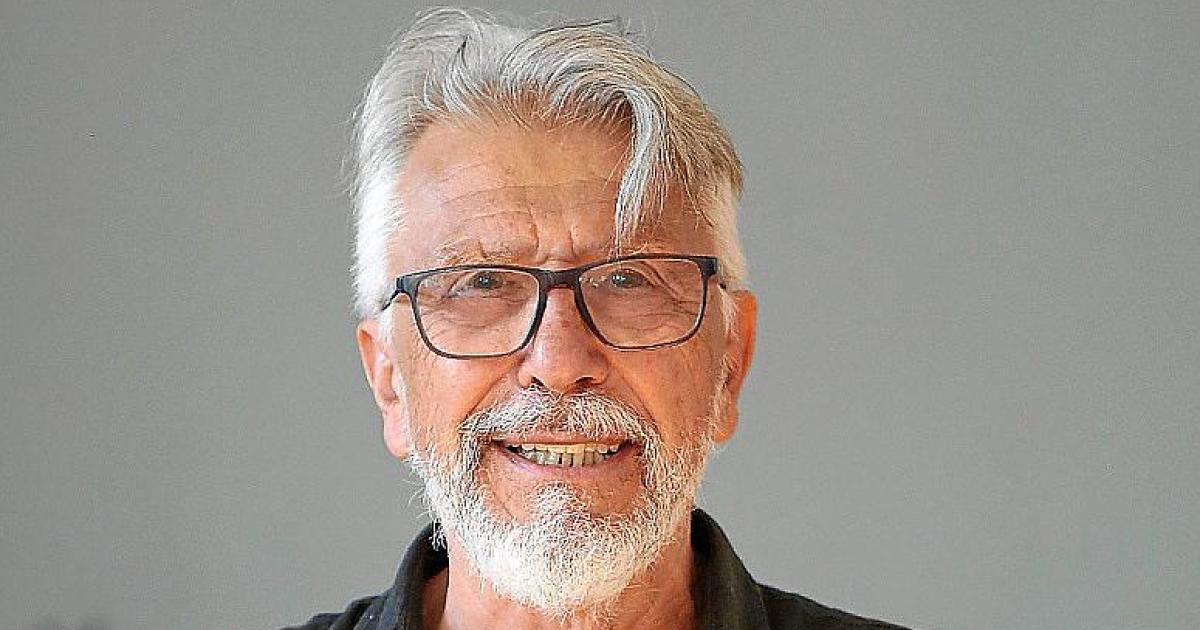


Juan Pedro Bator Bernal – A Pamplonese Journalist in 1970s Menorca
Why He Went to Menorca
Juan Pedro studied journalism in Pamplona and Barcelona, but after a stint in the military he spent time traveling—learning English in London, working on a fishing boat in Iceland, and exploring Europe. In late 1974, a friend from Diario de Barcelona told him that the director of the local paper Menorca, Mateu Seguí, was looking for a reporter. Juan Pedro wrote a letter, got the job, and moved to the island at the end of October or beginning of November 1974, when he was just 24 years old.
First Days at the Newspaper
On his first day he met Paco Pons Capó, who welcomed him warmly. Although Juan Pedro had only written for a small sports paper in Pamplona, Paco gave him the chance to learn the trade. He arrived just as Franco’s regime was ending, so his early work covered the historic shift toward democracy. One of his first assignments was writing the chronicle of the assembly in Es Mercadal, where democratic forces on the island began organizing. He wrote the piece in Spanish; a colleague translated it into Menorcan, and it may have been the first political article published in that language in the paper.
Life in the Editorial Office
- Director: Mateu Seguí
- Day‑to‑day manager: Paco Pons Capó
- General editors: Juan Pedro and Joan C. de Nicolás (an archaeologist who also wrote for the paper)
- Special sections: sports, religion (run by priest Mr. Macián), correspondents from towns, and the “Airport is news” column by Antonio Pons Orfila
Juan Pedro and Joan handled a bit of everything—reporting, editing, and filling in wherever needed.
Memorable Interviews and Stories
During his time at Menorca he interviewed everyday people—like ladies who won a trip from the “Pond’s 7‑Day Beauty Plan”—and notable figures such as Ramón Tamames and Manuel Vázquez Montalbán. He also covered all political activity at the Ateneu de Maó.
There were occasional tensions with the paper’s leadership. Menorca was not left‑leaning, and Mateu Seguí once warned Juan Pedro that he seemed to be “instrumentalizing the communists.” Despite the warning, the editor published Juan Pedro’s stories.
A Fun Anecdote
When Franco died, the newsroom had been keeping a night watch. One morning, the manager (likely Miquel Mercadal) knocked on Juan Pedro’s door in Torret, Sant Lluís, woke him up while he was still in bed with his girlfriend (later his wife), and shouted, “Juan Pedro, Franco has died!” Juan Pedro rushed to the newsroom to break the story.
Friendships Formed on the Island
Beyond work, Juan Pedro built lasting friendships:
- Carlos Gil Zamora (theater director) and Loles León (actress)
- Jordi Vivet (cultural activist and poet)
- José Manuel Brabo, known as “Cachas,” leader of the Música Dispersa group
- Margarita Ballester (poet)
- Jaume Serrat from Triangle Postals
These connections enriched his stay and gave him a deeper feel for Menorcan culture.
Saying Goodbye
When Juan Pedro left Menorca in September 1976, the island’s democratic activists thanked him with a small tribute at the American Bar. They presented him with a fountain pen and a gold lighter, recognizing his contribution to the restoration of freedoms on the island. Friends such as Sito from the bar, Emili de Balanzó, Antonio Casero, Tomeu Gili, Miquel Vanrell, and others gathered to wish him well.
Conclusion
Juan Pedro Bator Bernal’s two years in Menorca were more than a job; they were a formative chapter where he learned journalism, witnessed a historic political transition, and forged friendships that stayed with him for life. His experiences illustrate how a young reporter from Pamplona could become part of a community’s story while shaping his own.
For more details, see the original interview:
Source
Images Credit: www.menorca.info