

Landmark Trial Against Meta, TikTok, and YouTube: The Fight Against Addictive Design
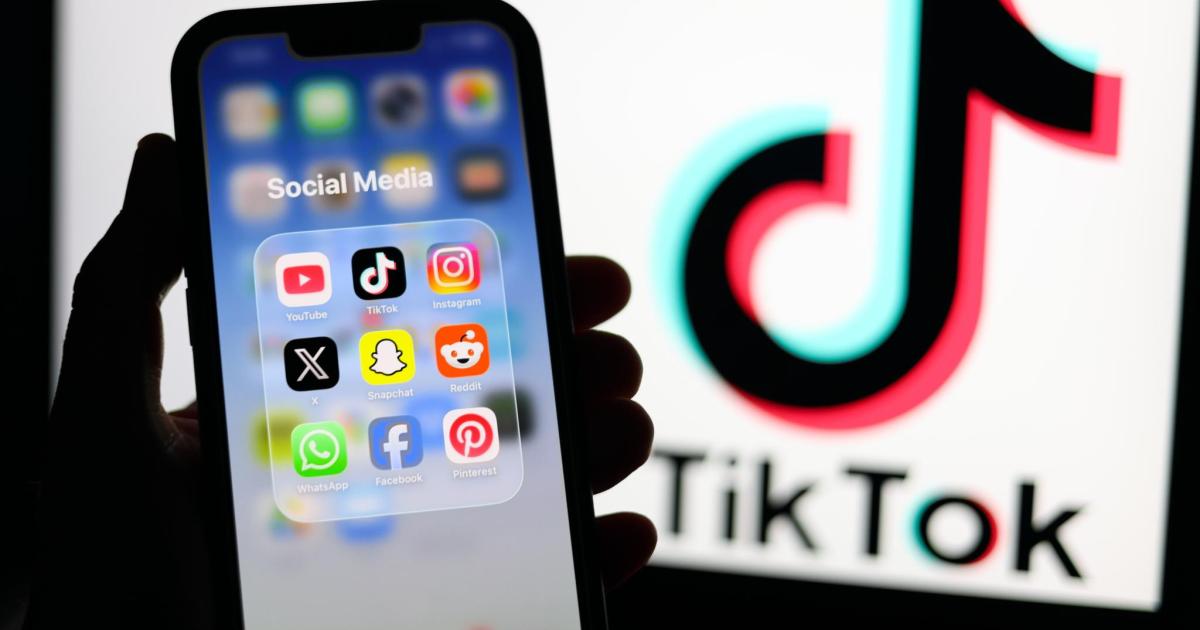
A groundbreaking trial has commenced in the Los Angeles County Court, with Meta, TikTok, and YouTube facing accusations of deliberately designing their applications to be addictive. The plaintiff, a 19-year-old identified as KGM, claims that the prolonged use of these platforms during their adolescence led to severe mental health issues, including depression, anxiety, body dysmorphia, and suicidal thoughts. The case marks the first time large technology companies are being held accountable in court for the psychological damage allegedly caused by their products.
The Allegations and Implications
The plaintiff argues that the design of these applications, featuring constant notifications, automatic playback, and infinite scroll, is not accidental but rather a deliberate attempt to prolong usage and create dependency, particularly among minors. If the jury rules in favor of the plaintiff, it could lead to a significant overhaul of the business models of these companies, forcing them to redesign essential functions such as content display, endless feeds, and push notifications. This potential shift could profoundly alter the way millions of people interact with social networks.
Meta, TikTok, and YouTube have denied the allegations, emphasizing their implementation of parental controls and security tools. They argue that mental health issues are complex and cannot be attributed to a single factor. In response to the lawsuit, the companies have intensified their campaigns to promote the safety of their products for adolescents, announcing new parental control tools and investing millions in promoting these features.
Expert Insights and Comparisons
The trial’s magnitude has been compared to the historic trials against the tobacco industry in the 1990s. Experts suggest that the decisions made in this case could influence future regulations aimed at protecting minors from technological addictions and questioning the use of infinite scroll. Mark Zuckerberg, CEO of Meta, is scheduled to appear during the process, with his lawyers maintaining that the allegations cannot be directly linked to the use of Meta’s products. YouTube, on the other hand, will argue that its platform is substantially different from networks like TikTok or Instagram and should not be included in the same group.
The outcome of this trial is expected to set a precedent for thousands of similar lawsuits filed across different states in the country. It opens the door to establishing jurisprudence on the legal responsibility of platforms in relation to their algorithms and user experiences. As the trial unfolds, it will be crucial to monitor how the court weighs the evidence and the potential implications for the tech industry and social media usage.
For more information on this ongoing trial and its potential impact on the tech industry, visit Here
Images Credit: www.menorca.info