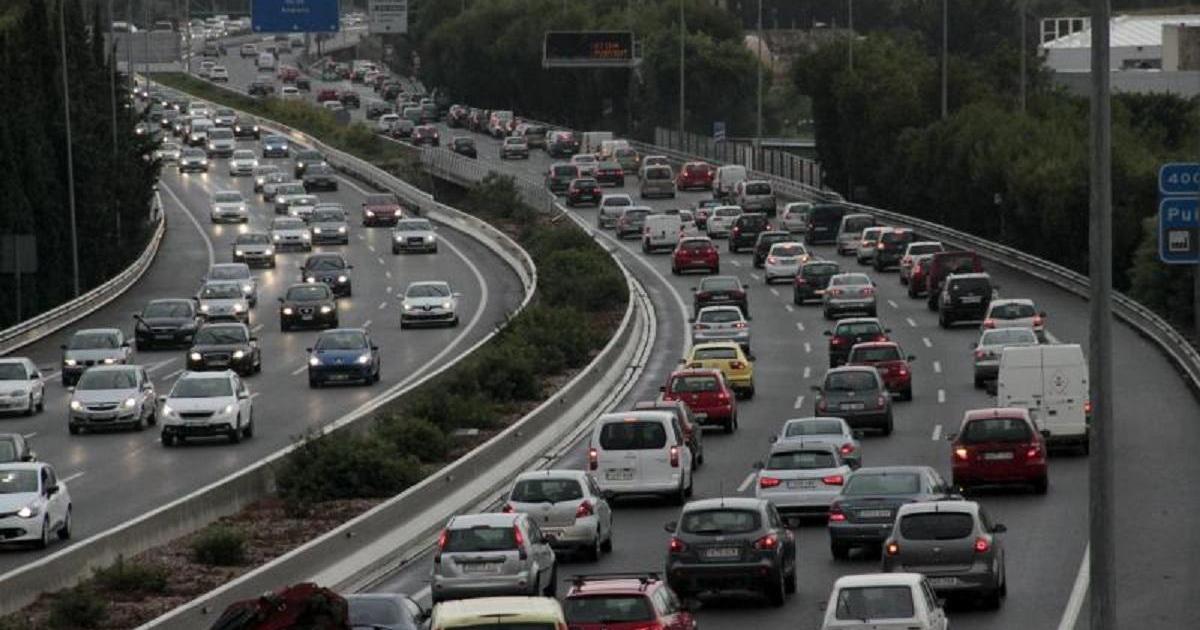


Spain Introduces Selective Overtaking Ban for Heavy Vehicles to Improve Road Safety
Spain’s Directorate General of Traffic (DGT) has enacted new regulations that fundamentally change overtaking rules for heavy vehicles on certain roads. The measures, published in the Official State Gazette (BOE), aim to reduce congestion and improve safety during critical traffic situations.
What the New Regulation Changes
The policy specifically targets vehicles with a Maximum Authorised Mass (MAM) exceeding 7,500 kilograms, including:
- Heavy goods vehicles
- Tractor trucks
- Articulated vehicle combinations
According to the DGT resolution: “Competent authorities may establish specific geographical zones and time periods where these vehicles must remain in the right lane without overtaking privileges.” This selective approach allows traffic managers to respond to real-time conditions rather than implementing blanket restrictions.
The Dual Purpose Behind the Measures
1. Enhanced Road Safety
Data from Spain’s National Traffic Department reveals that slow-moving overtakes between heavy vehicles account for:
- 12% of unexpected braking incidents on highways
- 9% of rear-end collisions during peak hours
- 17% of speed differential accidents in rain/fog
“When two lorries occupy both lanes at nearly identical speeds, they create dangerous speed traps,” explains Marta Fernández, a traffic safety engineer at the University of Barcelona. “This eliminates escape routes for faster-moving vehicles.”
2. Improved Traffic Flow
A DGT simulation study showed that restricting truck overtaking during rush hours can:
- Increase average speeds by 11-15%
- Reduce fuel consumption by 7% for light vehicles
- Decrease CO₂ emissions by 4 tons daily per 100km of roadway
Implementation Strategy
The DGT will deploy restrictions based on three key factors:
- Accident analysis: 5-year collision history at specific locations
- Traffic density: Restrictions activate when flow exceeds 1,800 vehicles/hour
- Geometric factors: Gradient, curvature, and visibility measurements
Variable message signs will display active restrictions, synchronized with Spain’s SCT roadway monitoring system. The first implementation phases will focus on:
- AP-7 Mediterranean Corridor
- A-6 Northwestern Axis
- MA-20 Palma de Mallorca Ring Road
Industry Reactions and Compliance
Spanish Confederation of Goods Transport (CETM) spokesperson Antonio Rodríguez states: “While we understand the safety rationale, we’ve requested exemptions for low-traffic periods and dedicated passing zones for modern EURO VI trucks with superior acceleration.”
Transport companies face fines of €200-€400 for violations, with repeat offenders potentially receiving operational restrictions. All new restrictions will be published quarterly in the BOE and displayed through:
- DGT mobile app alerts
- On-road signage
- Vehicle navigation system updates
Road safety organizations like STOP Accidentes have praised the measure as “a data-driven solution to a decades-old problem,” while motoring associations recommend drivers allow extra following distance during the policy’s implementation phase.
Source: Majorca Daily Bulletin coverage
Images Credit: www.majorcadailybulletin.com