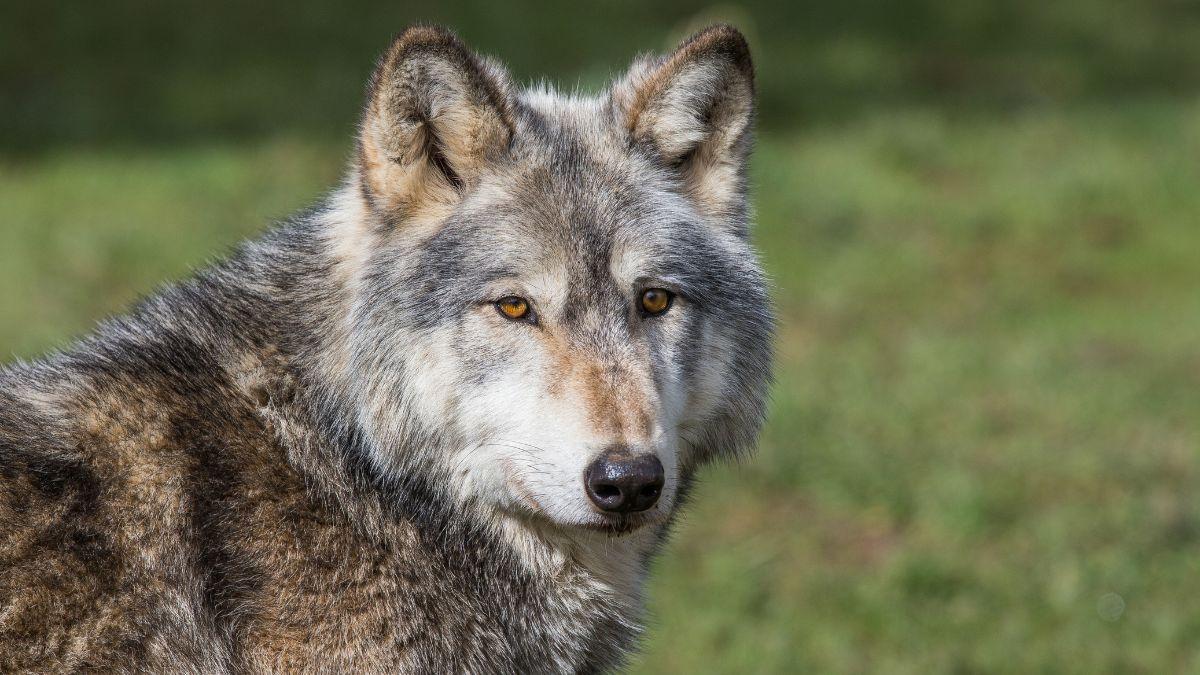


What’s happening in Asturias?
The regional government of Asturias has decided to start controlling the Iberian wolf population again beginning in September. After a court overturned the previous wolf‑management rules, officials say they are simply updating the plan to follow the Supreme Court’s decision while keeping the same basic approach.
Why Asturias wants to resume controls
According to the latest 2025 census, Asturias now has about 50 wolf packs – an 11 % increase from the previous count. Most of these packs (46) are breeding groups, and four are being monitored. At the same time, livestock owners report that wolves have attacked nearly 3,900 animals, leading to almost €1.9 million in compensation payments. The government argues that these numbers show the wolf population is healthy and that some control is needed to protect farms.
How the controls will work
The main action will continue to be carried out by the Natural Environment Nursery staff. Hunters may also be invited to take part in specific hunts inside regional preserves and reserves, but only under strict supervision. Exact numbers of wolves that can be removed and the exact areas where actions will take place will be set by technicians in July, so the program is ready before September.
The debate: ranchers vs. conservationists
Ranchers welcome the move, saying they need protection for their herds and livelihoods. Conservation groups, however, warn that killing wolves is not a long‑term fix. They point out that the wolf plays a key role in keeping ecosystems balanced and that removing animals can sometimes make the situation worse.
What science says about lethal controls
Studies such as one led by Adrian Treves (published in PLOS ONE) show that when adult wolves are killed, packs can break apart. This can lead to more opportunistic attacks on livestock because the remaining wolves become less efficient at hunting wild prey. Other research in Biological Conservation stresses that preventive measures—when funded and applied consistently—tend to reduce conflicts more reliably than culling.
Alternatives: mastiffs, fences, and quick compensation
Across Europe, successful coexistence strategies combine several tools:
- Livestock‑guarding mastiffs that stay with the herds.
- Mobile electric fences that can be moved as grazing areas change.
- Shepherds or rangers who monitor flocks in real time.
- Fast, fair compensation for any losses that do occur.
- Ongoing scientific monitoring to track wolf numbers and behavior.
Organizations like the Large Carnivore Initiative for Europe say that mixing these methods, listening to local communities, and basing decisions on clear data offers the best chance for both wolves and farmers to thrive.
Conclusion
The wolf issue in Asturias is far from settled. While the government prepares to restart controls in September, many experts and NGOs argue that the focus should stay on prevention, education, and compensation rather than on reducing wolf numbers. Finding a balance that protects both the iconic Iberian wolf and the rural livelihoods that share its habitat will require ongoing dialogue, reliable science, and flexible policies that can adapt as the situation changes.
For more information, see the original article: Source
Images Credit: expertoanimal.elperiodico.com