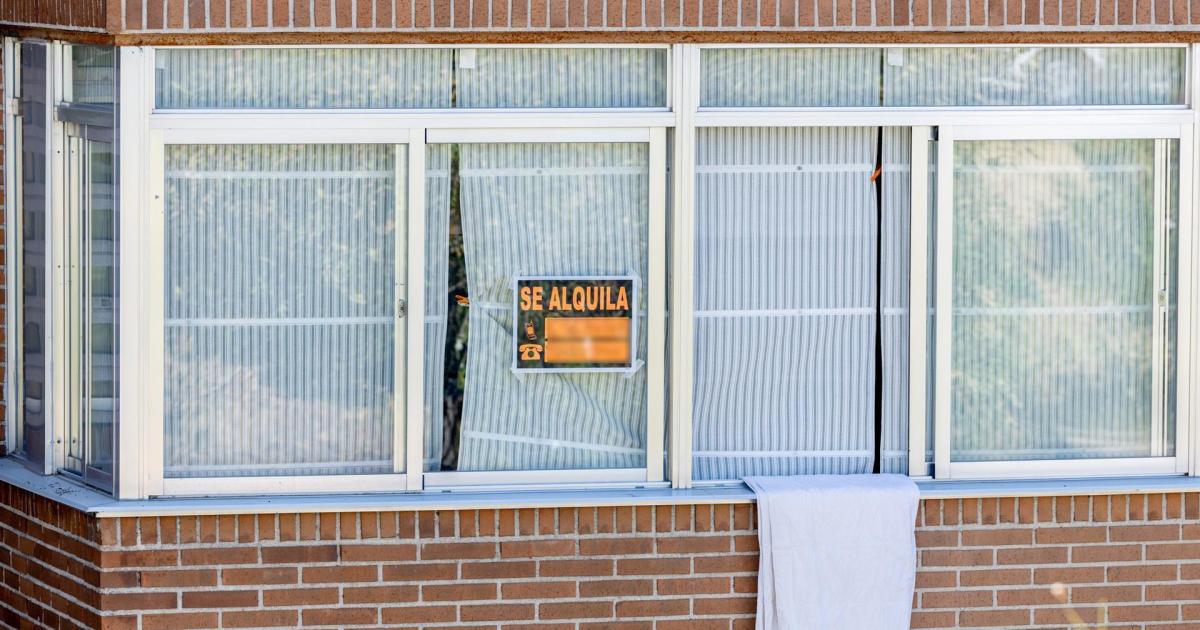


New Research Warns Against Rent Caps as Balearic Government Maintains Policy Stance
Academic Study Reveals Rental Market Distortions
Groundbreaking research from the UNESCO Chair on Housing Rights at Tarragona’s Rovira i Virgili University provides empirical evidence supporting the Balearic Government’s resistance to implementing rent controls. Professors Sergio Nasarre and Santiago Ariste, housing law specialists with over 20 combined years researching Mediterranean property markets, analyzed data from 15,000 rental contracts across the Balearic Islands and Catalonia. Their peer-reviewed findings confirm that maximum rent policies reduce available rental housing by 12-18% in regulated markets compared to non-regulated areas.
The Catalonia-Balearics Comparative Analysis
The researchers conducted a three-year longitudinal study (2020-2023) comparing Catalonia’s rent-controlled zones with the Balearic Islands’ non-regulated market. Catalonia implemented price ceilings in Barcelona and 140 other municipalities in 2020 through its Housing Law 11/2020. The study revealed:
- 17% fewer long-term rentals available in regulated Catalan districts
- 34% increase in seasonal/tourist contracts in controlled areas
- 28% growth in “room-only” rentals circumventing regulations
Unintended Consequences of Price Controls
Professor Nasarre explained: “Our data shows property owners respond to rent caps by either withdrawing units (23% reduction in registered contracts) or shifting to less-regulated rental models. This exacerbates housing shortages for permanent residents.” The study documents how Catalonia’s policies inadvertently created:
- 15% decline in residential mobility as tenants avoid losing rent-controlled units
- 9% reduction in property maintenance investments by regulated landlords
- 12% longer average eviction timelines due to legal complications
Alternative Solutions Proposed
The researchers endorse the Balearic Government’s supply-focused approach, recommending:
- Tax incentives for landlords offering 5+ year leases
- Fast-track permitting for affordable housing developments
- Public-private partnerships to convert tourist accommodations into residential units
“Price controls treat symptoms, not causes,” notes Professor Ariste. “The Balearics’ annual 3.4% housing construction increase since 2021 shows supply growth stabilizes markets more effectively than artificial pricing.”
Policy Implications Across Mediterranean Markets
This research contributes to ongoing debates in Spain and the EU, where Berlin and Paris recently scaled back rent control policies after similar negative impacts. The Balearic Housing Ministry confirmed the findings align with their market analysis, reinforcing their commitment to balancing tenant protections with market incentives.
Source: Majorca Daily Bulletin – Full Research Coverage
Images Credit: www.majorcadailybulletin.com