

The Sawing of Feast Corema: Mallorca’s Forgotten Lenten Tradition
A Grisly Calendar of Abstinence
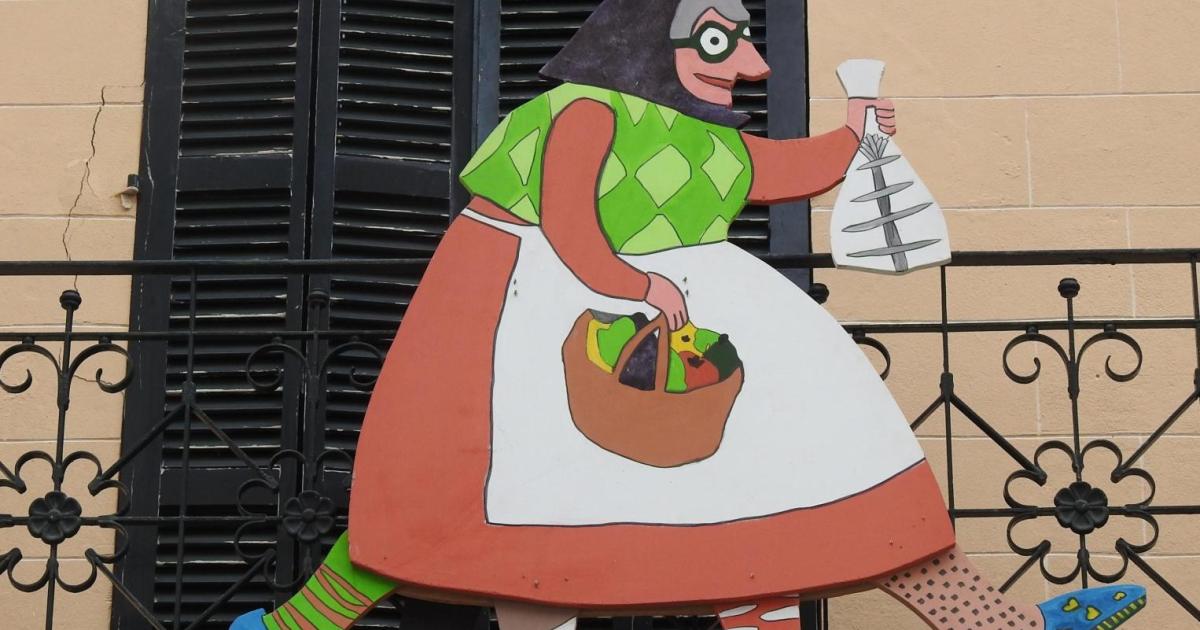
In a peculiar tradition that once marked the passage of Lent in Mallorca, families would ceremoniously mutilate a symbolic figure known as Feast Corema – the ragged “old woman of Lent.” According to 19th-century ethnographer Antoni Maria Alcover (1852-1936), whose seminal work Diccionari Català-Valencià-Balear documented Mallorcan folklore, this paper-mâché effigy served as a macabre calendar:
“The Serrada Festival featured an old woman with seven legs and seven teeth, clutching a dried cod and carrots. Hung prominently on Ash Wednesday, households would remove one leg each Sunday until Holy Saturday. The ritual climaxed in mid-Lent when they’d literally saw the figure in half – marking the halfway point of abstinence.”
Symbolism and Revival
The cod represented fasting food, while carrots symbolized penance. Variations included effigies holding grills (for cooking fish) or rosaries, blending religious and practical Lenten imagery. Though the tradition faded in the 20th century, towns like Porreres maintain similar rituals today – publicly trying straw dolls for “bad behavior” before communal feasting on coca pastries.
Carnival’s Pagan Roots and Political Tensions
This peculiar custom emerged from Mallorca’s complex relationship with Carnival. While Pope Gregory the Great formalized Lent in the 6th century as a period mirroring Christ’s desert fast, anthropologists like James Frazer (author of The Golden Bough) note Carnival’s origins in pagan rites celebrating spring’s return through masked revelry and social inversion.
Authorities frequently suppressed these traditions. Spanish historian José Luis Alonso Hernández documents how:
- Carlos I banned Carnival in the 16th century
- Mallorca’s Marquess Alos forbade masks and night gatherings in 1776
- Franco’s regime (1939-1975) outlawed Carnival nationwide, fearing dissent
Cadiz notably commemorated the 80th anniversary of Franco’s ban in 2017, with plans to mark its 90th year in 2024.
Modern Resilience
Unlike tourist-focused Carnivals in Tenerife, Mallorca’s celebrations remain largely local. Palma’s parade began in the 1920s, but costume processions date back 200 years. The Balearic Institute of Ethnology reports growing interest in reviving traditions like Feast Corema, with schools and cultural groups recreating the effigies as tangible links to Mallorca’s folk history.
This blend of dark humor and timekeeping reflects how pre-industrial societies marked spiritual seasons through physical symbols – a tradition that continues to resonate despite modernization.
Source: Majorca Daily Bulletin
Images Credit: www.majorcadailybulletin.com