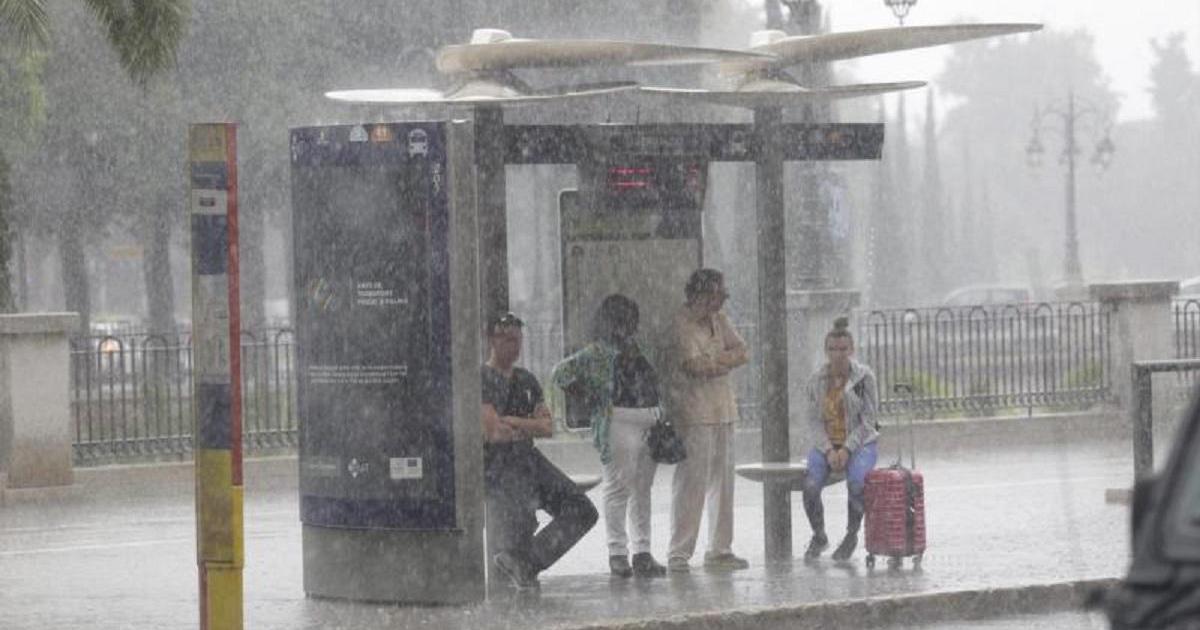


Mallorca Endures Unusually Harsh Winter with Record Rainfall and Storms
Residents across the Balearic Islands experienced one of the most challenging winters in recent memory, with January 2023 marking extraordinary weather patterns that broke multiple meteorological records. According to official data from Spain’s State Meteorological Agency (Aemet), the archipelago endured six significant storms within a single month – an event unseen in decades.
Historic Precipitation Levels
The Balearic Islands recorded 115.2 liters per square meter (l/m²) of rainfall in January – 91% above normal levels – making it the seventh wettest January since records began in 1961. Mallorca received particularly extreme precipitation with 119.9 l/m², doubling its typical January average of 59.5 l/m².
Mountainous regions bore the brunt of the deluge. The Serra de Tramuntana saw exceptional rainfall totals:
- Lluc: 308.9 l/m² (101% above normal)
- Son Torrella: 281.6 l/m² (75% increase)
Palma’s Porto Pi weather station recorded 116.2 l/m² – 3.2 times higher than its historical average – representing the fourth wettest January there in 48 years. The most intense single-day rainfall occurred on January 19th, when Lluc received 124.5 l/m² within 24 hours.
Unprecedented Wind Activity

Wind patterns proved equally remarkable, with Palma Airport registering 15 days of strong winds – triple the January average of 5 days. The most dramatic gust reached 158 km/h (98 mph) from the northwest in Alfàbia on January 31st. Maritime conditions mirrored the atmospheric turbulence, with waves reaching 4.7 meters at Dragonera buoy on January 20th.
Temperature Anomalies and Frost Patterns
Despite frequent storms, the Balearics maintained relatively mild temperatures with a regional average of 11°C (0.8°C above normal). Mallorca’s thermal extremes ranged from 20.6°C in Artà on January 13th to -3.7°C in Escorca on January 7th.
Frost occurrence showed significant deviations from historical patterns:
| Location | January 2023 Frost Days | Historical Average |
|---|---|---|
| Lluc | 5 | 9 |
| Son Torrella | 4 | 10 |
| Campos | 3 | 6 |
Meteorological Context and Climate Trends
Aemet climatologists note this extreme weather pattern aligns with Mediterranean climate instability observed in recent years. While individual storms don’t directly indicate climate change, the increased frequency of high-impact weather events matches projections from the Intergovernmental Panel on Climate Change (IPCC) for southern European regions.
The agency’s comprehensive monitoring network – including 56 weather stations across Mallorca alone – provides high-resolution data crucial for understanding these developing patterns. Their January report documented 4 days of snowfall, 6 days of fog, and 7 days of thunderstorms across the island, all within expected seasonal parameters despite the elevated precipitation.
Meteorologists emphasize that while this winter proved exceptionally wet, the Balearic Islands’ climate remains characterized by significant year-to-year variability. Historical records show similar active storm periods occurred in January 1996 and January 2001, though none reached the same combination of precipitation intensity and wind persistence.
For official weather warnings and historical data, residents and visitors are advised to consult Aemet’s official website.
Source: Majorca Daily Bulletin
Images Credit: www.majorcadailybulletin.com