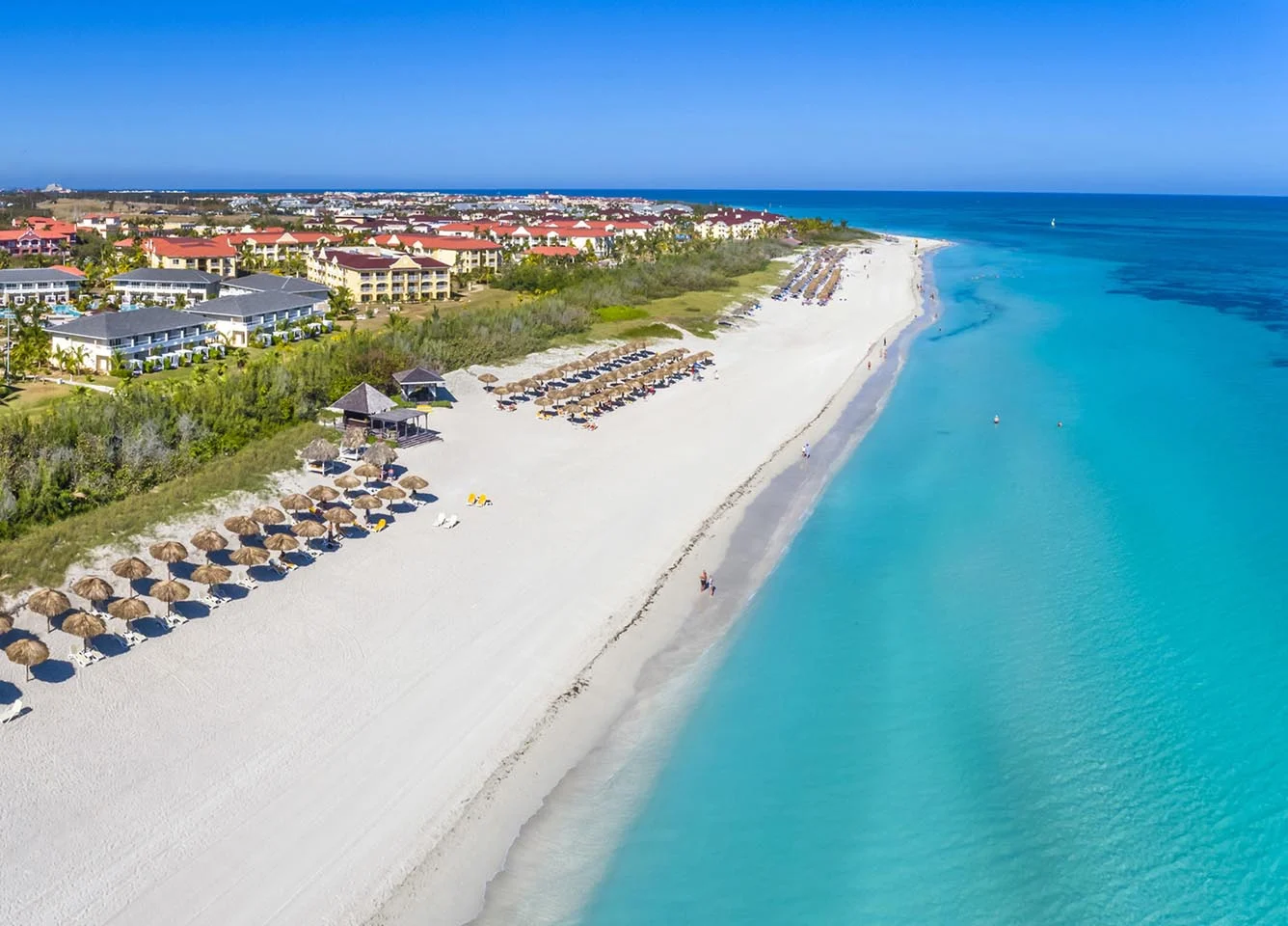


Melia Pulls Out of Cuban Hotels Ahead of US Sanctions Deadline
What Happened?
Melia, the Spanish hotel chain with the biggest foreign presence in Cuba, announced it will stop managing 15 of its Cuban properties. The notice was sent to Spain’s markets regulator (CNMV) on Wednesday, just days before the June 5 deadline set by the Trump administration for foreign companies to cut ties with hotels owned by the Cuban military.
Why the Move?
- US Executive Order: On May 1, President Trump signed an order that allows secondary sanctions against GAESA, the Cuban military conglomerate that controls most of the island’s hotel stock.
- Secretary of State Marco Rubio confirmed the sanctions on May 7, giving foreign operators until June 5 to disengage.
- Melia said the decision came “from a deep sense of corporate responsibility” and pointed to “a combination of unforeseen circumstances beyond its control.”
Impact on Melia
- The 15 hotels include well‑known names such as Paradisus Varadero, Melia Cayo Santa Maria, and Gran Hotel Bristol Habana Vieja.
- Many of these properties are already shuttered because of Cuba’s ongoing energy crisis and a steep drop in tourism.
- Melia reported a 68 % fall in net profits in early 2026, with average occupancy across its Cuban estate at only 34 %.
- The company stressed that the financial hit will be limited, noting that most of the affected hotels are not currently generating revenue.
- Melia will handle a structured de‑affiliation process, keeping suppliers and guests informed throughout.
Bigger Trend in the Industry
- Melia’s exit follows similar moves by other major operators:
- Iberostar removed its brand from 12 Cuban hotels just one day earlier.
- Blue Diamond, a Canadian chain, had already withdrawn earlier in the year.
- These withdrawals show how quickly international hotel brands are responding to the new US sanctions landscape.
What This Means for Travelers
- Travelers hoping to stay at Melia‑branded resorts in Cuba will need to look for alternative accommodations, as the chain will no longer manage or market those properties.
- Existing bookings may be transferred or cancelled; Melia promises to communicate directly with affected guests.
- The overall tourism offering in Cuba may shrink further, potentially pushing visitors toward other Caribbean destinations.
Looking Ahead
Melia’s decision highlights the growing pressure on foreign businesses operating in sectors tied to the Cuban military. While the chain downplays the financial impact, the move underscores how geopolitical decisions can rapidly reshape tourism strategies. As the June 5 deadline approaches, more companies may follow suit, leading to a continued reshaping of Cuba’s hotel landscape.
Reference: Source
Images Credit: www.theolivepress.es