

Spain’s Social Media Ban for Teens: Will It Work?
The Proposal: Banning Social Media for Under-16s
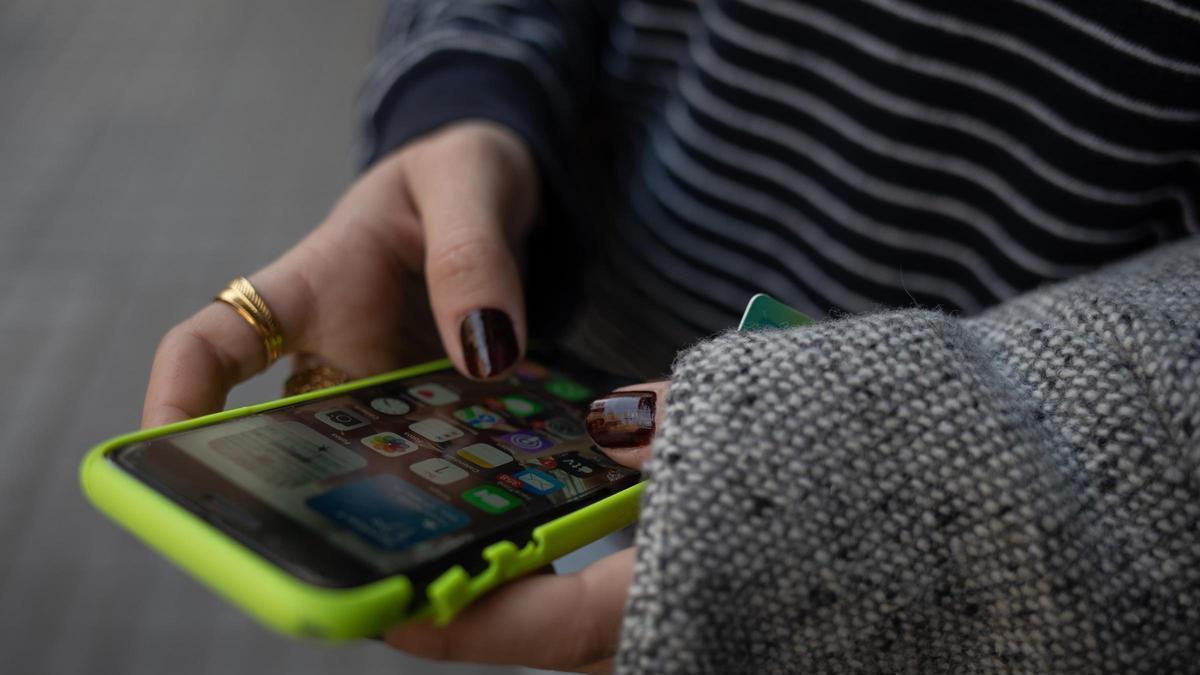
Spain’s government wants to ban social media access for anyone under 16. President Pedro Sánchez announced this plan as part of a push for a "safe digital environment," driven by worries about how platforms impact mental health. The idea is to shield young people from apps designed to keep them scrolling, collecting their data, and potentially harming their well-being.
Why Experts Disagree with the Ban
Many experts warn this ban might not only fail but could also violate minors’ rights. Instead of banning access, they argue Spain should use laws already in place within the European Union. These laws target the real problem: the "misleading design" of the platforms themselves – features intentionally built to be addictive.
Existing Laws: The Digital Services Act (DSA)
The key weapon already available is the Digital Services Act (DSA), active since February 2024. This EU law forces big online platforms like YouTube, TikTok, Instagram, Facebook, and X to:
- Ban personalized ads aimed at minors.
- Offer users feeds without algorithm-driven recommendations (which often push extreme content).
- Limit minors’ exposure to harmful content like pornography or gambling.
- Stop using dark patterns – sneaky design tricks that manipulate users-img (like fake scarcity alerts or making it hard to cancel subscriptions).
The DSA also demands transparency. Platforms might have to reveal how features like "likes" work – which trigger dopamine releases to keep users hooked – and potentially reduce their prominence.
Dark Patterns: How Apps Keep You Hooked
Dark patterns are features designed to exploit how our brains work. Think of:
- Endless scrolling (like TikTok or YouTube Shorts).
- "Only 1 seat left!" messages on travel sites.
- Making unsubscribe buttons tiny and hard to find.
- Constant notifications.
These tricks are surgically crafted to maximize your time on the app, fueling potential screen addiction.
The Problem: Big Tech Doesn’t Play Fair
Two big issues stop these EU laws from working effectively:
- Weak Enforcement: Applying the rules has been slow and inconsistent. The EU Commission even took Spain to court for failing to properly implement the DSA. While fines have been issued (like €120 million against X/Twitter), companies often see them as just a cost of business. Lawyer Alberto Casaseca puts it bluntly: "It is more worthwhile for Meta to pay administrative sanctions than to adapt to European laws." For giants making hundreds of billions, fines are minor expenses.
- Lobbying: Tech Giants vs. Your Rights: Tech companies aggressively lobby EU officials to shape new rules in their favor. In 2025, a shocking 83% of private meetings EU officials held about the upcoming Digital Fairness Act were with reps from companies like Meta, Google/Alphabet, and TikTok. Meta alone spends over €10 million yearly lobbying in Brussels.
What Should Spain Do Instead?
Experts urge Spain to focus on enforcing existing laws like the DSA right now, rather than imposing a difficult-to-enforce ban. Lawyer Jorge García Herrero suggests it would be "much more useful" for Spain to make current EU rules effective. Groups like Amnesty International agree: governments should tackle "the toxic design of social media" through enforcement.
The EU is also developing a Digital Fairness Act (DFA) for late 2026, which will tackle dark patterns and addictive designs head-on, comparing them to casino tactics. However, there are concerns that broader EU moves towards deregulation could weaken these vital protections.
Conclusion: Why Enforcement Beats Bans
While the goal of protecting young people online is crucial, banning social media for teens might be the wrong solution. It risks being ineffective, easily bypassed, and infringing on rights. The smarter path is enforcing powerful existing EU laws that directly challenge the platforms’ addictive designs and manipulative practices. Making tech giants truly comply with rules like the DSA – stopping dark patterns and protecting minors’ privacy – is a more sustainable way to create a safer digital space, rather than simply locking the door.
Images Credit: www.diariodemallorca.es