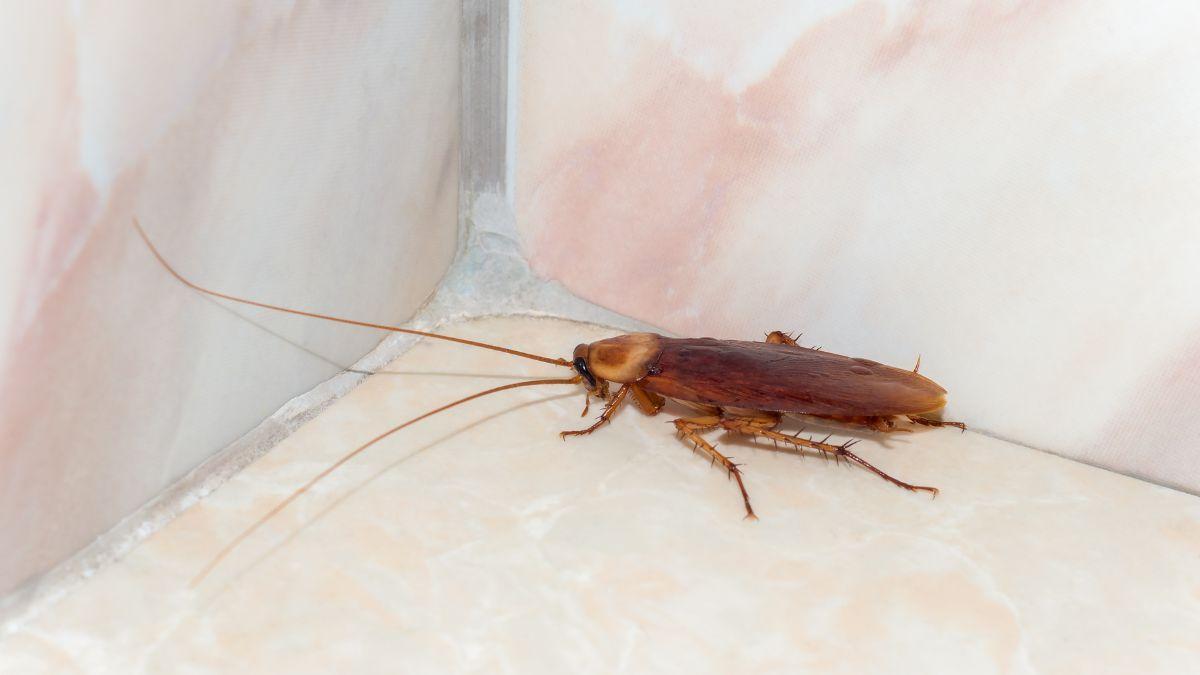


Your house has everything insects need to settle in
For many bugs, a home is a perfect hotel. The temperature stays steady, there’s shelter from predators, water is easy to find, and crumbs or stray bits of food turn into a buffet. Gaps behind the fridge, false ceilings, ductwork, spaces under the sink, and tiny cracks in walls or floors become cozy hideouts. Because modern houses stay warm even in winter, some insects can stay active all year long—something they couldn’t do outdoors.
These are the corners of the house where insects usually hide
Most of the time the bugs you spot are just the tip of the iceberg. Their favorite hide‑outs include:
- Behind large appliances (oven, washing machine, dryer)
- Under sinks and around pipes
- In cracks along walls, baseboards, or floorboards
- Inside false ceilings or attic spaces
- Behind skirting boards, moldings, or door frames
- In boxes that have been sitting untouched for months
- Inside closets that are rarely opened
- Within ventilation ducts
- Between layers of insulation
These spots are dark, quiet, and rarely disturbed—exactly what many insects need to thrive.
Humidity is one of the main reasons why insects appear at home
Moisture draws bugs like a magnet. A leaky pipe, condensation on windows, poor ventilation, or a damp basement creates tiny wet zones where insects can breed. That’s why you often see spiders, cockroaches, or silverfish in bathrooms, kitchens, and basements. Cutting down humidity—by fixing leaks, using exhaust fans, or running a dehumidifier—makes the house far less inviting.
The ants you see are only part: the nest may be inside the walls
When you notice a line of ants marching across the counter, you’re watching the foragers. The real colony could be hidden behind a baseboard, inside a wall void, under the flooring, or tucked into insulation. Ants need only a sliver of space to set up shop, and some city species build networks with multiple queens and thousands of workers. Killing the visible ants rarely solves the problem if the nest stays intact.
Moths can reproduce for months inside your home without you noticing
Clothes moths love dark closets where they lay eggs on wool, cashmere, or feathers. The larvae do the actual chewing, munching on fibers as they grow. Pantry moths, meanwhile, infest flour, cereal, rice, nuts, or pet food stored in cupboards. Because the larvae stay hidden inside fabrics or food packages, you might not see adult moths for weeks or even months—by then an infestation is already underway.
If you see one silverfish, there are probably more hiding nearby
Silverfish (those silvery, wiggly bugs) love damp, dark places—bathrooms, kitchens, basements, and behind furniture. They don’t build nests, but they gather where humidity is steady and they can nibble on paper, cardboard, book glue, or starchy fabrics. Spotting one usually means a small population is lurking close by.
Beetles, flies and cockroaches: other insects that can live hidden in the house
Many beetles finish their life cycle inside stored foods or in fabrics like rugs and upholstery. Their larvae stay out of sight for long periods, making them hard to detect until adults appear. Certain flies, cockroaches, and earwigs also favor tiny cracks, ducts, or cluttered corners where temperature and moisture stay just right.
When insects stop being something occasional and become a problem
Finding a bug now and then doesn’t always mean an infestation. It becomes a concern when:
- You see insects several times a week
- Both young and adult stages appear together
- You keep spotting them in the same spot
Those patterns suggest a stable population has set up shop inside your walls, floors, or furniture.
Measures that help prevent insects from settling in your home
Keeping bugs out is easier than evicting them later. Try these habits:
- Store food in sealed containers
- Check pantries and closets regularly for signs of activity
- Vacuum hard‑to‑reach spots like behind appliances and under furniture
- Seal cracks, gaps, and holes in walls, floors, and around pipes
- Fix leaks and use fans or dehumidifiers to lower moisture
- Avoid letting cardboard, paper, or piles of clothes sit untouched for months
- Wipe up crumbs and spills right away, especially in the kitchen
These steps don’t guarantee a bug‑free house, but they remove the food, water, and shelter that insects need to move in and stay.
Conclusion
Your home offers insects a comfortable, all‑year‑round residence with food, water, and hidden hideaways. Most of what you see is just a small fraction of a larger, unseen community living behind walls, under floors, or in storage boxes. By paying attention to moisture, sealing entry points, keeping food sealed, and cleaning neglected corners, you can make your house far less inviting to unwanted six‑legged roommates.
For more information, see the original article: Source
Images Credit: expertoanimal.elperiodico.com