

How the Real Estate Degree Started
The idea for the Real Estate Degree began with a simple phone call in December 2015. Juan Antonio Gómez‑Pintado, a leader in the real estate world, pointed out that while you can study to become an architect or a lawyer, there was no university path for those who want to work in property. He suggested a one‑year program designed by companies, taught by professionals who actually use the knowledge in their jobs, and that includes paid internships. The concept was to learn by doing: what you hear you forget, what you see you remember, and what you do you really learn.
First Year Launch
The University Governing Council approved the plan on July 1, 2016, and the first class started that October. Despite the short notice, the opening meeting was packed—students who had just finished their degrees saw the program as a chance to find work in a tough market. The inaugural group had 23 students, all technical architects from the Higher Technical School of Building.
Who Studies Today?
Over the past ten years the student makeup has changed a lot.
- From technical architects to a mixed crowd: The first cohorts were 100 % technical architects. Now about half come from other backgrounds—architecture, engineering, business, and even people already working in urban planning who want to broaden their skills.
- Age range: Most students are between 22 and 32 years old, but older professionals also join.
- Internship shift: Initially everyone wanted a hands‑on internship. Today about half prefer a two‑day‑a‑week‑a‑week postgraduate format, while the other half still go for internships.
- Paid internships: Early on, many companies tried to hire interns for free. The program fought back with what students call the “Víctor Sardá law,” guaranteeing that every intern receives a salary.
Learning in a Booming Market
When the degree launched, Spain was still recovering from the real‑estate crash. Now the sector is experiencing a new boom, and that shift shows up in the classroom.
- More practice, less theory: Because the market is active, professors—who are also managers—bring current case studies and real‑time projects into lessons.
- Internship demand: In 2011, each internship posting attracted over 80 applicants. Today the ratio is almost one‑to‑one, meaning there are plenty of spots for students who want to work on site.
- Why some avoid site work: Construction sites can be noisy, multicultural, and linguistically diverse. Some students simply don’t feel drawn to that environment, and no amount of advertising will change that personal preference.
Preparing for Housing Challenges
Spain’s housing affordability crisis is a hot topic, and the program tries to give students a broader perspective.
- Knowledge is a given: The curriculum covers licenses, commercial law, financial management, and technical skills.
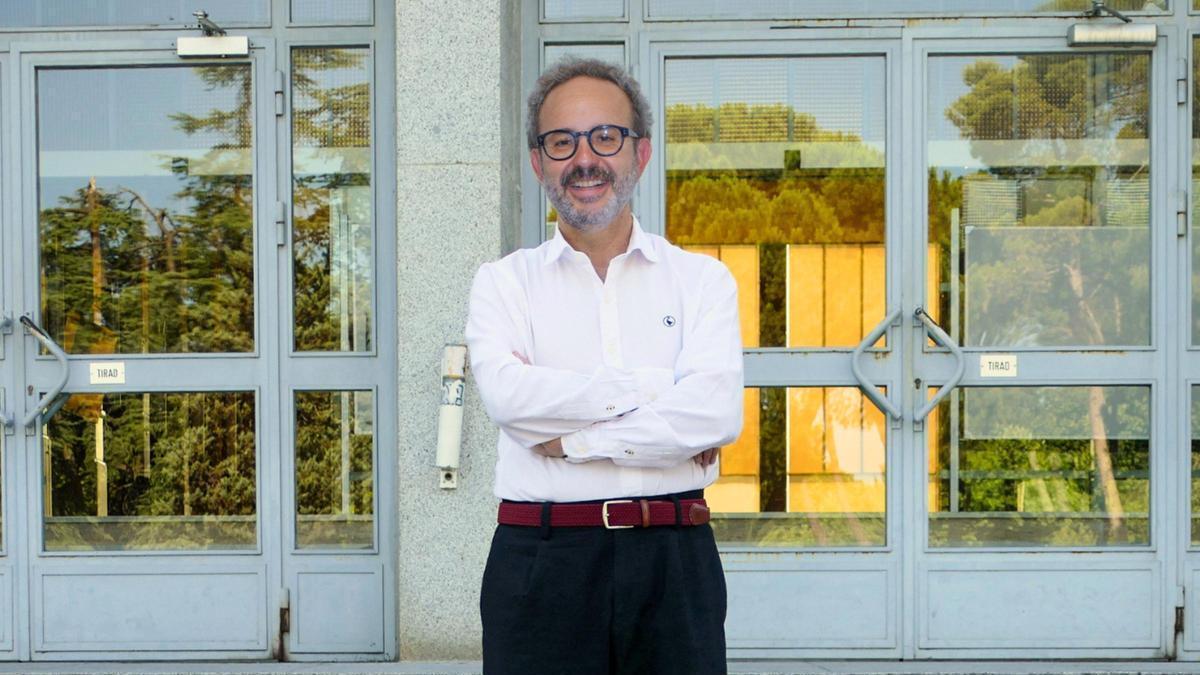
- The real goal: Víctor Sardá stresses that he wants graduates to be good, generous people who think about others, not just their own profit.
- Generosity as a skill: By learning to see the bigger picture—helping communities, collaborating with public agencies, and advocating for fair prices—students become professionals who can contribute to solutions like more land, faster permits, and reasonable housing costs.
The Sector’s Image and Future
Real‑estate developers often face a mixed reputation. The program teaches that rebuilding trust requires action, not just talk.
- Working with politicians and administrators: Open, constructive dialogue is essential. When the sector acts transparently and cooperatively, society is more likely to view it positively.
- What makes a sector praiseworthy? Consistency, coordination, and a willingness to listen. A simple test: would you be proud if your son or daughter worked there?
- Looking ahead ten years: The degree will keep evolving—professors will increasingly be alumni who have gone on to become managers. The cycle of learning, working, and returning to teach will strengthen the program’s relevance and keep it aligned with industry needs.
Conclusion
The Real Estate Degree shows how a partnership between universities and companies can create practical, paid learning experiences that respond to market changes. By focusing on both technical skills and personal values like generosity, the program aims to shape professionals who not only succeed in their careers but also contribute positively to society and the ongoing effort to improve housing access.
Images Credit: www.diariodeibiza.es