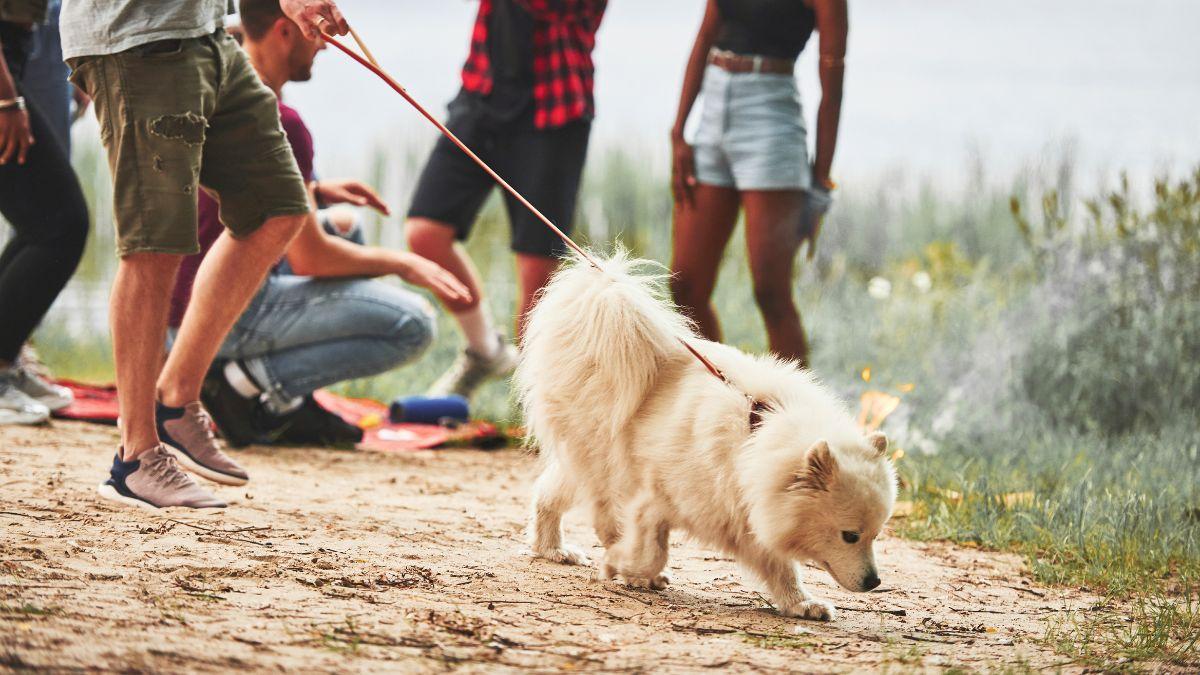


Why Your Dog Might Not Say Hi to Everyone
It’s About Personality, Not Manners
Just like people, dogs have their own social preferences. Some pups love meeting new faces, while others are more selective. This isn’t a sign of bad manners—it’s simply part of who they are. A dog’s temperament—how confident, curious, shy, or energetic they feel—determines how eager they are to greet strangers.
Reading Your Dog’s “No Thanks” Signals
When a dog feels uncomfortable, it usually gives clear warning signs before anything escalates. Watch for these cues:
- Turning the head or looking away
- Moving back or hiding behind you
- Licking the snout repeatedly
- Yawning over and over
- Stiffening the body or staying very still
- Keeping the tail low or tucked
- Flattening the ears against the head
These behaviors are the dog’s way of asking for space. If you respect them, the dog will relax and the tension will fade. Ignoring the signals can lead to growling, barking, or even a snap, so it’s best to let the dog decide when to approach.
Early Socialization Sets the Stage
The first three months of a puppy’s life are a critical window for learning how to interact with the world. During this time, positive experiences with people, other animals, and new environments help shape a friendly, confident adult dog. Good socialization means:
- Introducing the puppy to a variety of sights, sounds, and smells
- Pairing each new encounter with treats, play, or praise
- Never forcing contact if the puppy shows fear or hesitation
When done right, the puppy learns that meeting strangers can be fun and safe. If the process is rushed or scary, the dog may grow up wary of unfamiliar people.
What You Can Do as a Guardian
Support your dog’s comfort level by:
- Letting them initiate greetings rather than pulling them toward strangers
- Rewarding calm behavior with treats or praise
- Giving them an easy exit route if they feel overwhelmed
- Staying calm yourself—dogs pick up on our emotions
Remember, it’s okay for your dog to be picky about who they say hello to. Respecting their boundaries builds trust and makes social outings more enjoyable for both of you.
Conclusion
Dogs aren’t rude when they skip a greeting; they’re simply following their own personality and past experiences. By learning to read their body language, providing positive early socialization, and letting them choose when to interact, you help your furry friend feel safe and confident in any situation.
Source: ExpertoAnimal article
Images Credit: expertoanimal.elperiodico.com