

Summer 2026 Moon Watch: Buck Moon and Sturgeon Moon
What Is a Full Moon?
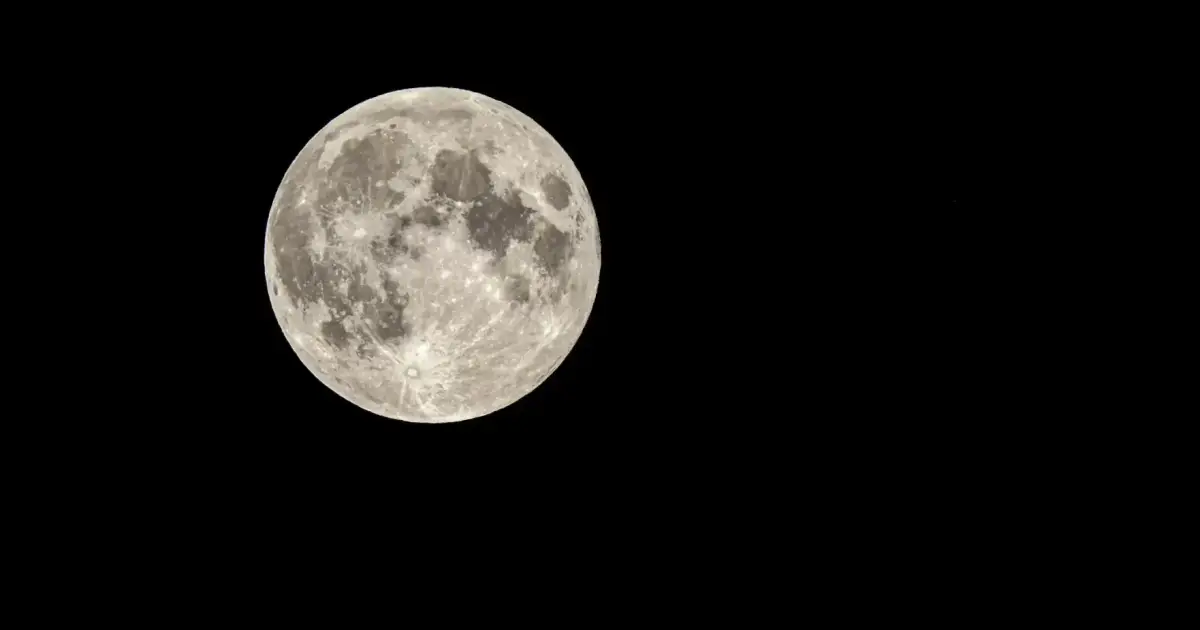
A full moon happens when Earth sits directly between the Sun and the Moon. Sunlight then hits the whole side of the Moon that faces us, making it look completely round and bright. The exact moment of full illumination lasts only an instant, but to the naked eye the Moon appears full for about three nights. One lunar cycle—from one full moon to the next—takes roughly 29.5 days and includes eight phases that people have used for centuries to track time and seasons.
Buck Moon – July 2026
When to See It
The Buck Moon reaches its peak at 4:36 p.m. on Wednesday, 29 July 2026. Even though the exact full moment is in the late afternoon, the Moon will look full from the evening of the 28th through the morning of the 30th.
Why the Name?
In many North American traditions, July’s full moon is called the Buck Moon because it’s the time when male deer (bucks) start growing new antlers. The name reflects themes of growth, renewal, and the outdoors coming alive in summer.
Sturgeon Moon – August 2026
When to See It
The Sturgeon Moon peaks at 6:19 a.m. on Friday, 28 August 2026. Like the Buck Moon, it will appear full for a couple of nights before and after the exact time.
Why the Name?
This moon gets its name from the sturgeon fish that were historically abundant in the Great Lakes and other North American waters during late summer. Fishermen would notice a spike in catches, so the moon marked a good time for fishing.
Extra Sky Show: Partial Lunar Eclipse
This year’s Sturgeon Moon comes with a bonus: a partial lunar eclipse. Part of the Moon will slip into Earth’s shadow, causing a subtle darkening on one edge. Observers in parts of Europe, Africa, and the Americas will be able to see the shading, especially if they have a clear western horizon in the early morning.
Bonus Event: Total Solar Eclipse & New Moon – 12 August 2026
What’s Happening?
On 12 August 2026 a total solar eclipse will sweep across the sky, visible from the Balearic Islands (Mallorca, Menorca, Ibiza, and Formentera). During a total solar eclipse, the Moon completely covers the Sun, turning day into an eerie twilight for a few minutes.
New Moon Timing
The eclipse coincides with the new moon phase, when the Moon lies between Earth and the Sun and its illuminated side faces away from us. After the eclipse, the Moon will begin waxing (growing brighter) each night, leading up to the full Sturgeon Moon on the 28th.
How Teens Can Enjoy the Show
Pick a Good Spot
- Find an open area away from bright city lights—parks, beaches, or hills work well.
- For the eclipses, check the exact timing for your location so you don’t miss the peak.
Use Simple Tools
- Your eyes are enough to see the full moons and the eclipse shading.
- If you have a pair of binoculars or a small telescope, you can get a closer look at craters on the Moon.
- Never look directly at the Sun during a solar eclipse without proper eclipse glasses or a solar filter.
Make It Social
- Organize a moon‑watch party with friends—bring snacks, blankets, and maybe a playlist of space‑themed songs.
- Share photos or short videos on social media using a hashtag like #SummerMoons2026.
- Keep a moon journal: note the date, time, weather, and what you observed. It’s a fun way to see patterns over the months.
Conclusion
Summer 2026 offers two bright full moons—the Buck Moon in July and the Sturgeon Moon in August—plus a partial lunar eclipse, a total solar eclipse, and a new moon visible from the Balearic Islands. These events give teens plenty of chances to step outside, look up, and connect with the rhythms of our solar system. Grab a friend, find a dark spot, and enjoy the celestial show!
Reference: Source
Images Credit: www.majorcadailybulletin.com