

What the Mediterranean Forum Taught Us About Regeneration
Who Is Marc Palahí and Why Does He Matter?
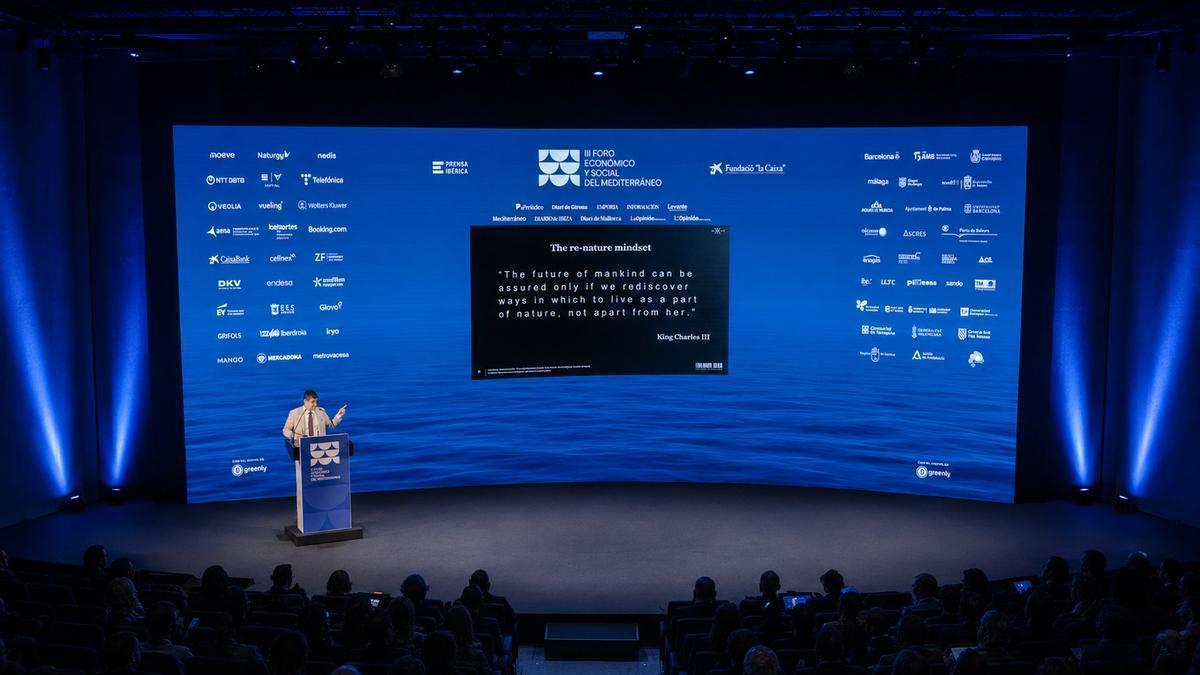
Marc Palahí, born in Lleida in 1983, leads the Circular Bioeconomy Alliance (CBA). The alliance was started by King Charles III of England back when he was Prince of Wales, in 2020. Its goal is simple: help economies shift from taking resources out of nature to giving back and improving our relationship with the planet.
A Forum Full of Big Names
The third Mediterranean Forum, held in Barcelona, welcomed several notable speakers:
- King Philip VI of Spain attended Palahí’s talk.
- Explorer Celine Cousteau stressed the need for humans to reconnect with nature.
- Philosopher Francis Torralba warned against letting money, bias, and fear split us apart.
- Jordi Ribas, Microsoft’s President of Search & AI, talked about the uncertainty surrounding artificial intelligence.
- Professor Pedro Videla from IESE suggested a Marshall‑style plan to boost the southern Mediterranean.
The Core Idea: Regenerate
All the discussions circled around one verb: regenerate. After 150 years of an extractive economy—think oil and gas drilling—technology now lets us turn to cleaner sources, especially solar power. Regeneration means more than just planting trees; it’s about fixing what we’ve broken and making systems work better for people and nature.
Why Regeneration Starts Close to Home
Local Actions That Make a Difference
The forum highlighted that change begins where we live:
- Urban gardens turn concrete balconies into green spaces.
- Reliable, affordable public transport cuts car emissions.
- Renovating old houses along the coast saves energy and preserves culture.
- Even the ceramic industry is rethinking how it makes and uses energy.
When neighborhoods take small steps—like planting a tree or biking to school—the impact adds up.
Balancing Technology and Humanity
Torralba reminded us that we need a middle ground between fearing new tech and loving it blindly. Artificial intelligence can help solve problems, but we must ask who sets the rules—especially when the U.S. and China lead the charge.
Addressing Inequality Across the Mediterranean
The forum pointed out stark differences between the northern and southern shores of the sea, covering 22 countries. Videla’s idea of a Marshall Plan for the south aims to create jobs and wealth, yet it raises questions: Can aid work if democratic freedoms are limited? The answer lies in tying economic help to respect for human rights.
Europe’s Role: From Talk to Action
The European Union often creates lots of plans, committees, and reports—great on paper, but sometimes slow to act. The forum’s message was clear: grand statements are nice, but real progress starts locally, with data‑backed projects that communities can see and feel.
Takeaway for Teens
You don’t need to wait for a world leader to make a change. Start with what’s around you:
- Join or start a school garden.
- Advocate for better bike lanes or bus routes in your town.
- Talk about AI in class—ask who benefits and who might be left out.
- Learn about the cultures and challenges of Mediterranean neighbors.
By acting locally and thinking globally, you help regenerate the planet—and your own future.
Conclusion
The Mediterranean Forum showed that regeneration is possible when we combine nature‑friendly technology, fair policies, and everyday actions. From urban gardens to AI ethics, each piece matters. The real power lies in our hands—right where we live, learn, and play.
For more information, see the original article: Source
Images Credit: www.diariodeibiza.es