

Spain Boosts Innovation with New Funding
What the Government Announced
The Minister for Digital Transformation and the Public Service, Óscar López, revealed that Spain will allocate over 162 million euros in June to support the creation of research, testing, and experimentation infrastructures focused on dual‑use technologies. These are innovations that can serve both civilian and military purposes, such as semiconductors, artificial intelligence, quantum computing, advanced connectivity, and robotics.
Where the Money Will Go
- Public universities, research organisations, and R&D centres will receive funds to build new research infrastructures.
- State‑level technology centres and companies will get financing for testing and experimentation facilities.
Individual grants will range from 900,000 euros to 8 million euros, depending on the project’s budget. Proposals will be judged on their transformative potential, technical soundness, and expected impact on the local ecosystem. Selected projects must be completed within 24 months after funding is awarded.
Why This Matters for Teens and the Future
- Skill Building: New labs and test beds give students hands‑on experience with cutting‑edge tech.
- Job Opportunities: Growth in sectors like AI and quantum computing creates demand for young talent.
- National Competitiveness: By strengthening home‑grown capabilities, Spain aims to stay ahead in the global tech race.
López’s Vision at South Summit 2026
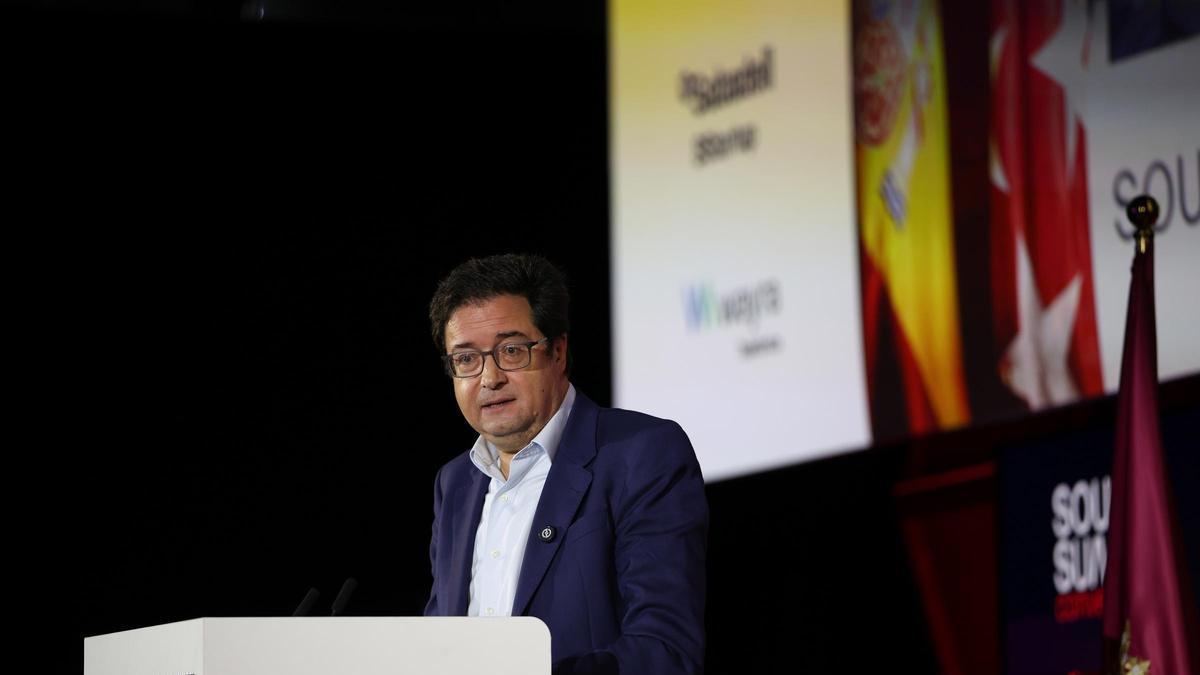
Speaking at the inauguration of South Summit Madrid—an event that gathers over 7,000 startups and 2,000 investors—López described the aid as a “new stimulus package for innovation.” He linked the funding to Spain’s recent economic uplift, noting that the OECD raised the country’s 2026 growth forecast from 2.1 % to 2.2 %, making it the fastest‑growing large European economy.
He emphasized that this progress stems from a national commitment to lead the ecological and digital transformation, backed by European recovery funds. Programs like Kit Digital, which has helped one million SMEs and freelancers go digital, illustrate how public support can drive widespread change.
Supporting Deep‑Tech Startups
López also defended public intervention in “deep tech” fields such as quantum computing, where private investors are often hesitant. He argued for an entrepreneurial State that nurtures strategic startups and prevents them from moving abroad. Spain already has national strategies for quantum technologies (800 million euros) and artificial intelligence (1,500 million euros), including university chairs, the Generation AI program, and the open language model Alia.
NATO and Defense Innovation at the Summit
This year’s South Summit features a dedicated defense‑AI vertical, with participation from DIANA, NATO’s defense innovation accelerator, alongside major corporations, startups, and investors focused on dual‑use technologies. The event will also explore how innovation can improve autonomy and social connection for people with disabilities.
The Ministry’s Ongoing Support
The Ministry for Digital Transformation and Public Service has contributed 800,000 euros to South Summit since 2024. Through the National Entrepreneurship Office and the ONE platform managed by Red.es, it provides a space for the Spanish Society for Technological Transformation (SEPI Digital) to showcase initiatives.
Conclusion
Spain’s latest injection of over 162 million euros into research and testing infrastructures signals a strong push to nurture home‑grown talent, attract investment, and maintain a competitive edge in key technological areas. For teens interested in science, engineering, or entrepreneurship, this means more opportunities to learn, experiment, and potentially launch the next big innovation right here in Spain.
Reference: Source
Images Credit: www.diariodeibiza.es