

Why Farmers See Migration as Hope for the Countryside
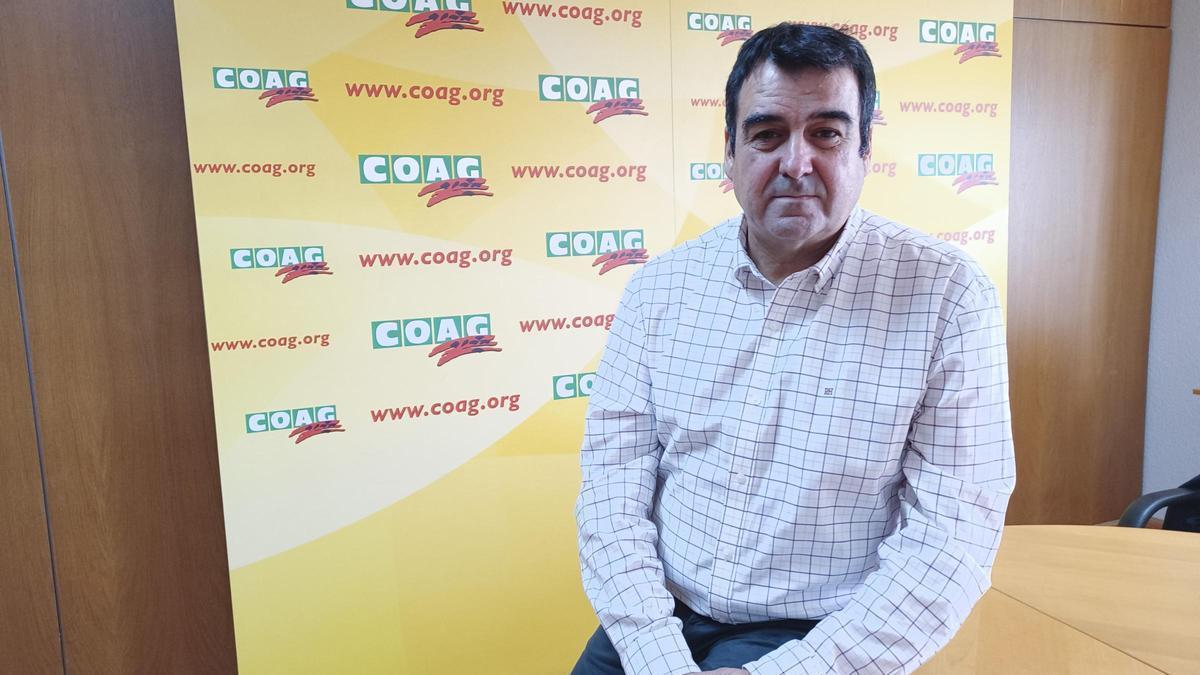
Andrés Góngora, the new leader of COAG (Coordinator of Farmers and Livestock Organizations), recently explained why he believes immigration and its regularization are good news for Spain’s rural areas. He spoke to Efeagro about the challenges facing agriculture today and how welcoming newcomers can help solve many of them.
Migration: A Solution to Labor Shortages
For years, Spanish farms have struggled to find enough workers. Góngora points out that the recent extraordinary immigration regularization process in Spain is “necessary.” It lets farmers hire foreign workers who already live in the country and now have proper documents. This means the next planting and harvesting seasons can run more smoothly, with “more normality.”
He adds that questioning this move makes little sense: “We had been complaining for years that we couldn’t find labour.” Góngora urges politicians to listen to agricultural organizations and to go even further—reform the Immigration Law so that the two‑year waiting period for regularization is removed. He argues that the current law doesn’t serve either immigrants or the productive sectors that need them.
Integration Works Better in Rural Settings
COAG supports integrative policies, and Góngora notes that in many countryside towns, immigration has actually doubled the local population. Despite the growth, conflicts stay minimal. He believes rural communities have a natural ability to integrate newcomers, often surpassing the understanding of some politicians who oppose immigration.
The War in Iran and Rising Costs
The conflict in Iran has pushed up the price of agricultural inputs, especially fertilizers. Góngora says any aid to ease these cost increases is welcome, but the real goal should be a shift toward food sovereignty—producing more of what we need at home and relying less on imports. He calls for long‑term economic investments in research, particularly in agroecology, to develop sustainable alternatives.
Trade Deals with Morocco and Mercosur
When asked about the EU’s trade agreements with Morocco and the Mercosur bloc, Góngora says the farming sector has “won” in the court of public opinion, even if politically the deals still stand. Many people now see these agreements as not benefiting society, despite the economic interests behind them. He stresses that COAG will stay independent and plural, defending a social model that works for both large and small professional farms.
Reforming the Common Agricultural Policy (CAP)
A major focus for COAG is reshaping the CAP. Góngora argues that the policy’s budget should go to those who need it most. He feels there has been a “break” in the current process and wants more information from the government to set a clear stance.
Generational Change and Land Access
Young people interested in farming often hit a wall when trying to access land. Góngora notes that irrigated agriculture is already coping with severe weather, but the entry of investment funds into some sectors makes it harder for new generations to start. He believes agriculture and livestock are currently at a historic high point, though profitability varies by product.
Conclusion
Andrés Góngora’s message is clear: welcoming and properly documenting immigrant workers can bring hope and opportunity to Spain’s countryside. By updating immigration laws, investing in sustainable research, rethinking trade deals, and reshaping the CAP to support real farmers, the agricultural sector can face its challenges while staying vibrant and inclusive.
Reference: Source
Images Credit: www.diariodeibiza.es