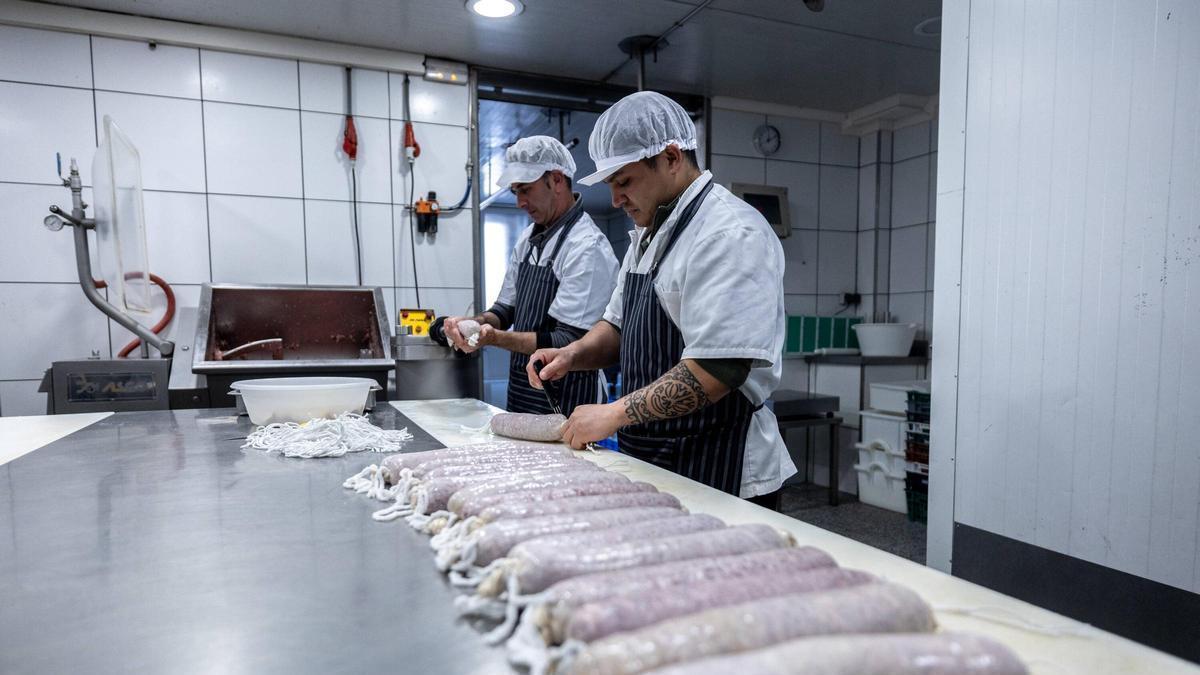


Overview
Catalonia’s sausage industry is a powerhouse. More than 180 firms together generate about 2,856 million euros each year and employ roughly 15,524 people. According to a study by Prodeca, the region supplies 43.8 % of Spain’s sausage volume and accounts for 57.7 % of the country’s sausage exports. This makes Catalonia a leading producer and exporter both nationally and internationally.
Company Landscape
- Mixed production: 67 % of the companies make both cooked and cured sausages.
- Specialised cured: 21 % focus only on cured products.
- Specialised cooked: 12 % concentrate on cooked varieties.
The biggest players are heavily concentrated in Catalonia. Six of the ten largest sausage manufacturers in Spain are based here, including:
- Tarradellas House
- Christmas Food
- Argal Group
- Costa Brava Mediterranean Foods
- Costa Food
- Guissona Food Corporation (known for the bonÀrea brand)
These ten Catalan firms alone generate more than 71 % of the sector’s turnover, showing a clear trend toward larger, more efficient operations that benefit from economies of scale and broader product ranges.
Consumption Trends
European eating habits are shifting:
- 51 % of Europeans say they have cut back on meat products (up five points since 2021).
- Nearly half now follow diets that are not meat‑based.
As a result, sausage consumption is moving from everyday meals to specific occasions such as snacks, aperitifs, and shared platters. Consumers are also asking for healthier options:
- “Clean label” sausages with fewer additives
- Lower fat and salt content
- Higher protein levels
- Sliced, snack‑size, single‑serve formats
- More sustainable packaging
These preferences push producers to innovate while keeping taste and convenience high.
Challenges & Innovation
Rising labor costs and difficulty finding skilled workers are prompting companies to invest in automation. Technology helps streamline production, logistics, and administration—crucial when margins are squeezed by higher raw‑material prices.
The report highlights several focus areas for future growth:
- Deepening knowledge of international markets
- Adapting products and distribution channels to local tastes
- Expanding product ranges
- Eco‑designing packaging and moving toward circular models
- Continuing automation efforts
- Developing healthier sausages that match new consumer profiles
Export Growth & Global Outlook
Sausage and processed‑meat exports represent about 22 % of the sector’s turnover. In 2025 Catalan sales abroad reached 629.47 million euros, a 6.3 % increase over the previous year, even after a swine‑fever outbreak six months earlier. New markets such as Vietnam and South Korea have been opened successfully.
Looking ahead, global demand for sausages and processed meats is projected to rise 10.5 % in value between 2025 and 2028. Notable growth is expected in:
- Nigeria (+43.6 %)
- Brazil (+32.3 %)
- India (+8 %)
- Colombia (+15.3 %)
- Peru (+13.2 %)
- Japan (+9.2 %)
Specialty segments like kosher and halal products also present big opportunities; the European halal market alone could exceed 20 billion euros by 2029.
Conclusion
Catalonia’s sausage sector combines strong domestic production, a diverse range of products, and a growing export footprint. While consumption habits are evolving toward healthier and more flexible eating patterns, the industry is responding with innovation, automation, and a focus on sustainable, high‑quality offerings. With solid growth prospects in emerging global markets and rising interest in kosher and halal options, Catalonia is well positioned to remain a leading reference point for sausage production and export in the years to come.
Reference: Source
Images Credit: www.diariodeibiza.es