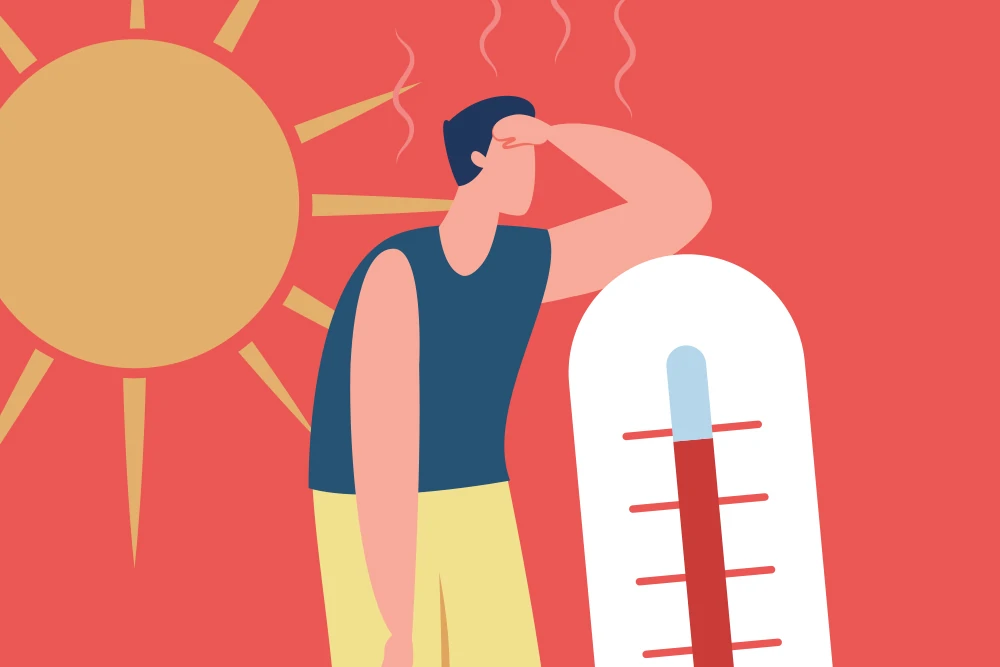


How Summer Heat Affects Health in the Balearic Islands
What happens when it gets too hot?
When the temperature climbs, our bodies try to cool down by sweating and widening blood vessels. If we can’t keep up, we may feel dizzy, weak, or get muscle cramps. In the worst cases this can lead to heatstroke, which can cause confusion, seizures, or even loss of consciousness.
More than just heatstroke
Heatstroke gets the headlines, but most heat‑related deaths come from other problems that get worse when it’s hot. Doctors have seen more admissions for strokes, kidney failure, dehydration, and blood clots during hot weeks. In fact, a study showed that hospital visits rise about 6 % overall, with strokes up 26 % and acute kidney injury up 67 % when the heat spikes.
Who is most at risk?
People with long‑term illnesses
Those with heart disease, lung problems, diabetes, or obesity are especially vulnerable. Heat can make these conditions flare up, leading to serious complications.
Mental health and medication
Some psychiatric medicines reduce the body’s ability to sweat or sense thirst, raising the risk of overheating.
Young kids, older adults, and people with mobility issues
Children and seniors may not notice they’re getting too hot or may not be able to get to a cool place or drink enough water.
Social and environmental factors
It’s not just about biology. Where you live matters:
– Neighborhoods with few trees or parks trap heat.
– Older homes without good insulation stay hot inside.
– Lower income can limit access to air‑conditioned spaces or cool public areas.
– Outdoor workers (construction, farming, hospitality) face direct exposure during the hottest hours.
Simple ways to stay safe
- Stay out of the sun between 12 pm and 4 pm.
- Wear light‑colored, loose clothing and a hat.
- Drink water regularly, even if you don’t feel thirsty.
- Avoid alcohol, sugary sodas, and too much caffeine.
- Never leave kids, pets, or older people in a parked car.
- Keep blinds or shutters closed during the hottest part of the day.
- If you feel overheated, move to a cool spot, use a fan or cold cloth on your neck, and call emergency services if symptoms worsen.
Looking ahead
Forecasts suggest this summer could be hotter than usual, with more nights staying above 22 °C and daytime temperatures possibly exceeding 40 °C inland. Being aware of the risks and taking simple precautions can help protect yourself and those around you.
Conclusion
High temperatures affect health in many ways, not just through dramatic heatstroke. Chronic illnesses, age, medication, and social conditions all play a role in how dangerous a heatwave can be. By understanding these factors and following easy safety tips, teens and everyone else can enjoy the summer while staying safe.
Reference: Source
Images Credit: mallorcaglobalmag.es