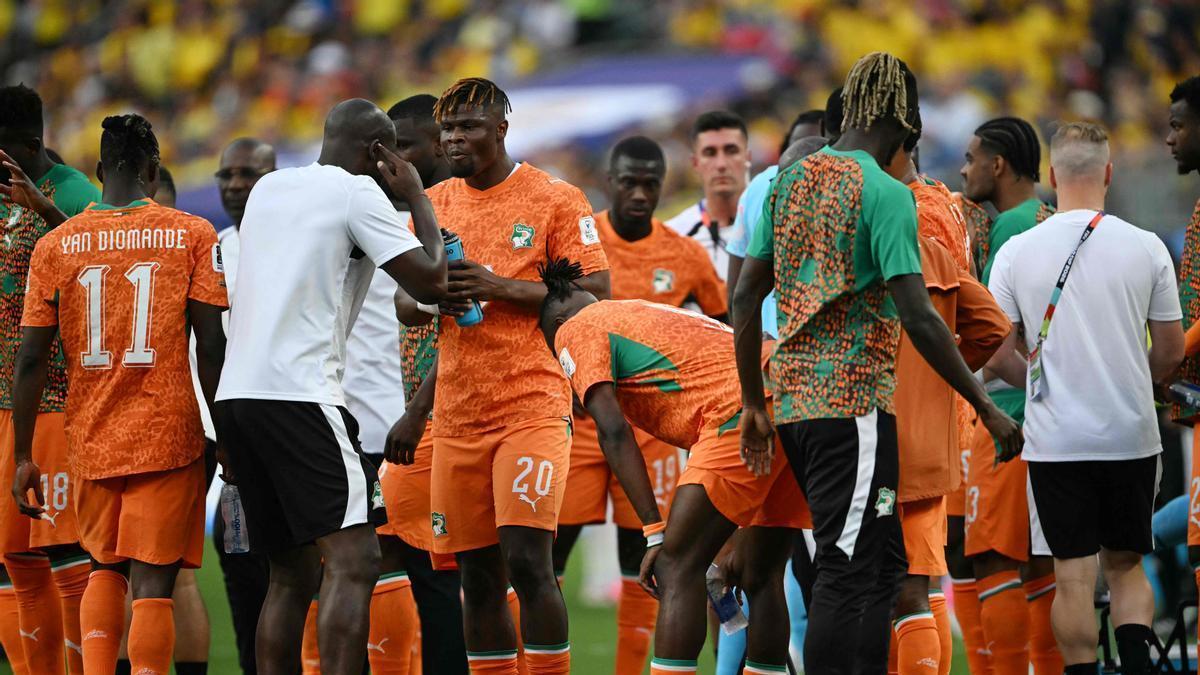


What Are Hydration Breaks?
During the 2026 World Cup, referees have been ordering three‑minute pauses in each half so players can drink water and receive quick instructions from the bench. The idea started in hot climates, but FIFA now requires the break in every match, whether the stadium is air‑conditioned or not.
Why FIFA Made the Breaks Mandatory
FIFA says the pauses protect athletes from heat‑related illness. The rule was first tested in the 2014 Brazil World Cup and later used in tournaments held in the United States. By announcing that every game must include a three‑minute break, FIFA created a predictable interruption that broadcasters can plan around.
How the Breaks Change the Flow of Football
Coaches Speak Out
Jürgen Klopp’s View
The former Liverpool manager called the World Cup “a shopping mall where the cash register gets more respect than the game itself.” He argued that the breaks turn football into a series of interruptions rather than a continuous sport.
Didier Deschamps and Mauricio Pochettino
France’s coach Deschamps warned that a three‑minute pause can destroy a team’s momentum, even when the weather is perfect. Pochettino, coaching the USA, said he only likes the break when conditions are truly extreme; otherwise it feels unnecessary.
Virgil van Dijk’s Take
Netherlands captain Virgil van Dijk said the pauses help advertisers more than players. He believes the decision to take a break should be left to the referee’s judgment based on the actual temperature of each match.
Players’ Reactions
Many athletes admit they appreciate a chance to sip water, but they also feel the rhythm of the game suffers. The consensus among players is that the break should be used only when heat truly threatens safety, not as a fixed schedule.
The Commercial Side – Ads and Profits
How Broadcasters Use the Window
During each hydration break, TV networks have a chance to run advertisements. FIFA’s guidelines allow ads to start after the first 20 seconds of the pause and require the broadcast to return to the match more than 30 seconds before play resumes, leaving roughly two minutes and ten seconds for commercials.
Fox’s Profit Estimate
Fox, which holds the English‑language rights in the United States, paid $485 million for the tournament. Experts estimate the network can earn $7–$9 million per match from the ad slots during the breaks. Over the 104‑game schedule, that could add up to about $728 million in extra revenue.
Other Networks’ Approach
In Spain, RTVE runs only a few ads during the pause. Telemundo (Spanish broadcast in the U.S.) and the BBC in the U.K. choose not to cut the feed for commercials, preferring to keep the game continuous.
The Future of Hydration Breaks
Looking ahead, the 2030 World Cup will be hosted by Spain, Portugal, and Morocco, while the 2034 edition is slated for Saudi Arabia. Given the financial incentives for broadcasters and FIFA’s current stance, it is unlikely that the mandatory three‑minute break will be dropped soon. Critics hope that future decisions will weigh the integrity of the sport more heavily than the profit potential of televised interruptions.
Conclusion
Hydration breaks were introduced to protect players from extreme heat, but their mandatory application in every World Cup match has turned them into a predictable advertising opportunity. Coaches, players, and fans argue that the pauses disrupt the natural flow of football and prioritize commercial interests over the sport’s essence. While the breaks do offer a moment for water and tactical advice, the ongoing debate suggests that a more flexible, temperature‑based approach might better serve both athlete safety and the spirit of the game.
Source
Images Credit: www.diariodeibiza.es