

Spain’s Rise in Medical Research
Why Clinical Trials Matter
Clinical trials are experiments that test new medicines or therapies on volunteers. They turn scientific ideas into real‑world solutions. In 2024 Spain authorized 962 clinical trials, putting the country at the forefront of Europe. About four out of ten of these studies focus on cancer, showing where Spain’s research energy is strongest.
Investment and Impact
The Spanish pharmaceutical sector invests more than 1.7 billion euros each year in research and development. This spending creates a direct economic impact of 27 billion euros – roughly 1.9 % of Spain’s GDP – and supports over 60 000 skilled jobs. For every euro of added value the industry generates, another 1.5 euros flow into the wider economy, proving that backing science also boosts social prosperity.
Novartis’ Role in Spain
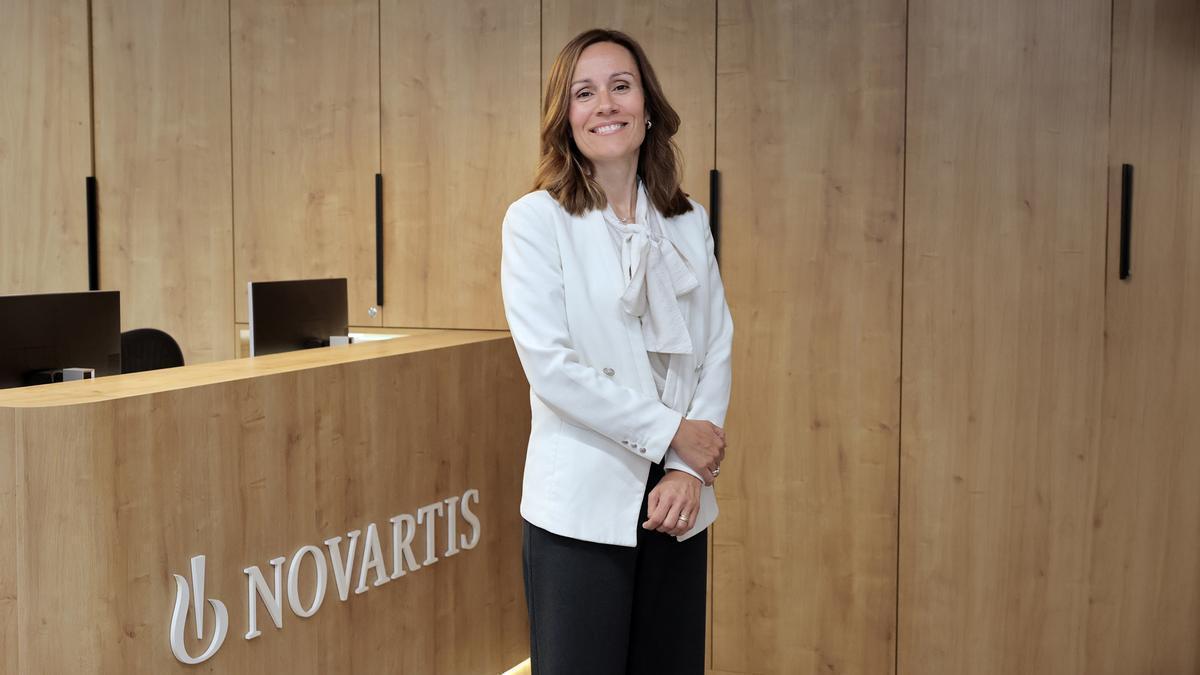
Novartis treats Spain as a key hub for its global mission to reimagine medicine. In 2024 its therapies helped more than 10 million patients across the country. Looking ahead to 2025, Novartis plans to launch 257 clinical trials, with over half targeting cancer. This effort is made possible by teamwork with 153 leading hospitals, 2 857 health professionals, and the participation of 7 140 patients. For the past ten years Novartis has ranked among the top three companies in Spain for the number of authorized trials.
Spotlight on Oncology
Cancer remains the leading cause of death in Spain. Because of this, Novartis is concentrating more than 50 % of its upcoming trials on oncological diseases. The goal is to find faster, more effective treatments that can save lives and improve quality of life for patients.
Infrastructure and Talent
Novartis’ commitment is also visible in its facilities. The radioligand plant in Zaragoza is one of only five such centers worldwide, putting Spain at the forefront of precision nuclear medicine. From this plant, over 6 000 oncology patients in Europe and beyond received treatment in 2024. Additionally, the company has created talent hubs that bring together more than 700 experts from 53 different nationalities. Using artificial intelligence and advanced analytics, these teams streamline operations and enhance patient safety.
Getting New Treatments to Patients Faster
Discovering a new drug is only part of the battle; it must reach patients quickly. Spain has reduced the average waiting time for innovative therapies from 616 days to 537 days, according to the WAIT 2025 report. While this is progress, the target set by European directives is 180 days. To close this gap, Spain needs more flexible evaluation and financing models that recognize the full clinical, social, and economic value of breakthrough therapies.
Working Together for the Future
True leadership in health comes from collaboration. Public administrations, doctors, industry, and patients must share clear goals and transparent communication. When all parts of the ecosystem work as one, scientific discoveries translate faster into real‑world benefits for society.
Conclusion
Spain has become a European leader in clinical research, driven by strong investment, innovative companies like Novartis, and a focus on urgent health challenges such as cancer. Continued teamwork and faster access to new treatments will ensure that scientific advances keep turning uncertainty into hope for everyone.
For more information, see the Source
Images Credit: www.diariodeibiza.es