

Mallorca’s Growing Population: What It Means for the Island
Who is Pere Salvà?
Pere Salvà is a retired professor of human geography from the University of the Balearic Islands. He spent many years studying how people live and move around Mallorca. When he retired in 2023, he said he felt frustrated because the island still lacked clear plans to handle its growing crowds.
The Idea of a “Demographic Bomb”
Salva calls the rising population a “demographic bomb.” This isn’t just about needing more roads or schools. It also touches on social and cultural life—how communities change when many new people arrive.
What the Numbers Show
The National Statistics Institute (INE) predicts that the Balearic Islands will gain about 200,000 residents over the next 15 years. Since 2000, the islands have already added 382,937 people. The latest forecast puts the total population at roughly 1.46 million by 2041.
Where Are the Newcomers Coming From?
Most of the growth comes from immigration. About 70 % of newcomers move to Mallorca for work, while the remaining 30 % settle as long‑term residents—retirees from other countries, for example. The biggest groups right now are Colombians, Argentinians, and Moroccans, with Germans far behind.
Why This Growth Is a Concern
More people mean more pressure on the island’s limited space. Salva warns of a possible “territorial emergency” if we don’t act:
- Higher use of water, electricity, and other resources
- More pollution and waste
- Increased traffic congestion
The Housing Challenge
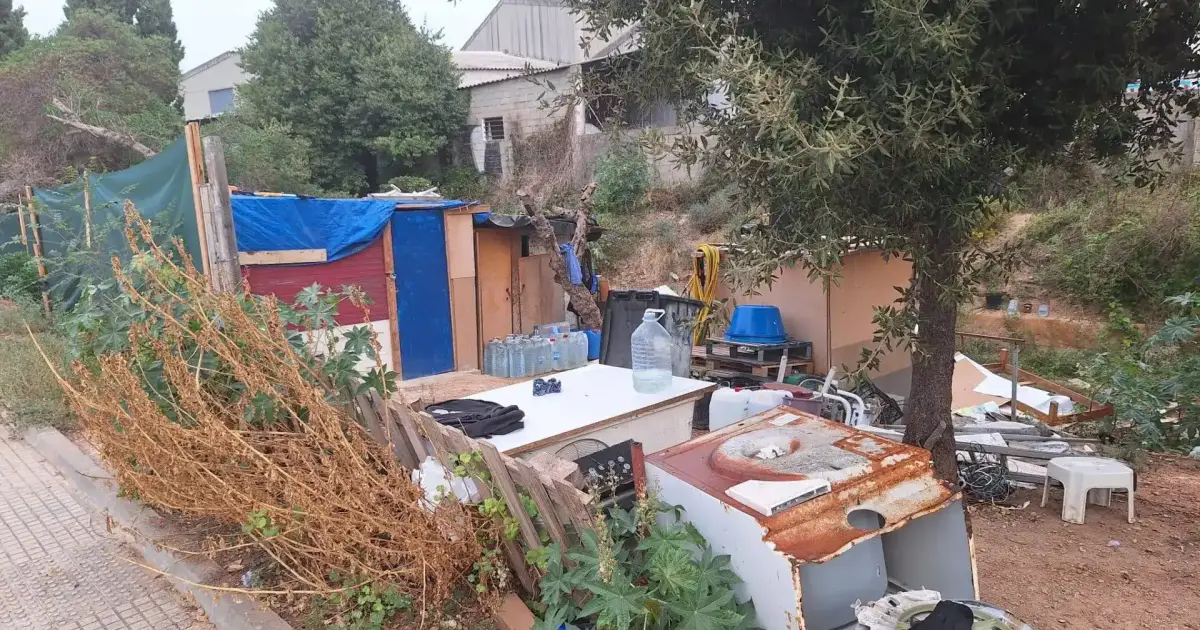
To house the current and future arrivals, Mallorca needs about 100,000 new homes—roughly 6,000 each year. Many newcomers earn around €1,000 a month, while rents are also about €1,000. Without affordable options, there is a risk of shantytowns forming.
Immigration Helps, But…
Immigrants do fill important jobs and help with labor shortages. However, the island still needs a stock of affordable rental apartments and social housing. The big question is: do we want to keep Mallorca a paradise with a high quality of life, or are we heading toward overcrowding?
Tourism: From Solution to Problem
For years, tourism was seen as the answer to economic challenges. Salva now says tourism has become part of the problem. When locals feel crowded and anxious about where they can live, the tourism model loses its appeal.
The Concept of “Residential Anxiety”
Thirty years ago, Salvà introduced the term “residential anxiety” to describe the worry people feel when housing and space become scarce. He first used it in a white paper on tourism, calling for limits on tourist accommodation. After retirement, he stressed that no island government has yet created a clear 20‑year plan that answers: *What kind of Mallorca do we want?*
Conclusion
Pere Salvà’s warnings highlight a simple truth: Mallorca’s beauty depends on balancing growth with livability. The island needs smart policies that provide affordable homes, protect natural resources, and keep tourism from overwhelming residents. Without a clear, long‑term strategy, the risk of overcrowding—and the social tensions it brings—will only grow.
Images Credit: www.majorcadailybulletin.com