

Population Growth Forecast for the Balearic Islands
The Spanish Statistical Office (INE) predicts that the Balearic Islands will gain about 200,000 new residents in the next 15 years. Professor Pere Salvà, a long‑time human geography expert at the University of the Balearic Islands, says these numbers are realistic and even a bit lower than earlier estimates. He warns that without proper planning, this rapid increase could become one of the biggest challenges for the islands.
What the Experts Say
Salva points out that the archipelago already saw a rise of 382,937 inhabitants between 2000 and 2026. Earlier INE projections for 2037 expected a population of 1.4 million, which is now the figure forecast for 2041. In short, the growth trend is steady and credible.
Where the New Residents Come From
- Almost all of the increase comes from immigration.
- Natural growth (births minus deaths) is practically zero; over 95 % of the recent population jump is due to people moving in from abroad.
- About 70 % of newcomers come for work, while roughly 30 % settle permanently, such as retirees from other countries.
Why the Islands Attract Migrants
- Job opportunities are the main draw. The local economy relies on cheap labor for low‑skill and semi‑skilled positions.
- The population is aging: 18 % of residents are over 65, while only 13 % are under 18. This creates a labor shortage that employers fill by hiring workers from outside Spain.
- Immigration from mainland Spain has largely dried up; today most newcomers come from Colombia, Argentina, Morocco, and, to a lesser extent, Germany. Many islanders themselves are children of earlier immigrants.
Challenges Ahead
Housing Pressure
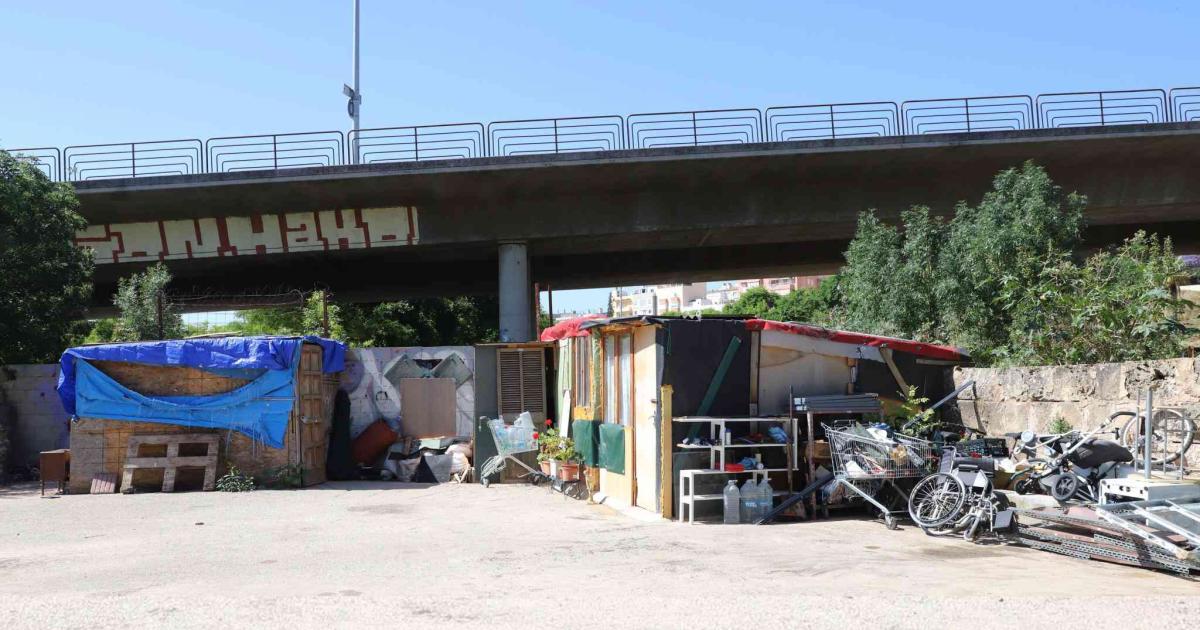
- The islands already need roughly 100,000 apartments to accommodate current and future residents. That translates to about 6,000 new homes per year.
- With average rents around 1,000 euros and many wages similar, people could end up spending their entire income on rent, risking slums and precarious living conditions if no action is taken.
Environment and Traffic
- More people mean higher consumption of water, energy, and waste production.
- Limited space on the islands raises the chance of a territorial emergency: overcrowded roads, increased pollution, and strain on natural habitats.
Possible Benefits
- Immigration helps fill job vacancies that locals cannot fill, keeping businesses running.
- If paired with affordable social housing and sustainable planning, the influx can diversify culture and boost the local economy without sacrificing quality of life.
Looking Forward: What Can Be Done?
Professor Salvà stresses that the current tourism‑driven model is reaching its limits. Tourism alone cannot solve housing or environmental pressures; it may even worsen them. A shift toward:
- Building affordable, energy‑efficient housing (especially social housing).
- Improving public transport to reduce car dependence.
- Promoting sustainable tourism that respects local resources.
- Encouraging balanced economic development beyond low‑wage service jobs.
These steps could turn a potential crisis into an opportunity for a more resilient and livable Balearic Islands.
Final Thoughts
The projected growth of 200,000 people is not just a number—it’s a signal that the islands need smart, inclusive planning today. By addressing housing, environment, and economic diversity now, Mallorca and its neighbors can welcome new residents while preserving the quality of life that makes the Balearics special.
Images Credit: www.mallorcamagazin.com