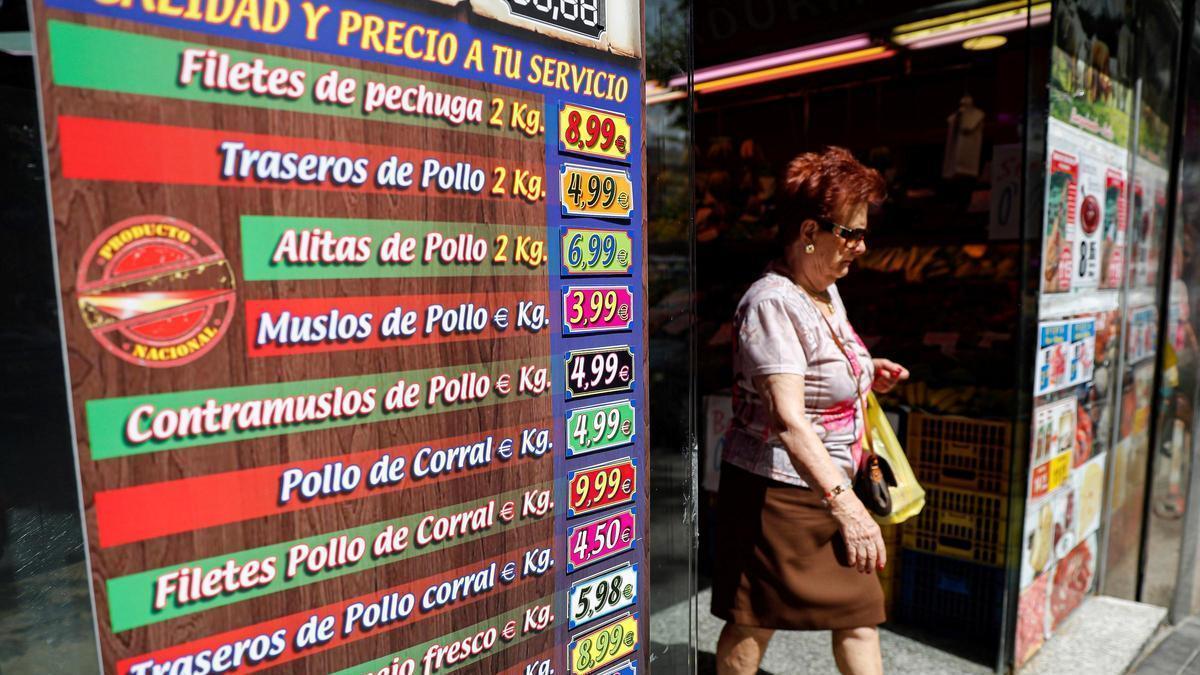


What Is Inflation?
Inflation measures how much prices for goods and services go up over time. When inflation is high, your money buys less than before.
June Numbers Stay the Same
The National Institute of Statistics (INE) reported that inflation stayed at 3.2% in June, the same rate as in May.
Why Did Prices Move?
Energy Costs Went Up
Electricity and gas prices rose, pushing the overall inflation figure upward.
Fuel Prices Went Down
At the same time, the cost of fuel and lubricants for cars dropped, which balanced out the increase from electricity and gas.
Underlying Inflation Drops a Bit
If we exclude the more volatile items like unprocessed food and energy, the underlying inflation rate fell by 0.1 point to 2.9%. This shows that, apart from energy, price pressures are easing slightly.
What This Means for Everyday Life
For teens and families, the steady 3.2% inflation means that the cost of living is not accelerating quickly, but some items—like your electricity bill—are still getting pricier. Lower fuel prices can help offset those costs when you drive or use public transport.
Looking Ahead
Since some government measures tied to the Middle East conflict have ended, future inflation could shift depending on how energy markets behave and whether other costs start to rise or fall.
Conclusion
June’s inflation holding at 3.2% reflects a mix of rising energy costs and falling fuel prices, with underlying inflation edging down to 2.9%. Understanding these movements helps us see where our money is going and what to expect in the months ahead.
Source
Images Credit: www.diariodeibiza.es