

What is the EU’s Digital Sovereignty Plan?
On June 3, the President of the European Commission, Ursula von der Leyen, unveiled a new strategy called “digital sovereignty.” The goal is to make Europe less reliant on technology from other countries, especially the United States, in areas like artificial intelligence (AI) and cloud computing.
Why Does the EU Want More Independence?
Officials worry that political leaders, such as former U.S. President Donald Trump, could use Europe’s dependence on American tech as a way to pressure European governments. Recent events, like Europe being blocked from accessing certain AI models made by the U.S. company Anthropic, have highlighted this risk.
Focus on Cloud Services
Cloud computing is the backbone of the internet. Right now, about 70 % of Europe’s cloud market is controlled by three U.S. giants: Amazon Web Services (AWS), Microsoft Azure, and Google Cloud. Only around 15 % comes from European providers.
How the Plan Rates Cloud Providers
The EU introduced a scoring system called SEAL that runs from 0 to 4:
- 0 – no EU control at all.
- 1 – data stored under European law.
- 2 – data sovereignty guaranteed.
- 3 – protected from supply‑chain disruptions.
- 4 – full EU control of everything, from chips to software.
The idea is to push providers toward higher scores so that European data stays safer from foreign laws like the U.S. CLOUD Act, which lets American authorities request data stored anywhere.
Reactions from the Industry
Some European cloud companies say the rules could actually increase dependence on U.S. firms because few European providers can meet the toughest criteria (levels 3 and 4). Critics argue the plan focuses more on creating “escape routes” for potential U.S. cut‑offs than on truly taking control of big tech.
Boosting AI and Data Centers
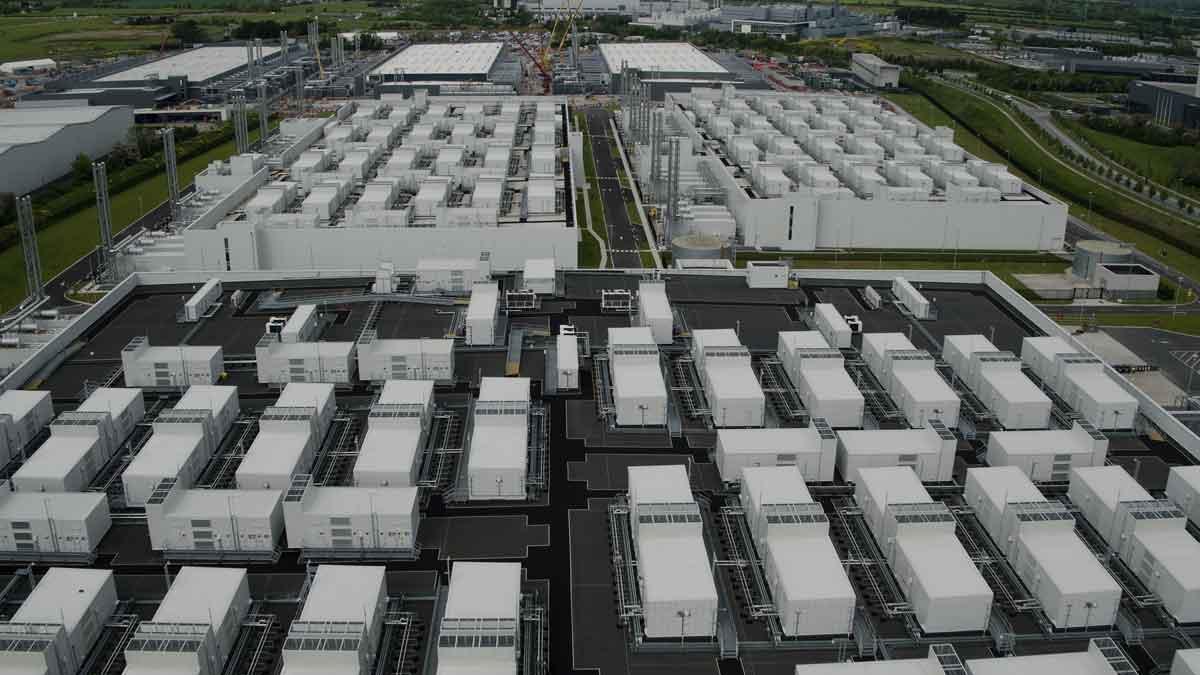
The strategy also pushes Europe to embrace AI as a key economic and security tool. To support this, the Commission wants to triple the continent’s data‑center capacity over the next five to seven years. Member states are asked to create “acceleration zones” where these facilities can be built quickly.
Challenges Ahead
Experts warn that building data centers without a strong European market for computing power could simply lead to renting space to U.S. companies. Moreover, Europe still relies heavily on U.S. (and Chinese) semiconductors and AI models, so full independence is unlikely in the short term.
Environmental Concerns
Data centers consume huge amounts of electricity and can increase pollution. The EU is considering loosening some regulations to speed up construction, but this raises worries about the ecological impact. Some investigations have shown that tech giants have managed to keep details about their data centers’ energy use hidden from the public.
Conclusion
The EU’s digital sovereignty plan is an ambitious attempt to reduce reliance on foreign technology, especially in cloud services and AI. While it sets clear goals and creates a framework for judging providers, it faces criticism for possibly leaving Europe still dependent on American giants and for overlooking environmental effects. Whether the plan will truly give Europe more control—or just create new loopholes—remains to be seen.
Images Credit: www.diariodeibiza.es