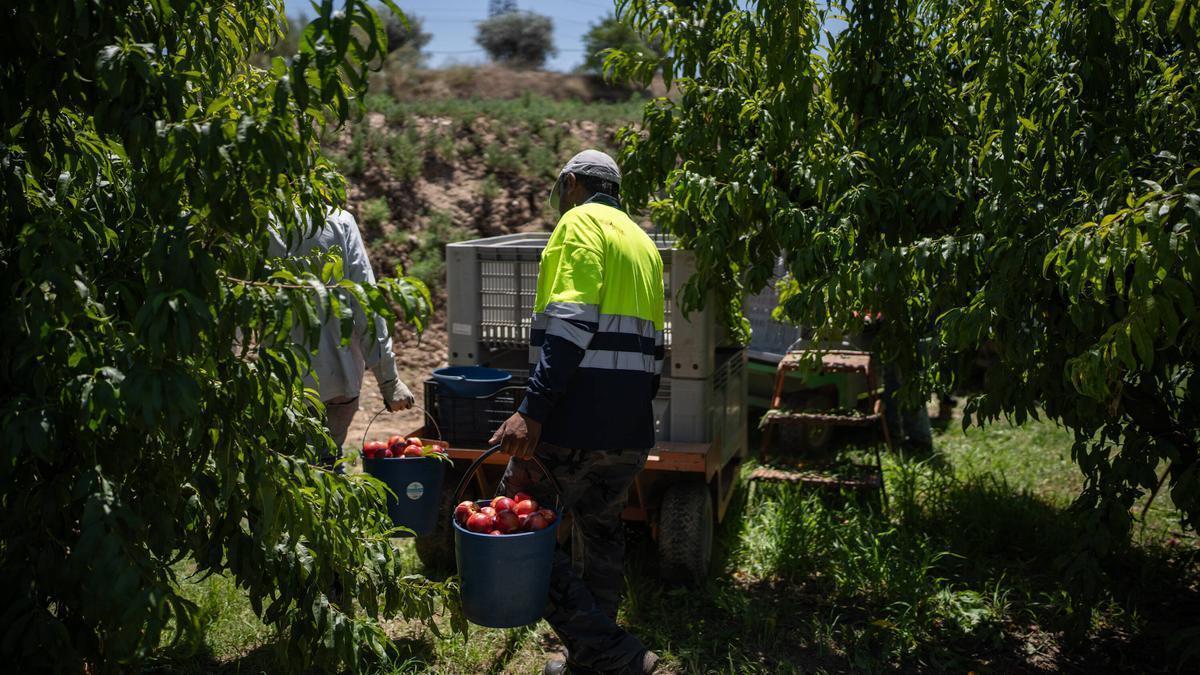


Spain’s Top Court Lets Temp Agencies Hire Workers From Abroad Again
What Happened?
In 2024 the Spanish government introduced a rule that stopped temporary employment companies (known as ETTs) from recruiting workers directly in other countries and bringing them to Spain for short‑term jobs. The rule was meant to protect local labor markets, but it lacked a solid legal basis.
Recently the Supreme Court reviewed that rule and decided it was invalid because the government didn’t provide enough justification or legal backing for the ban.
Why the Ban Was Put in Place
Addressing Labor Shortages
Companies often struggle to fill certain positions—especially in sectors like construction, agriculture, and hospitality—because the jobs may be tough, low‑paid, or require special skills. To solve this, many firms look abroad for workers who are willing to come to Spain for a season.
The “Hire at Source” Model
Under the hire‑at‑source system, an ETT finds candidates in their home country, handles visas, contracts, housing, and travel, and then brings them to Spain for a limited period. After the work ends, the employee returns home.
According to the latest data from the Ministry of Inclusion, Social Security and Migration, this model brought 25,767 foreign workers to Spain in recent years.
What the Supreme Court Decision Means
More Flexibility for Employers
The court’s ruling removes the restriction, allowing ETTs to once again look for talent overseas, manage the paperwork, and provide accommodation. Companies that need seasonal or specialized staff can now rely on agencies to handle the whole process.
Protections Still in Place
Even though the ban is lifted, the usual requirements remain: employers must guarantee proper housing, follow immigration procedures, and ensure workers return to their home countries after the contract ends.
Impact on Different Sectors
Construction
Many building projects depend on workers from abroad who have experience with specific techniques. The ruling helps keep projects on schedule by making it easier to bring in those skilled laborers.
Agriculture and Hospitality
Farms needing extra hands during harvest and hotels preparing for tourist peaks can again turn to ETTs for quick, reliable staffing.
What Teens Should Know
Understanding Labor Rules
Laws that govern how companies hire workers can change quickly based on court decisions. Staying informed helps you understand why some jobs might be filled by people from other countries and what protections exist for those workers.
Future Opportunities
If you’re interested in careers in human resources, international business, or immigration law, this case shows how legal rulings shape the way companies operate across borders.
Conclusion
The Supreme Court’s decision restores the ability of temporary employment agencies in Spain to recruit foreign workers directly from their home countries. While this gives companies more flexibility to fill seasonal and specialized roles, it also keeps the responsibility on employers to provide proper housing, handle legal paperwork, and ensure workers return home after their contracts end. For anyone watching the labor market, the case is a reminder that rules governing work and migration can shift, affecting both businesses and the people who seek jobs abroad.
Images Credit: www.diariodeibiza.es