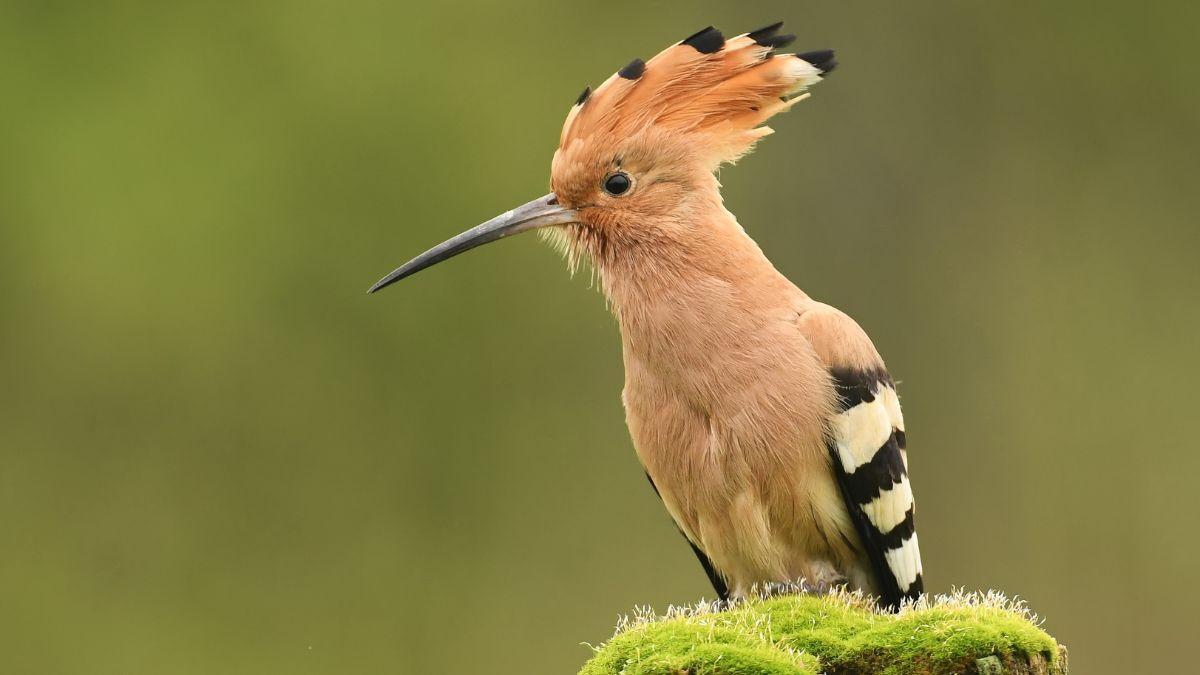


Why a Hoopoe Might Show Up in Your Yard
Seeing a bird with a striking orange‑crowned head, black‑and‑white wings and a long, curved bill can feel like a surprise. The hoopoe (Upupa epops) doesn’t appear by accident; its visit usually tells us something about the environment around your home.
It’s Looking for Food on the Ground
Hoopoes favor open or semi‑open spaces—fields, meadows, gardens with scattered trees, and patches of bare soil. Most of their diet comes from invertebrates they pull out of the earth.
When you notice a hoopoe walking slowly across the lawn, stopping, and jabbing its bill into the dirt, it’s hunting for:
- Insect larvae (especially beetle and moth grubs)
- Crickets, grasshoppers, and other ground‑dwelling bugs
- Sometimes even cicada nymphs in Mediterranean areas
Their long, slim beak works like a tiny shovel, letting them reach prey that’s hidden just beneath the surface.
A Garden Can Be a Temporary Feeding Spot
If your yard has short grass, exposed soil, leaf litter, or low herbaceous plants, it creates the perfect hunting ground for a hoopoe. The bird may return repeatedly as long as those conditions stay favorable.
It Might Be Scouting a Nest Site
Hoopoes nest in cavities—holes in trees, cracks in walls, old buildings, or even burrows in banks. During breeding season, adults make many trips back and forth to feed their chicks.
If you see a hoopoe entering and exiting the same spot several times a day, or carrying food repeatedly to a particular place, it could be using a nearby cavity as a nest. A single sighting isn’t enough to confirm nesting, but repeated behavior is a strong clue.
A Strange Defense Mechanism
Female hoopoes and their chicks produce a smelly secretion from a gland near the tail (the uropygial gland). This odor‑rich liquid, helped by bacteria living in the gland, can deter predators and parasites from the nest. Because of this, it’s best not to disturb a potential nest hole—poking around could provoke the birds or harm the chicks.
What You Can Do If a Hoopoe Visits
Observe from a distance. Avoid chasing, feeding, or trying to catch the bird. To keep your yard welcoming:
- Leave some patches of bare earth or short grass where the hoopoe can forage.
- Limit the use of broad‑spectrum insecticides; they reduce the insect prey the hoopoe needs.
- If you suspect a nest, give the birds space and watch quietly.
By maintaining a bit of natural, undisturbed ground, you support not only hoopoes but many other small creatures that rely on the same habitat.
Conclusion
A hoopoe appearing in your garden isn’t random—it’s a sign that the area offers food, possibly a nesting site, or both. Watching what the bird does can teach you a lot about the hidden life in your own backyard. The next time you spot that flash of orange and hear its soft “hoo‑poo” call, take a moment to appreciate the tiny ecological story unfolding right under your feet.
Source: ExpertoAnimal
Images Credit: expertoanimal.elperiodico.com