

What Happened with the Cable Theft in Ciudad Real?
The Trouble on the Railway
In the area between Malagón and Ciudad Real, thieves stole copper cables that are essential for the train signaling system. Without these cables, the signals that tell trains when to stop or go can’t work properly.
Why This Matters for Travelers
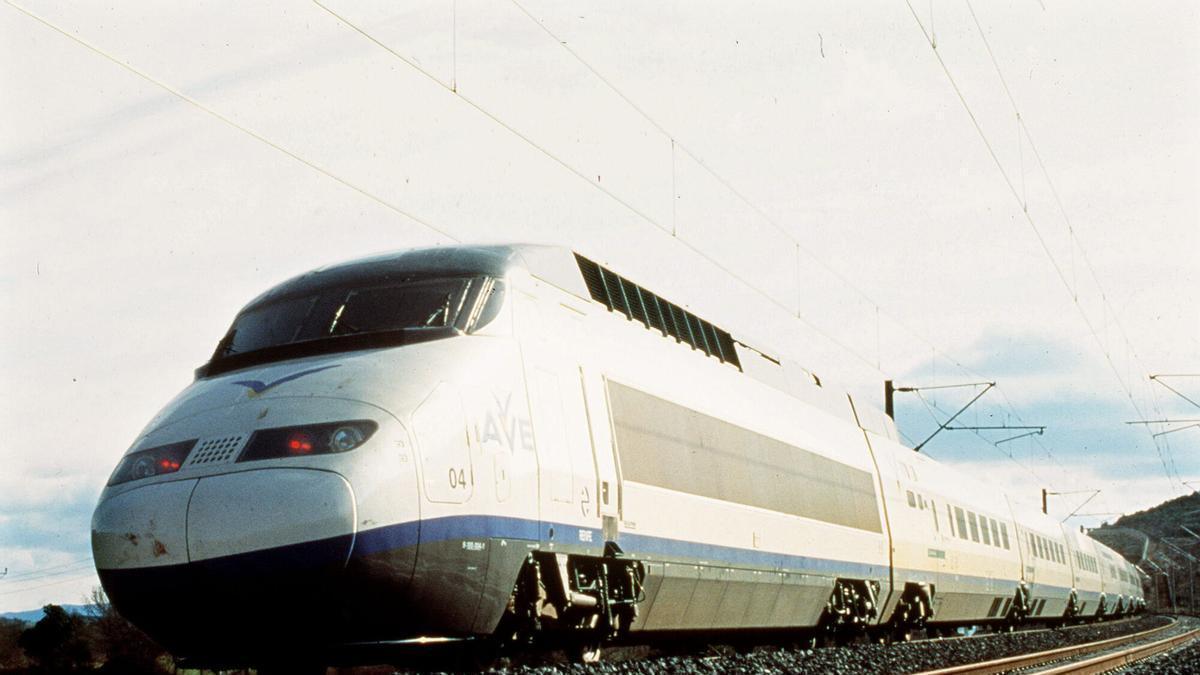
The high‑speed line that connects Madrid with Andalusia runs through this section. When the signaling fails, trains have to slow down or wait, which creates delays. According to the latest reports, many trains are running about 25 minutes late.
What Adif Is Doing
Adif, the organization that manages Spain’s railway infrastructure, has sent its technical teams to the site. They are:
- Locating the damaged sections of track.
- Repairing or replacing the stolen cables.
- Testing the signaling system to make sure it works again.
Their goal is to restore normal service as quickly as possible.
How This Affects You
If you’re planning to travel on the Madrid‑Andalusia high‑speed train, you might experience:
- Longer waiting times at stations.
- Possible changes to departure or arrival times.
- Announcements from train staff about the delay.
Keeping an eye on real‑time updates from the railway operator or using a travel app can help you stay informed.
Looking Ahead
While repairs are underway, authorities are also discussing ways to prevent future cable thefts, such as increased patrols and better security measures along the tracks. The hope is that incidents like this become rarer, keeping trains running on time for everyone.
Conclusion
The cable theft in Ciudad Real has disrupted signaling on a key high‑speed rail corridor, causing roughly 25‑minute delays. Adif’s crews are working hard to fix the damage, and travelers should check for updates before their trips. With improved security, the railway aims to avoid similar problems in the future.
Images Credit: www.diariodeibiza.es