

First Day of the 2026 World Cup: Surprises, Stars and New Heroes
Europe and South America Lose Their Edge
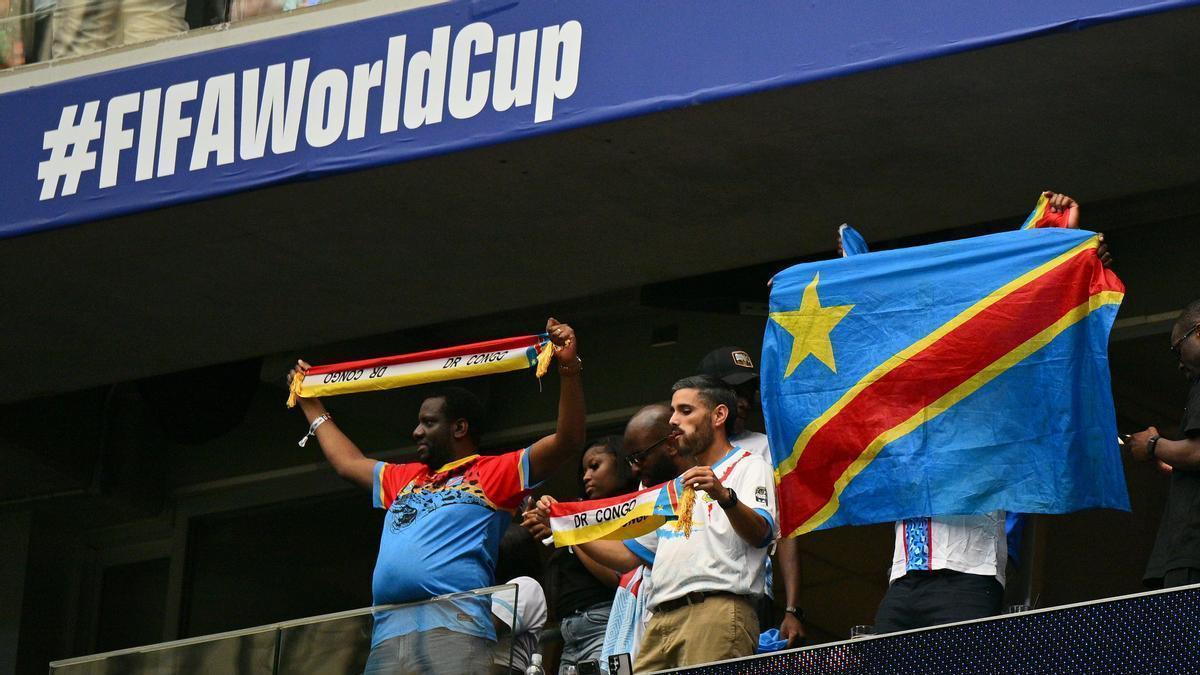
The opening matches showed that the traditional powerhouses are no longer automatic winners. Germany finally got a win, but only against Curaçao, a team many considered an underdog. The Netherlands, Spain, Portugal and Belgium all settled for draws against Japan, Cape Verde, Congo and Egypt respectively. In South America, Brazil could not break through in its debut, Ecuador fell to Ivory Coast and Uruguay needed a late goal to tie Saudi Arabia. The only bright spots came from Argentina, powered by Lionel Messi’s hat‑trick, and Colombia, which defeated Uzbekistan comfortably.
Asia and Africa Step Up
Teams from Asia and Africa displayed a more aggressive, attractive style of play. Japan held the Netherlands to a draw, while North Korea shocked the Czechs with a win. Saudi Arabia pushed Uruguay to the limit, Qatar held Switzerland to a tie, and Iran almost snatched a victory against New Zealand. Australia, competing under the Asian banner, defeated Turkey, signalling a clear step forward for the continent. On the African side, Ivory Coast toppled Ecuador, Ghana overcame Panama, Morocco held Brazil to a draw, Egypt frustrated Belgium, Senegal challenged France until Kylian Mbappé changed the game, and Algeria forced Argentina to rely on Messi’s brilliance to avoid defeat.
Stars Light Up the Tournament
The first day featured several marquee names making an impact. Lionel Messi, at 38, scored a hat‑trick that matched Miroslav Klose’s World‑Cup record and lifted Argentina’s title chances. Enzo Fernández summed up the feeling by calling Messi “the GOAT.” Erling Haaland marked his World‑Cup debut with two goals, leading Norway to a win over Iraq after a 32‑year absence. Kylian Mbappé’s brace rescued France against Senegal, Harry Kane’s double gave England the edge over Croatia, and Jude Bellingham added another goal for the Three Lions. Kai Havertz netted twice for Germany, while Vinícius Júnior scored Brazil’s only goal versus Morocco. Cristiano Ronaldo struggled with Portugal’s lackluster performance, and Spain’s young talent Lamine Yamal is already being talked about as a future star.
Unexpected Heroes Emerge
Beyond the big names, several lesser‑known players became instant sensations. Cape Verdean goalkeeper Voice, a 40‑year‑old who works as an electrician, painter and beach monitor when not playing, kept a clean sheet against Spain and saw his Instagram following explode from 50 k to 7 million in a day. Saudi keeper Mohammed Alowais, 34, used strobe‑glass training to sharpen his reflexes and helped secure the draw with Uruguay. Iraqi forward Aymen Hussein, who endured the loss of his father to Al‑Qaeda and the kidnapping of his brother by ISIS, scored Iraq’s first World‑Cup goal in 40 years against Jordan. Jordan’s Ali Olwan netted his nation’s inaugural World‑Cup goal, and New Zealand’s Elijah Just, a product of the “Olé Football Academy” inspired by Spanish coaching, became his team’s top scorer.
Conclusion
Day one of the 2026 World Cup has already reshaped expectations. The old guard from Europe and South America showed vulnerability, while Asian and African squads brought fresh energy and tactical creativity. Superstars like Messi, Haaland and Mbappé reminded everyone why they are considered the best, yet the tournament also highlighted inspiring stories of goalkeepers, forwards and midfielders who rose from humble beginnings to become national heroes. If these trends continue, fans can look forward to a more open, unpredictable competition where any team has a chance to shine.
Images Credit: www.diariodeibiza.es